Shadow AI: Blind spots in video surveillance
Unregulated routing of live security video feeds and investigative imagery to unauthorized public AI models creates a serious unmonitored data leakage vector for enterprise security operations centers.
Information technology leaders are struggling to keep up with the rapid expansion of “shadow AI” within their organizations. Shadow AI is the use of artificial intelligence tools by employees without the approval or knowledge of a company’s AI compliance committee. This operational risk represents a growing governance gap across the enterprise organization.
While the topic of artificial intelligence is the main focus of discussion in corporate boardrooms and business transformation back hallways, there is a quieter threat being analyzed by IT security teams. Their enthusiasm for AI-powered software has outpaced corporate governance, exposing organizations to potential data vulnerabilities.
The core risks are clear. Sensitive information can leave a company’s controlled environment, exposing data and the organization to considerable risk. Employees may upload company documents to ChatGPT without authorization. Administrators could input sensitive customer data into unauthorized AI tools. This is the entry point where data exits a company’s controlled environment.
In May 2026, a community bank disclosed a security incident centered around the use of a rogue AI application. Personal customer information, including names, dates of birth and Social Security numbers, was compromised through unauthorized AI tools, according to regulatory filings. From an outside perspective, the damage to the organization was the same as that caused by a cyberattack. But the threat came from within.
Combining physical security and IT security
To understand why this blind spot has grown, executives must examine the evolution of the security space. Security professionals are tasked with protecting an organization across its physical and digital architecture. The security industry has been discussing the convergence of physical and IT security as a strategic framework for many years. The framework is outlined by the National Institute of Standards and Technology, the Cybersecurity and Infrastructure Security Agency, and ASIS International.
For physical security professionals, convergence means more than upgrading video surveillance systems, intrusion detection systems, and physical access control systems as a layered security practice. Convergence also requires full integration of physical and technical frameworks and standard operating policies. Silos between physical security and information technology create operational gaps and create an environment where shadow AI tools go completely undetected.
Blind spots in security operations
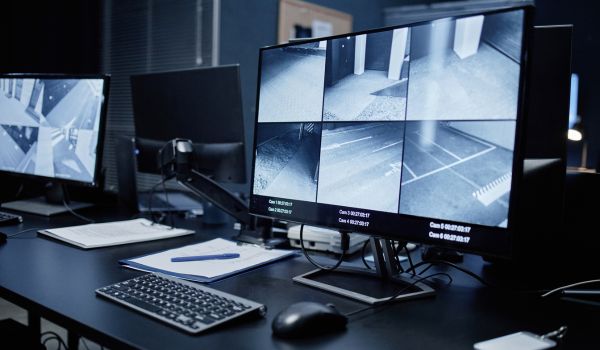
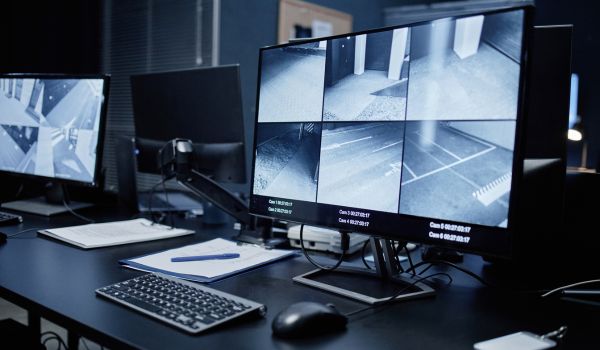
Inside our state-of-the-art security operations center, operators have access to live and recorded surveillance video and real-time security monitoring, intelligence gathering, and investigations. However, this access presents potential blind spots when combined with unauthorized tools.