

For nearly a century, America’s greatest export was not military technology or trade deals, but Hollywood stories. For decades, Tinseltown has exported lifestyles, values, and the “American Dream” directly into living rooms around the world. But in the hyper-fast age of generative AI, the cultural center is shifting away from Los Angeles soundstages. A new frontier of global soft power?It sits within the default creative software stack built by Chinese tech giants.
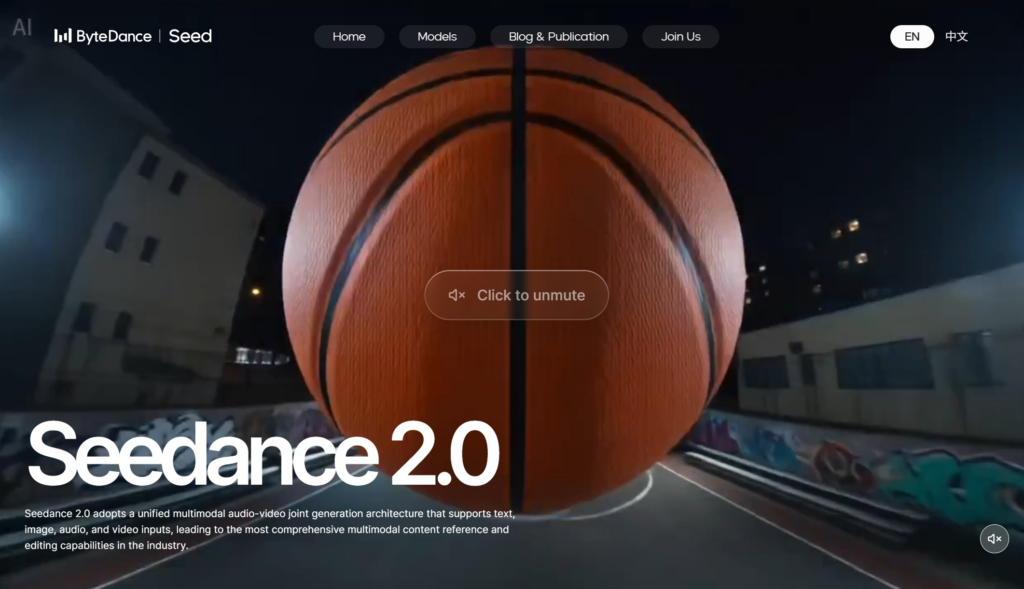
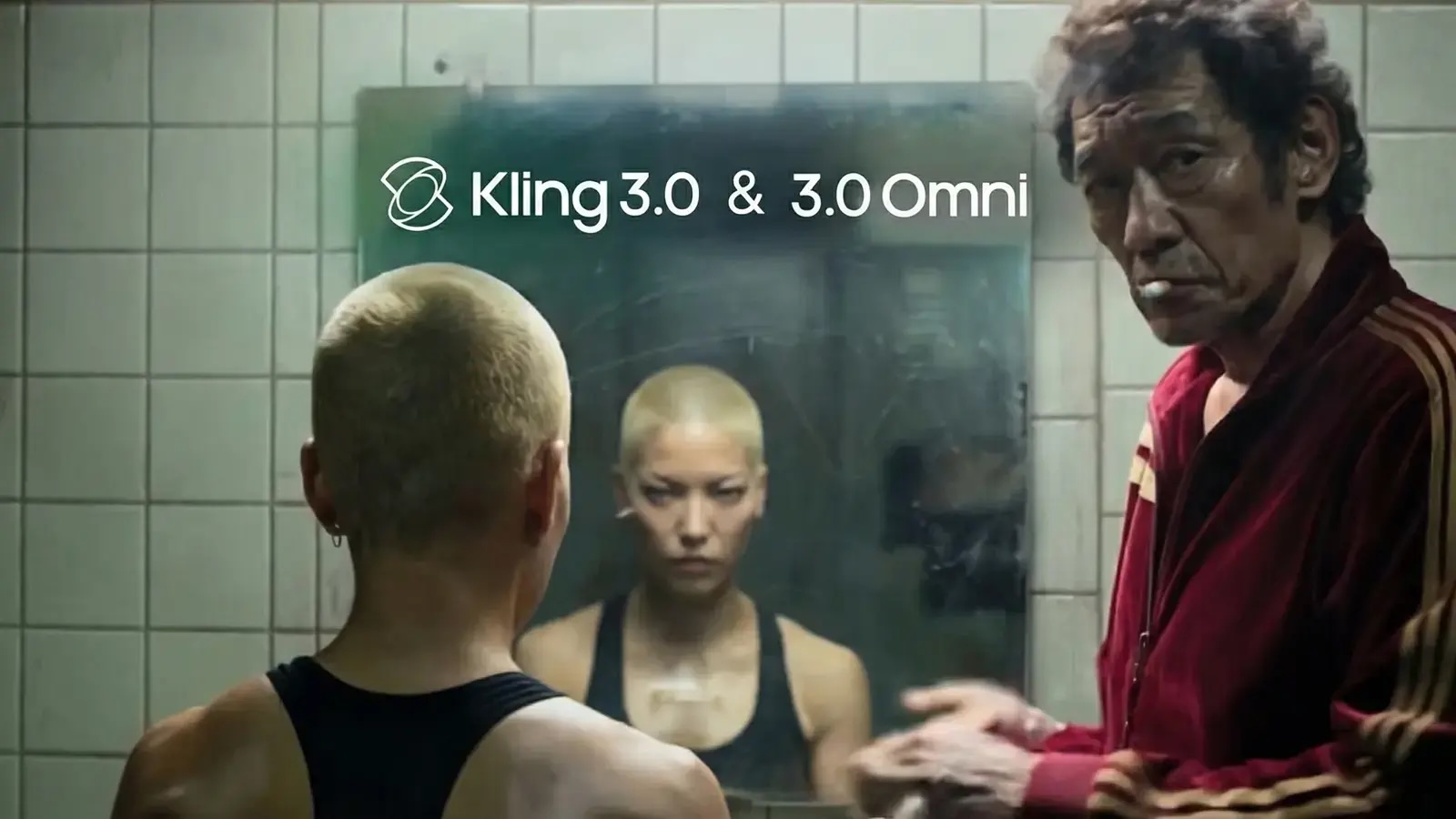
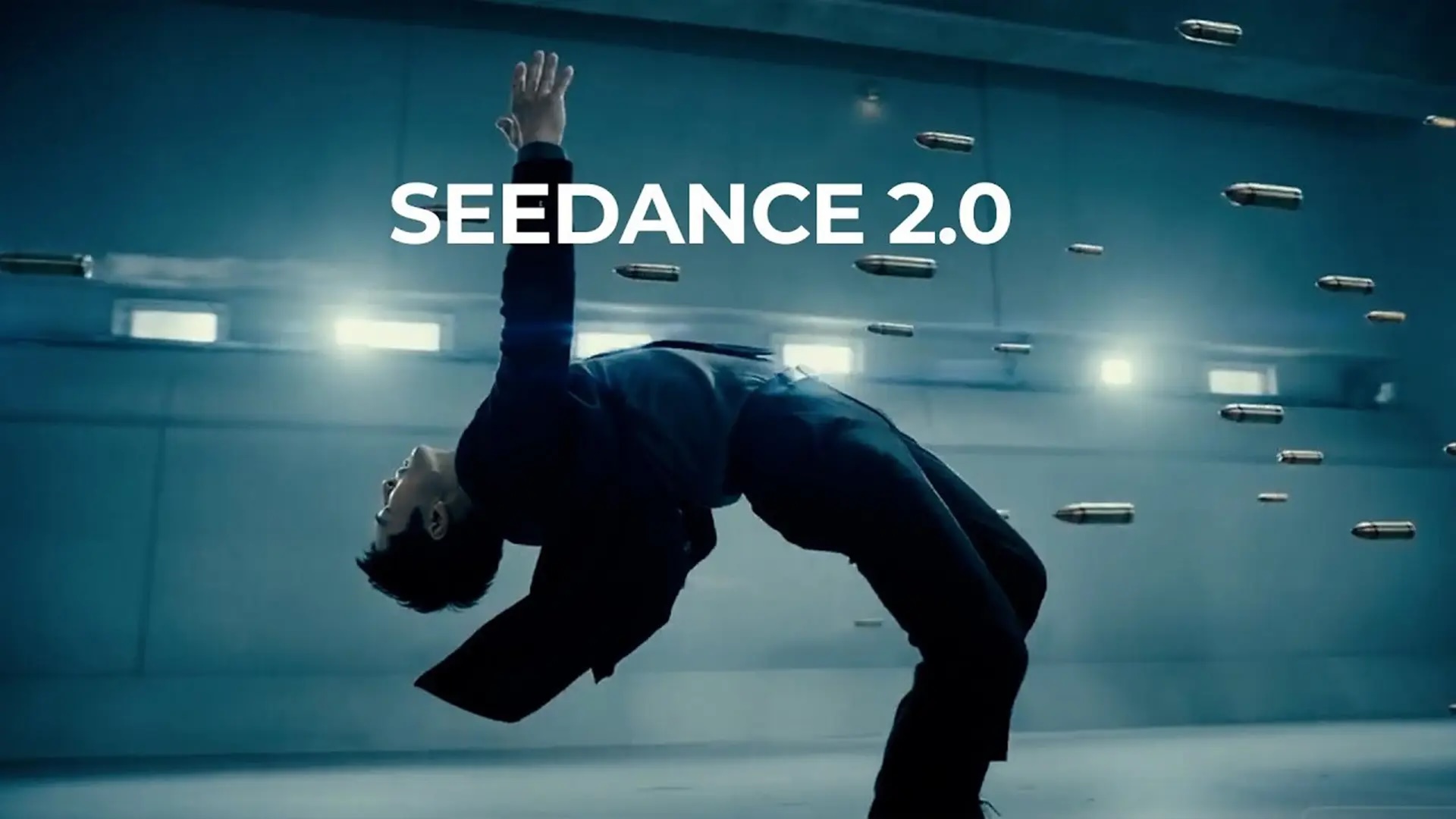
If you haven’t been paying attention to the AI video space lately, things have completely flipped. Remember OpenAI’s long-awaited Sora? It was officially shut down in March 2026. Meanwhile, China’s AI ecosystem has stepped on the gas. We’re no longer talking about some neat little gimmick that turns text into video. Models like Kuaishou’s Kling 3.0, Shengshu’s Vidu, and ByteDance’s Seedance 2.0 are now the definitive worldbuilding engines.
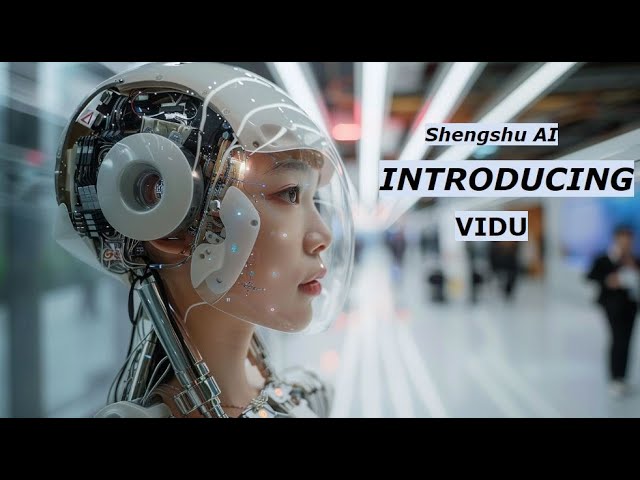
While these platforms are often seen as cool toys for niche creators, they are also multimodal powerhouses capable of producing 60+ seconds of cinematic scenes in native 4K, maintaining wild character consistency across complex cuts, and integrating 48kHz audio, all from one easy-to-use interface. For example, Vidu posts shocking videos within about 10 seconds. Kling 3.0 gives creators pixel-level motion brush control, making indie filmmakers feel like big-budget directors. But the reason this is a geopolitical earthquake is because of its accessibility.
Hollywood’s historic “moat” relied on huge budgets and exclusive distribution networks. Generative AI erases that. But while Western AI tools have traditionally locked users behind expensive paywalls and geographic blocks, the Chinese model is playing a different game. We attract Global South and indie creators from around the world by offering aggressive pricing, free tier access, and open source variants. Why pay a hefty subscription fee when Kling or Vidu can create sequences that cost a million bucks in change?
The strategic implications are deep. Video is the ultimate universal language. It bypasses reading and writing barriers and connects directly to the dopamine receptors of Generation Z around the world. As the most accessible and powerful tools for creating these videos become Chinese-made, the infrastructure underlying global storytelling will be replaced.
However, this change does not only mean the democratization of art. It also has to do with controlling the narrative. These platforms unlock incredible creative potential, but they are also embedded in broader state-backed technology strategies. Researchers note that many major Chinese AI systems have built-in guardrails, directives designed to keep content aligned with specific ideological lines.
When millions of global creators, from digital artists in Brazil to independent directors in Nigeria, default to Alibaba’s open-source video model and Kuaishou’s web platform, they are operating within a new digital paradigm. Even if you’re just making hyper-stylized anime edits or futuristic fashion reels, the underlying technology pipeline is no longer Western.
Hollywood won’t disappear overnight, but its status as the default stage of the global imagination is officially threatened. Future stories will not be controlled by a few studio executives in California. It will be produced, rendered, and distributed by millions of decentralized creators, leveraging an AI supply chain built by China.
For young people around the world, the message is clear. The means of production have been radically democratized. But as we step into this new era of “cinematic sovereignty,” the real question is: Who is actually in control of the prompt? If you’re really confused when it comes to AI-generated videos, here’s just one of the many AI short films that are changing the entertainment industry for better or worse.
Cover image from Facebook/Xiaoping Lee.


