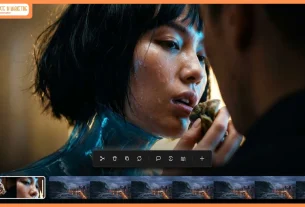
The BBC World Service program Witness History will present five animated videos adapted from recent episodes created using generative AI technology. This is a first for the BBC World Service as it explores new ways to bring journalism to audiences around the world.
The first animated episode, ‘The World’s First Labradoodle’, is now available to watch on the BBC World Service’s YouTube channel. This is followed by an animated version of Brazil’s biggest bank robbery. Ramesses II’s “mummy transformation.” Discovery of Lord Sipan in Peru. He was arrested for playing soccer in Brazil.
This project aims to expand the scope of Witness to History by transforming its acclaimed audio storytelling into a captivating visual experience.
Fred Darman, Head of Business Development, BBC World Service, said: “This exciting project will use generative AI to give original programming a second life, allowing us to reach new audiences like never before.”
Anna Doble, Digital Editor, BBC World Service, said: “We are exploring the use of AI technology to bring these fascinating audio stories from Witness history to life in visual format. We look forward to hearing how new audiences respond to this new approach.”
Guang Jin Yeo, animator at 1UpMedia, added: “By carefully adapting these Witness historical stories to video, we have created an animation to accompany the audio that doesn’t take away from the depth and care that characterizes the programme. By using generative AI, we can unlock the BBC World Service’s extraordinary narrative audio archive for a visual audience that has never watched it before.”
The first animation, Witness History: The World’s First Labradoodle, is now available to watch on the BBC World Service’s YouTube channel.
You can also listen to Witness History as a podcast on BBC World Service English weekdays and on BBC Sounds or wherever you get your BBC podcasts.
E.S.