What’s the story?
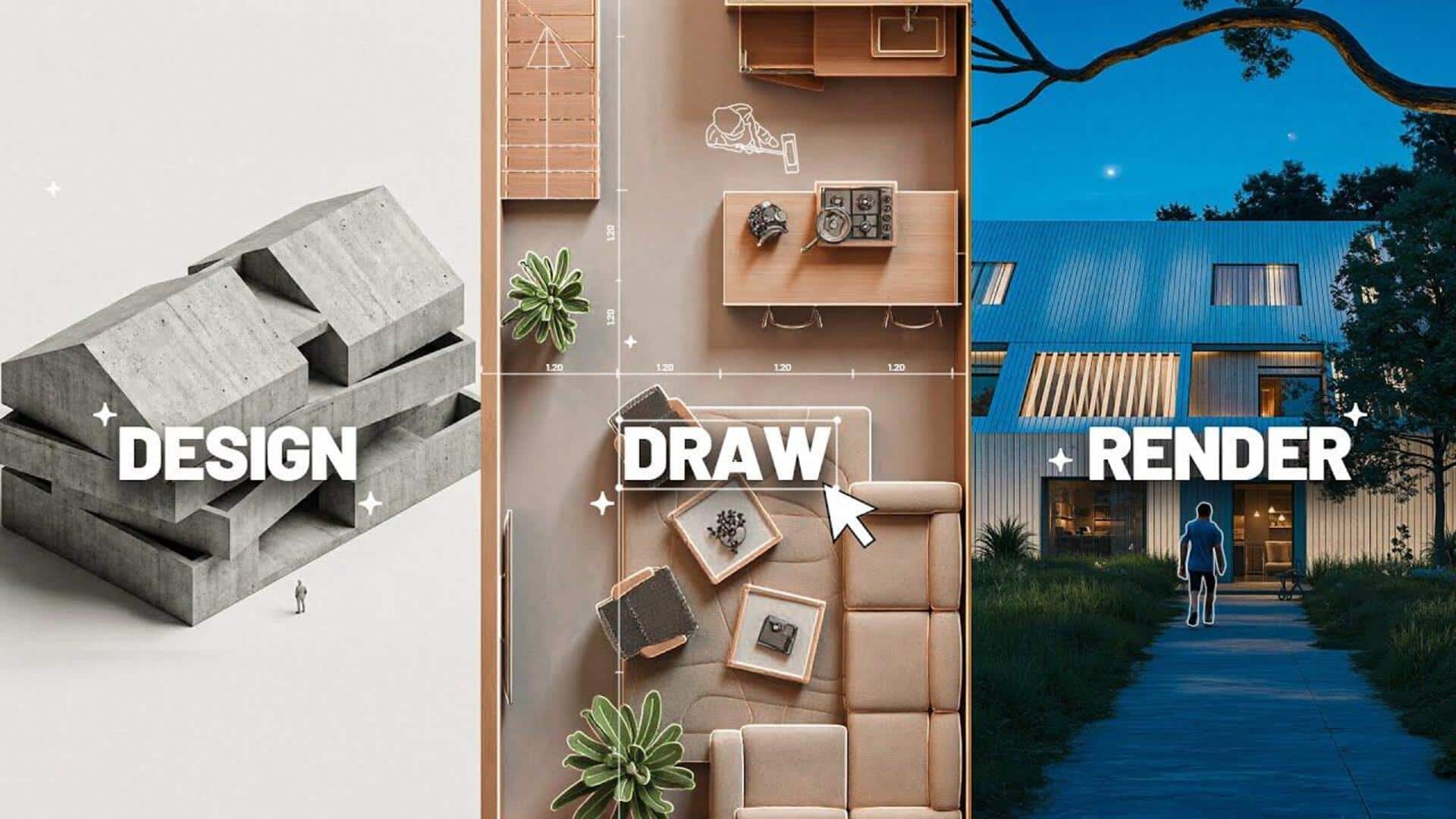
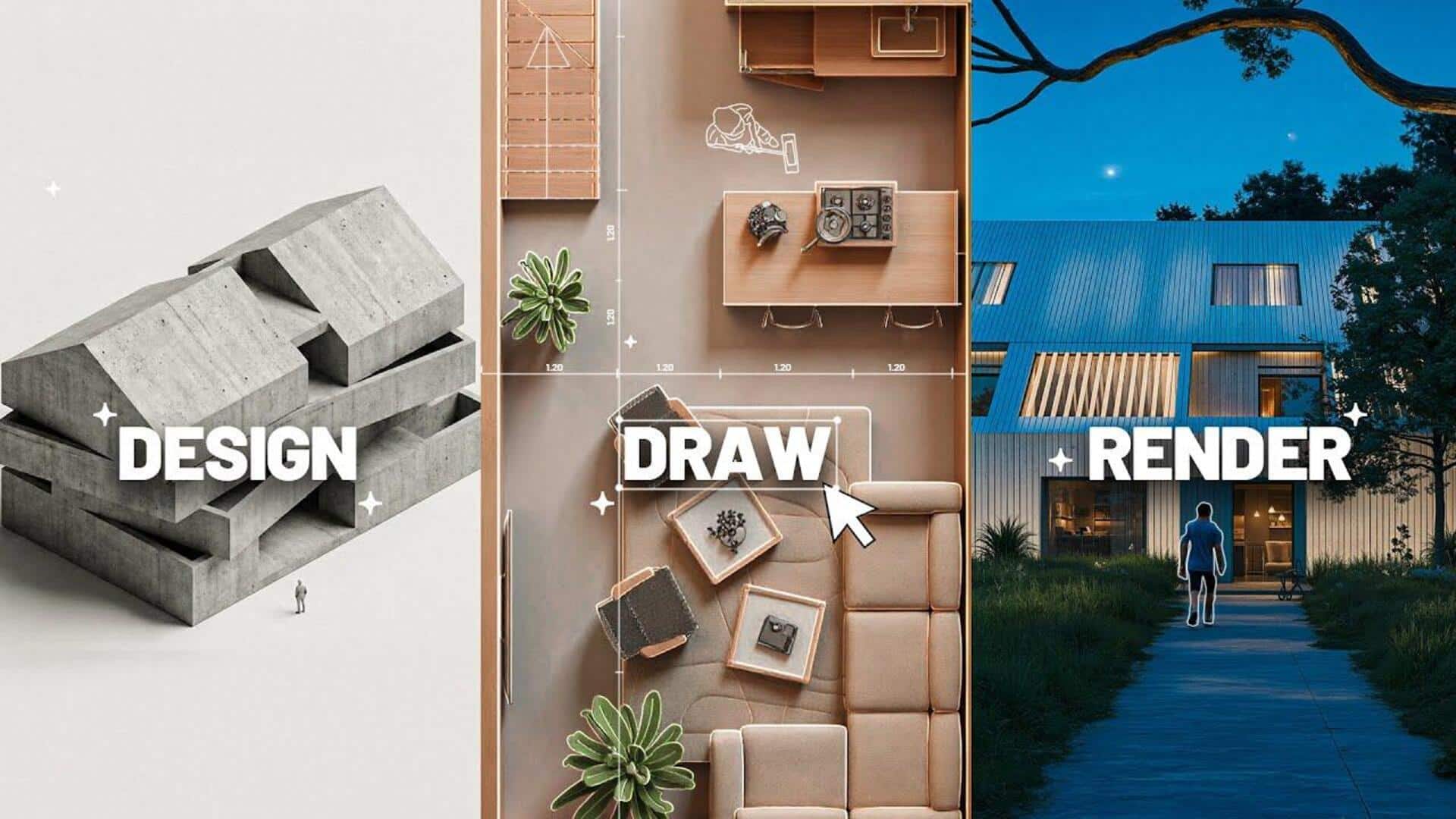
Artificial intelligence is revolutionizing architecture by streamlining workflows, increasing creativity, and optimizing project outcomes from concept to construction. In 2026, architects will be able to generate design alternatives, create photorealistic renderings in minutes, and ensure regulatory compliance, all thanks to AI tools. This reduces traditional schedules by 60-80% in the initial stages. These advances not only streamline your work, but also facilitate richer client discussions and more sustainable project outcomes.
Early stage concept generation
AI tools like Archistar help architects find viable sites and generate hundreds of concept designs for rough terrain. Ark Design AI generates schematic floor plans that are optimized based on space utilization and energy efficiency. These platforms move design considerations from a few options to dozens of iterations, opening up space for richer discussions and more informed decisions with clients.
Building Information Modeling (BIM)
In building information modeling, AI automates the generation and simulation of 3D models. Tools like Archicad AI Visualizer utilize text prompts to create early 3D visualizations within the software. For rendering, Archfine AI transforms sketches and basic models into detailed interiors and exteriors in seconds. This allows you to quickly validate your ideas while avoiding the need for large amounts of hardware.
Enhanced architecture visualization
Architectural visualization benefits from AI like Rayon, Midjourney, and D5 Render to generate high-quality concepts in no time. Snaptrude and Finch 3D support schematic design and modeling, and emerging agent AI systems automate multi-step workflows such as code-compliant drafts. All these advances speed up visualization without compromising quality.
Beyond design: construction planning and analysis
As highlighted in Gensler’s 2026 Design Forecast, AI goes beyond design to help with construction planning, energy analysis, and regulatory checks, serving as a creative partner for resilient urban spaces. Research shows that 11% of companies are now incorporating AI into their processes, with adoption rates increasing by 20% year over year. While traditional methods are still needed to create accurate construction documents, these tools allow professionals to deliver sustainable projects faster than ever before.