keystone
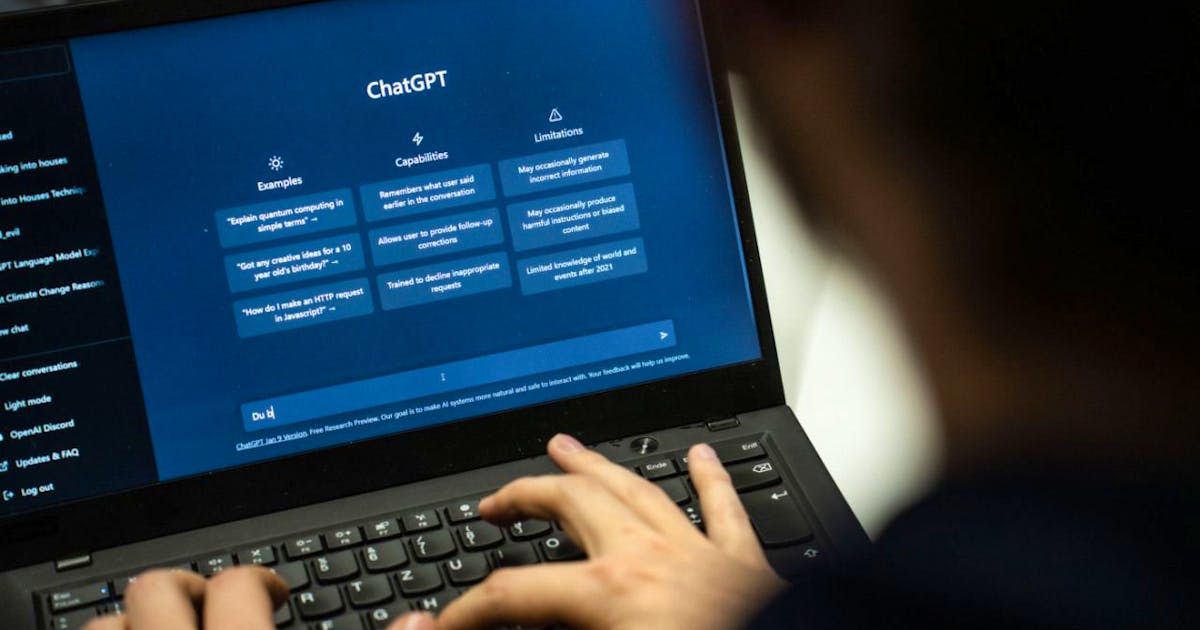
Currently, 76% of the adult population in Switzerland uses artificial intelligence tools in their daily lives. A year ago, that number was just 62.4%, according to a Comparis study released Thursday.
Research shows that young people, educated people with higher incomes, and French speakers are especially likely to use artificial intelligence (AI). According to the survey, the usage rate for people aged 18 to 35 was 90.1%, and the usage rate for people 56 and older was 52.1%.
There are also significant differences in terms of education level, with 82.5% of the more educated using these tools compared to 69.4% of the less educated. According to the study, the differences between high-income and low-income groups are equally clear. Additionally, 81.6% of French-speaking Switzerland users use AI tools, compared to 74.1% of German-speaking Switzerland.
Internet search at the top
AI is most commonly used when searching the internet rather than traditional search engines at 41.6%. This is followed by applications in daily work. For example, 31.4% of applications are in text creation and 26.9% are in e-commerce.
Research shows that written communication using chatbots is growing in popularity. 61.9% said this was an attractive option.
However, respondents were skeptical about providing personal data. This is especially true for information regarding health issues. 55.5% believe they would never entrust their mental health issues to a chatbot, and 52.5% believe there is a limit to the amount of personal data a chatbot can request as a health coach.
The representative survey was carried out in March 2026 by market research agency Innofact on behalf of Comparis among 1,035 people from all regions of Switzerland.