00:00 Speaker A
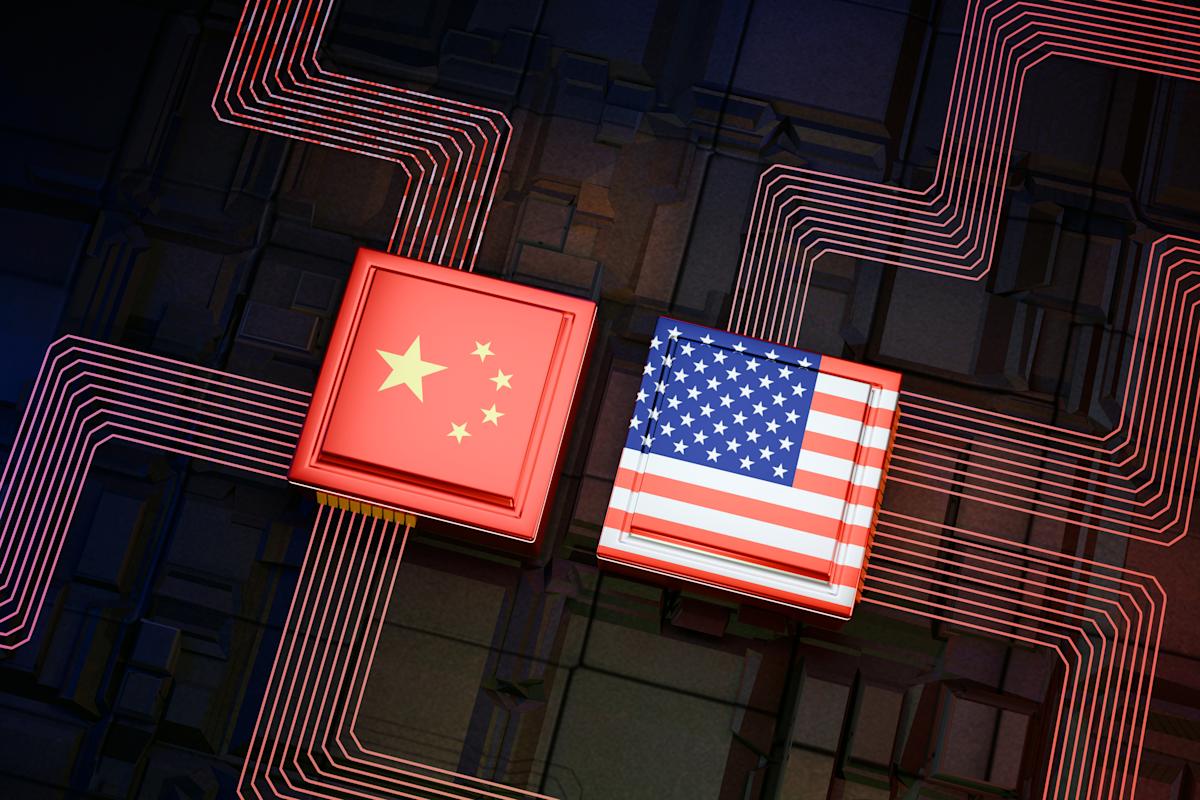
If the United States is going to allow H200 sales to China, Chris, what are the risks that that decision will somehow, um, serve China’s military AI ambitions?
00:19 chris
What we know from open sources is that China has already repeatedly used U.S.-made AI chips for military purposes. There is great research being done on this. We know they’re asking for more AI chips. But I think it’s not just about which specific chips are going to the military that matters, it’s about the overall strength of the ecosystem. That’s what ultimately drives long-term technological progress. So anything that we can do to help foster China’s AI companies, to help build China’s AI infrastructure, is going to fuel that ecosystem and make it a stronger competitor in the long run.
01:03 Speaker A
Big question, Chris, I get asked all the time: Who’s leading in this AI race, uh, America or China? Chris, how do you answer that? And how has that evolved? Well, how is it different than if I had asked you that six months ago or 12 months ago?
01:25 chris
I think if you look at the AI models themselves, you’ll see that American companies may have some lead, but it’s a small lead. China is right behind us. Measure it and you’ll see the difference between Deep Seek and Open AI, or Alibaba’s Quinn and humanity. There isn’t much of a margin and the rate of progress in the race is truly insane. So when it comes to the model itself, I don’t think the US has that strong of a lead at all. It’s actually at the chip level, the ability to put a lot of chips into a state-of-the-art data center. That’s where the United States and its friends, all of Taiwan, are really in charge. That’s why there is so much focus in the US on not squandering this lead and instead using it to support the next generation of US talk farms.
02:22 Speaker A
Finally, Chris, I’d like to take this back to the United States: There’s clearly a lot of interest on both sides of the political spectrum for us to really ramp up domestic chip manufacturing and become more chip independent. How do you evaluate the progress we’re making there?
02:45 chris
There have been a number of very significant investments made by American companies and foreign companies in the United States, such as Taiwan and South Korea, and U.S. demand for chips is increasing in parallel with these investments. In this way, we are making little progress, but there is a long way to go. And right now, when it comes to cutting-edge AI chips, they are disproportionately manufactured in Taiwan and South Korea.