Gallup research reveals that while Gen Z may be changing that dynamic, the majority of Americans remain loyal to doctors and other medical professionals over AI tools
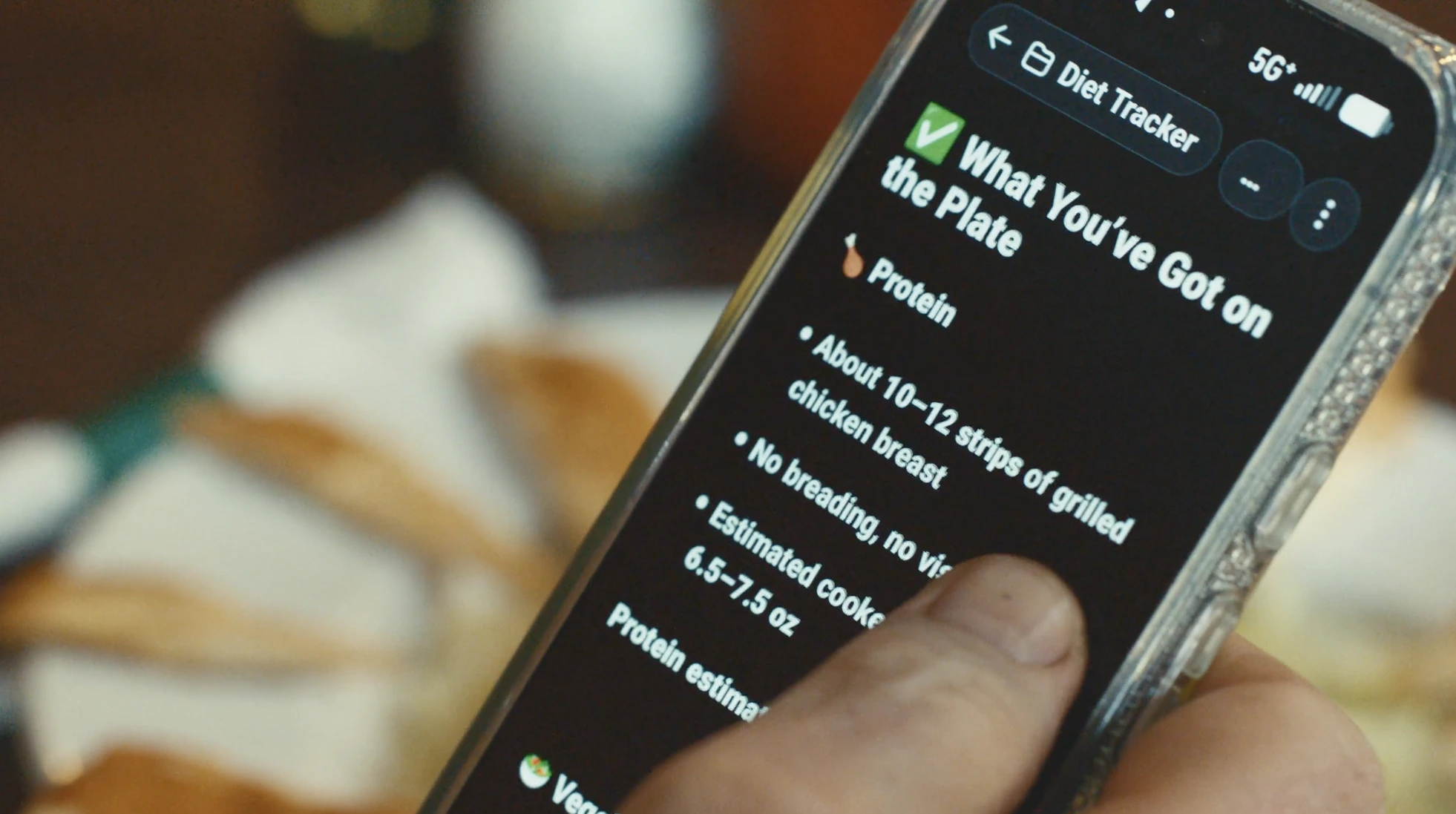
Artificial intelligence (AI) is now an integral part of many people’s daily lives, with more and more people using chatbots on a regular basis to streamline their work, quickly get information on a topic, and even seek medical advice.
But despite the prevalence of AI, people are generally skeptical of chatbots when it comes to health, according to a November web poll by Gallup.
Nearly three-quarters (73%) of U.S. adults say they still rely on doctors and other health professionals at their regular clinics for medical information and advice.
In fact, a survey of nearly 80,000 people found that AI is the last resort for medical expertise.
More than half of Americans (53%) report using medical websites associated with established medical institutions, such as well-known hospitals and government health agencies, 33% say they seek medical information from friends and family who are medical professionals, followed by 30% who say they rely on medical professionals at walk-in clinics and emergency rooms.
Next up in the hierarchy for medical advice are friends and family without medical training, with 20% of Americans relying on medical websites that are not affiliated with major hospitals or the U.S. government.
And it seems that print has not yet become obsolete. 17% of Americans say they seek insights from books, followed by AI or social media at 16% each.
Based on this research, while AI still plays a minimal role in seeking medical advice, it is clear that technology is intertwined with medical practice as people often engage in self-directed online research.
And while the broader American public is reluctant to view AI as a reputable medical profession, the results look different when broken down by generation, with younger people more likely to accept artificial intelligence.
Wiingy’s global report on how Gen Z engages with AI reveals that younger generations are increasingly integrating the use of AI with their health, with 68% of Gen Z using AI to track their mood and 63% trusting AI more than humans for mental health support.
AI companies and wellness brands alike are noting the upward trend.
ChatGPT Health debuted earlier this year. This allows users to connect their medical records and wellness apps (such as Apple Health, Function and Weight Watchers) to unify data and better inform healthcare conversations.