From wildfire triage to refugee vaccination apps, AI Technologies is rapidly reshaping how the world delivers care when it delivers crisis, speed, scale and smarter decisions.
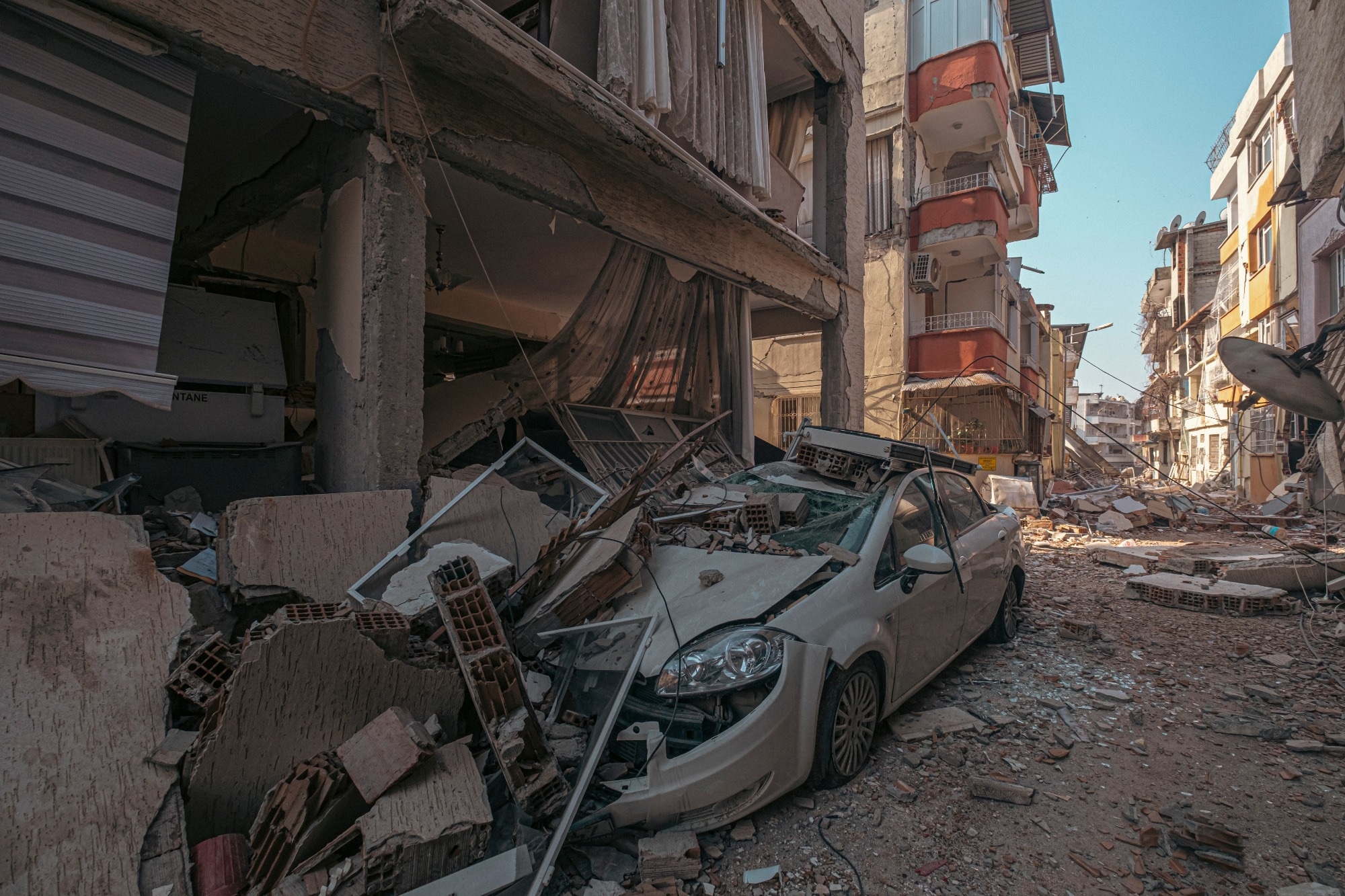 Research: AI in humanitarian healthcare: a game changer for crisis response. Image credit: stockvideo24/shutterstock.com
Artificial Intelligence (AI) is an innovative blend of computing technologies that can transform humanitarian healthcare by developing new solutions for the crisis. Recent reviews of Frontier of artificial intelligence We look at the scope of AI-assisted healthcare crisis responses and show how they can become resilient and efficient.
introduction
AI can partner with a variety of technologies that can provide more efficient, high-quality healthcare responses in emergencies and improve decision-making and resource allocation. It can predict natural disasters and ensure and improve real-time communication. Its use may ensure that the at-risk population receives appropriate and timely assistance. This review analyzes peer-reviewed literature and real-world case studies from 2001 to early 2025, focusing on disease surveillance, disaster response, mental health, and ethical concerns.
The scope of AI in humanitarian healthcare
Below are some ways AI can empower humanitarian medicine.
Improved accuracy and speed of disaster response
AI enables first responders and planners to respond more quickly and accurately to disasters such as floods, earthquakes, hurricanes, wildfires and more.
For example, in a wildfire in Los Angeles, AI-powered drones imaged the fire in real time, analyzing data to predict how the flame would spread. This allowed for the identification of the best evacuation routes and helped send medical teams to the right location. Additionally, AI-driven triage in patients with burns or respiratory symptoms ensured that resources were used to support their greatest need.
AI is used in refugee camps on a pilot basis to analyze local conditions and predict disease outbreaks at early stages. It also drives telemedicine applications in remote spots. The Children's Vaccination App (CIMA) implemented at Zatari Refugee Camp in Jordan has supported vaccination surveillance of refugee groups and increased follow-up vaccination rates for such groups.
According to a non-randomized controlled trial by El-Halabi et al (2022), the intervention group using CIMA showed a follow-up return rate of 26% within one week, with a 19% reduction in follow-up losses, compared to 22% in the control group.
Infectious disease surveillance
AI can track and predict infectious outbreaks, including malaria, tuberculosis and dengue, and integrate variables related to climate, population movements and socioeconomic factors. This could improve resource allocation and promote preventive policies.
For example, IBM's Watson Health is used in Zzappmalaria's AI-driven apps to reduce campaign time while increasing the effectiveness and coverage of malaria removal strategies. The app analyzes satellite and environmental data to identify mosquito breeding sites, allowing for more targeted and effective larval agents surgery.
Mental Health Support
AI provides counseling to help victims of natural disasters and evacuation suffering from stress, depression and anxiety. Mental health resources are not usually available in these settings, increasing the value of AI tools.
Chatbots like Wysa and Woebot use AI to provide psychological support through cognitive behavioral therapy (CBT) and mindfulness strategies. They provide immediate multilingual support and reduce the burden of an overwhelming mental health system.
AI tools are also used to monitor real-time sentiment on social media and emergency channels, identifying mental health crises and enabling targeted interventions. Furthermore, AI-powered simulations are used to train mental health professionals in crisis counseling scenarios.
Robot Support Care
Search and rescue robotic devices can help detect and rescue people trapped in wreckage after earthquakes or other natural disasters. Other robotic devices can help monitor or treat people with infectious diseases such as Coronavirus Disease 2019 (Covid-19) and improve care accessibility.
Robotic prostheses and other rehabilitation systems can help survivors regain and improve their mobility and recover faster. Such platforms could be used more as digital health technologies develop. For example, the Meron app, developed and piloted by UNICEF, uses AI to screen children for malnutrition through image analysis, improved diagnosis and care.
Crisis Communication
Language differences often hinder humanitarian aid. AI-driven natural language processing (NLP) tools translate public health guidelines, medical instructions, and emergency alerts into other languages, reaching a wide variety of populations and improving recommendation compliance.
This review points out that tools such as Google Bert and Openai's large language models are deployed to perform real-time translation. However, challenges such as the risk of mistranslation and training data bias for language models remain.
Supply Chain Logistics
AI can optimize the distribution of aid, including medical supplies, food, and equipment. Demand forecasting streamlines processes, reduces waste, and helps those who need access to available resources as quickly as possible. AI-powered drones also offer emergency medical assistance and vaccines remotely or in cut-off areas.
Organizations such as The World Food Program and Mé decins Sans Frontières have begun using AI-powered analytics and drone systems to improve delivery efficiency and minimize waste in the emergency supply chain.
Healthcare Security
AI can be used along with blockchain to provide a safe identity to disaster victims. This allows you to access healthcare and medical data anywhere without losing your medical history. This is useful for both treatment professionals and patients. Pilot research is underway in refugee camps. According to the authors, these tamper-proof digital identities allow for continuity of care and reduce the management burden associated with displacement.
Climate mitigation
AI can help you predict extreme weather events using environmental and weather data. Therefore, early warnings for environmental disasters such as droughts, floods, heat waves, hurricanes, locust swarms, and more. This allows for precautions and minimizes loss of life and property damage.
For example, Google's Flood Forecasting Initiative works in Bangladesh and India, providing local flood forecasts based on real-time rainfall and river-level data combined with local topography. In Africa, AI models are also used to predict and track locust swarm patterns, helping to improve food security by supporting preventive agriculture responses.
Ethical issues
Using AI in humanitarian healthcare is difficult unless emergency restrictions are resolved. These include biased algorithms that can distort medical decisions and misalign resources to the wrong people. This can deprive people in need who lack political or social force or expression of help. AI training requires intentionally using a variety of datasets with constant monitoring and transparency to avoid this.
Data privacy and security are other important issues. Another question is accountability. Who is responsible for AI-driven patient care decisions: Do you have a doctor, algorithm developer, or humanitarian aid provider?
The lack of internet connectivity and digital infrastructure in solutions with AI-powered solutions can lead to increased healthcare inequality. Regulatory oversight is essential to ensure the neutral, fair and humane use of AI. This requires cooperation between government and non-government stakeholders.
As the paper highlights, achieving the deployment of ethical AI requires comprehensive governance, human monitoring of critical decisions, and careful efforts to avoid digital exclusion in a low-resource environment.
Conclusion
While AI-powered interventions promise increased responsiveness, data-driven decision-making, and inclusiveness, ethical regulations are essential during the design and implementation stages of such solutions amid the humanitarian healthcare crisis.
Coordination between governments, NGOs, academic researchers and technology companies could make AI a central enabler of a more responsive, fair, and human-centered human health care system.
Download the PDF copy now!