

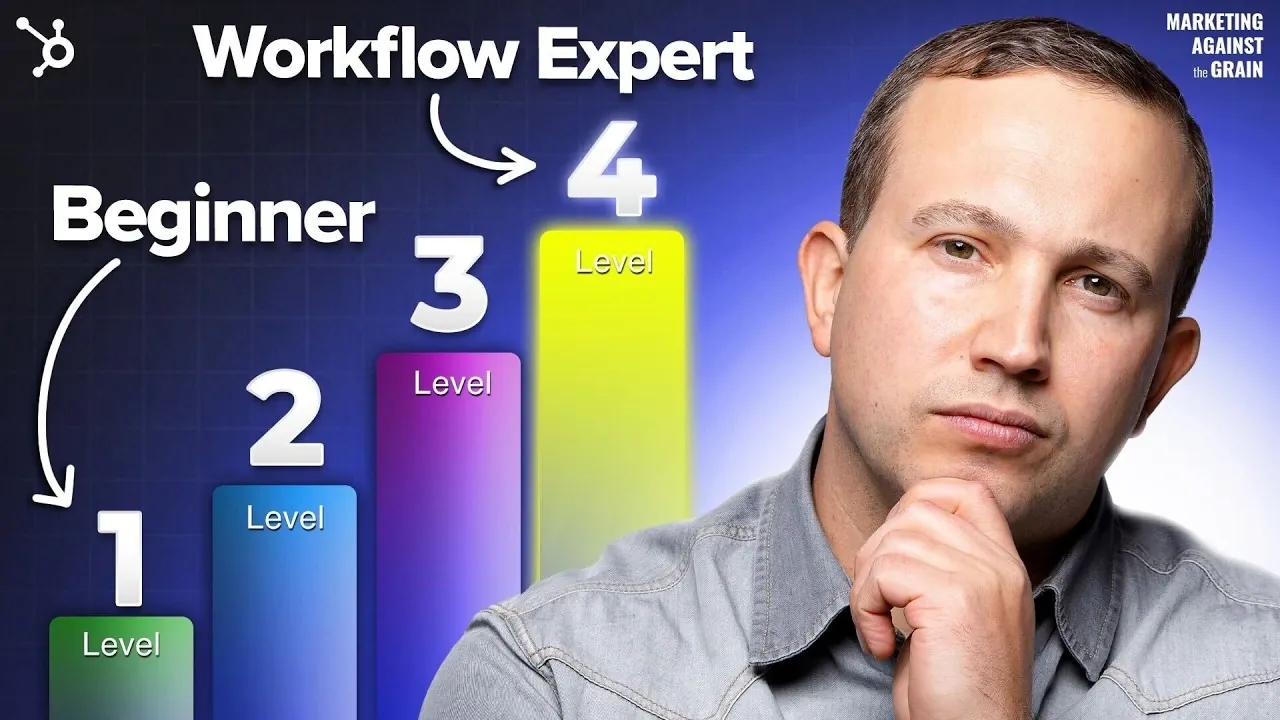
Artificial intelligence (AI) proficiency can be thought of as a transition from simple interactions to the creation of complex automated systems. Marketing Against the Grain introduces the concept of the “AI Skill Ladder,” a framework that categorizes AI expertise into four levels. At the basic level, users ask basic questions, such as obtaining quick information or summarizing content. At the highest level, individuals design integrated workflows that automate complex, multi-step tasks, unlocking significant efficiency and creativity. This advancement highlights the gap between casual users and those who take full advantage of AI’s capabilities.
Explore this analysis to find actionable strategies to improve your AI skills. Gain insight into creating precise prompts that produce customized output, explore advanced features like memory retention for managing complex projects, and learn how to design reusable workflows to automate repetitive tasks. Whether you’re just starting out or aiming to reach the highest level of proficiency, this breakdown provides clear guidance on how to get the most out of AI in your work.
What is the level of AI proficiency?
Key points:
- AI proficiency consists of four levels: Basic Questions, Advanced Prompts, Power User Features, and Workflow Building, each representing deeper engagement and more advanced usage of AI tools.
- Advanced AI tools such as Claude, Manas, Google AI Studio, and Lovable allow users to automate tasks, create workflows, and develop custom applications to increase productivity and innovation.
- AI can be applied in a variety of areas, including research, content creation, workflow automation, custom applications, and content reuse to streamline processes and maximize efficiency.
- To improve AI skills, users need to start with simple tasks, experiment with tools, design reusable workflows, and continue to adapt to new technologies and feedback.
- Mastering AI requires strategic thinking, iterative improvement, and the use of advanced tools to unlock AI’s full potential in solving complex problems and driving innovation.
AI proficiency can be visualized as a ladder of four different levels, with each level representing a deeper understanding and more advanced usage of AI tools. Once you master these levels, you’ll be able to move from basic operations to creating complex automated workflows.
- Level 1: Basic questions
At this basic level, you use AI tools like ChatGPT and Claude to ask simple questions and receive answers directly. Tasks such as summarizing articles, generating ideas, and searching for direct information fall into this category. Most users remain at this stage, relying on AI for simple one-off tasks. - Level 2: Advanced prompts
Progressing to this level involves creating detailed prompts with specific instructions, context, and constraints. By doing so, you can extract more nuanced and actionable output and tailor the AI response to your unique needs. This stage focuses on precision and creativity in interacting with the AI. - Level 3: Features for power users
Power users start using advanced features such as memory retention and custom instructions. For example, tools like Claude allow you to save and update context across sessions, allowing you to streamline repetitive tasks and manage complex projects more efficiently. - Level 4: Build your workflow
The highest levels of AI proficiency include integrating multiple tools, automating complex processes, and designing reusable workflows. At this stage, you can create systems that seamlessly handle multi-step tasks, allowing you to achieve unparalleled productivity and innovation in your work.
Essential tools for advanced AI users
To climb the AI skill ladder, it’s important to become familiar with tools that enable advanced capabilities. These tools allow you to go beyond basic interactions and build sophisticated workflows tailored to your needs.
- Claude: Known for its memory retention features, Claude allows you to save and update context between sessions. This feature is especially useful for automating repetitive tasks or managing complex projects, and is recommended for Level 3 and 4 users.
- manas: Autonomous AI agents designed to perform multi-step tasks. Manas integrates a variety of tools to streamline complex workflows by creating outputs such as dashboards, PDFs, and research reports with minimal effort.
- Google AI Studio: A free platform for building custom applications and internal tools. It’s great for experimenting with workflows and developing interactive resources without significant cost, and it makes it accessible to users of various proficiency levels.
- adorable: This tool specializes in creating digital assets such as landing pages and branded content. This is especially valuable for marketers and content creators looking to increase efficiency and streamline the creative process.

Find other AI Skills guides you might be interested in from our vast content.
Real-world applications of AI
The versatility of AI enables its application in a variety of areas, from content creation to workflow automation. Effective use of AI can increase work productivity and innovation. Here are some practical ways to apply AI.
- Research and content creation: Uses AI to analyze data from platforms like YouTube and Reddit to uncover trends and identify gaps in content. This information can inform your storytelling, marketing strategy, and product development, giving you an edge in a competitive market.
- Workflow automation: Automate repetitive tasks by designing reusable skills and dynamic dashboards. For example, you can use AI-powered tools to streamline lead generation, project management, and customer support processes.
- custom application: Develop interactive tools such as hierarchical lists and visualizations tailored to your specific needs. These applications can enhance user engagement, improve decision-making, and increase overall productivity.
- Content reuse: Automate the transformation of existing content into new formats such as social media posts, brand resources, platform-specific materials, and more. This approach saves you time while maximizing the value of your content.
How to improve your AI skills
Reaching higher levels of AI proficiency requires a combination of curiosity, experimentation, and strategic planning. By taking a structured approach, you can steadily improve your skills and unlock the full potential of your AI tools.
- start small: Start with simple use cases like research and content reuse to build confidence and familiarity with AI tools. Gradually expand your scope as you gain experience.
- Experiment with tools: Explore platforms like Manas for multi-step tasks and Google AI Studio to cost-effectively develop custom applications. It’s important to experiment to find the tool that best suits your needs.
- Create reusable workflows: Focus on designing workflows and skills that can be adapted to different projects. Reusable workflows save time and effort, allowing you to effectively scale your operations.
- stay adaptable: Continually hone your AI skills by incorporating feedback and staying up to date with new technologies. This ensures that workflows remain relevant and effective even in rapidly evolving situations.
Practical advice for mastering AI
Making the most of AI’s potential requires strategic thinking and a willingness to explore new possibilities. Identify areas where AI can add value to your work and gradually incorporate more advanced tools and techniques. Here’s how to get started:
- Use tools like Claude for memory retention and Manas to automate complex, multi-step tasks.
- Build and experiment with custom applications in Google AI Studio to test new workflows without major investments.
- Update your workflows and skills as your needs evolve and focus on iterative improvement. This approach ensures continued growth and adaptability.
Media credit: Marketing Against the Grain
Filed Under: AI, Guide
Disclosure: Some articles contain affiliate links. If you buy something through one of these links, Geeky Gadgets may earn an affiliate commission. Learn about our disclosure policy.


