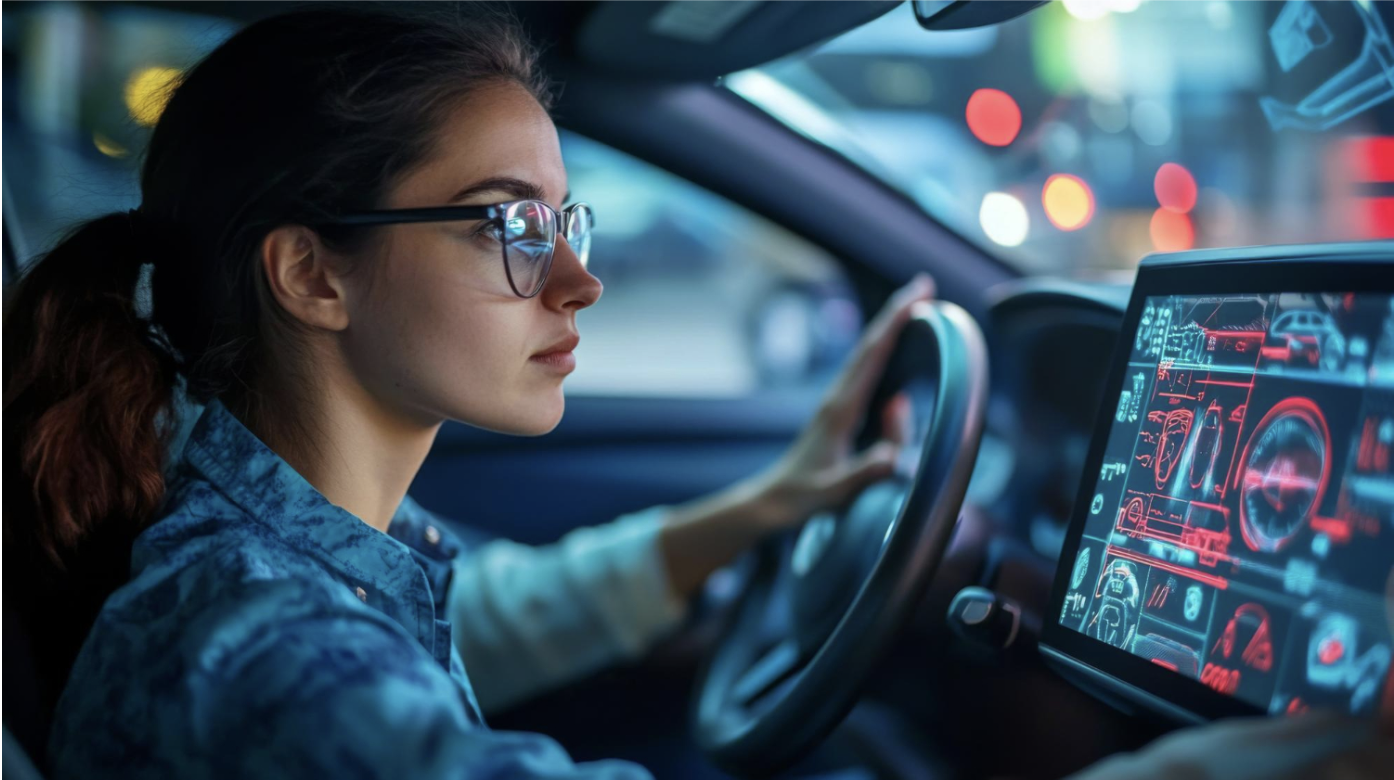
Accuracy was once associated primarily with professionals: pilots, surgeons, elite athletes, and engineers working on critical systems. Advances in sensors, artificial intelligence, data analytics, and connected devices are now making precision a mainstream expectation. From the way we drive to the way we train indoors, modern technology is steadily reducing guesswork and replacing it with measurable insights.
For readers of The AI Journal, this change represents more than just consumer convenience. This suggests a broader transformation. Intelligent systems are turning everyday environments into data-rich ecosystems where performance can be tracked, analyzed, and improved. Whether on the street or in a simulator, technology is quietly teaching people to be more precise, more consistent, and more conscious of their actions.
Improving everyday accuracy
At the heart of precision technology is the idea that small improvements add up. Drivers who can react half a second faster can avoid a collision. Athletes can dramatically improve their long-term performance by correcting small swing mistakes. AI and smart hardware make these tweaks visible.
Machine learning models are currently processing vast streams of real-time data from cameras, motion sensors, GPS modules, and biometric devices. These systems not only record events, but also interpret them. They detect anomalies, recognize patterns, and provide feedback that is impossible for humans to generate manually at scale.
This growing layer of intelligence connects seemingly unrelated areas such as automotive safety and sports training. Both are based on the same principles. That means getting accurate data, analyzing it meaningfully, and turning it into actionable feedback.
Safe driving in the era of intelligent monitoring
Modern vehicles are evolving into rolling data platforms. Advanced driver assistance systems (ADAS) already use cameras and radar to detect lane positions, obstacles, and traffic patterns. But drivers are increasingly adopting aftermarket technologies that go beyond factory features and add visibility and accountability.
Drive recorders are a typical example. Initially popular as proof of insurance, it now plays a broader role in driver coaching, fleet management, and even training AI models. High-quality footage allows algorithms to study driver behavior, road conditions, and near-miss scenarios. Over time, this data will contribute to safer driving standards and smarter safety systems.
However, the reliability of these systems is determined by more than just the camera itself. Stable power supply and uninterrupted data collection are key. Many users overlook how much a proper installation can impact performance. For example, with a properly designed dash cam cable Ensure consistent power delivery and clean cable management, reducing the risk of disconnections and data loss at critical moments. In professional or fleet situations, these hardware details can make the difference between usable evidence and lost footage.
From an AI perspective, every recorded movement is also a dataset. Aggregated and anonymized data like this can help improve traffic prediction models, improve self-driving algorithms, and identify overall safety risks in infrastructure.
Data feedback as a behavioral tool
One of the interesting aspects of precision technology is its psychological effects. People tend to be more attentive when they know their performance is being evaluated. This isn’t just monitoring, it’s feedback.
Drivers who review their footage often notice habits they weren’t aware of, such as rolling stops, delayed braking, and lapses of attention. Similarly, athletes who watch a motion-tracked replay of their performance notice inefficiencies that they didn’t see in real time. AI systems amplify this effect by highlighting patterns rather than isolated moments.
In many ways, intelligent feedback loops are becoming digital coaches. They do not replace human expertise, but extend it and provide continuous, objective observation.
Do precision training indoors
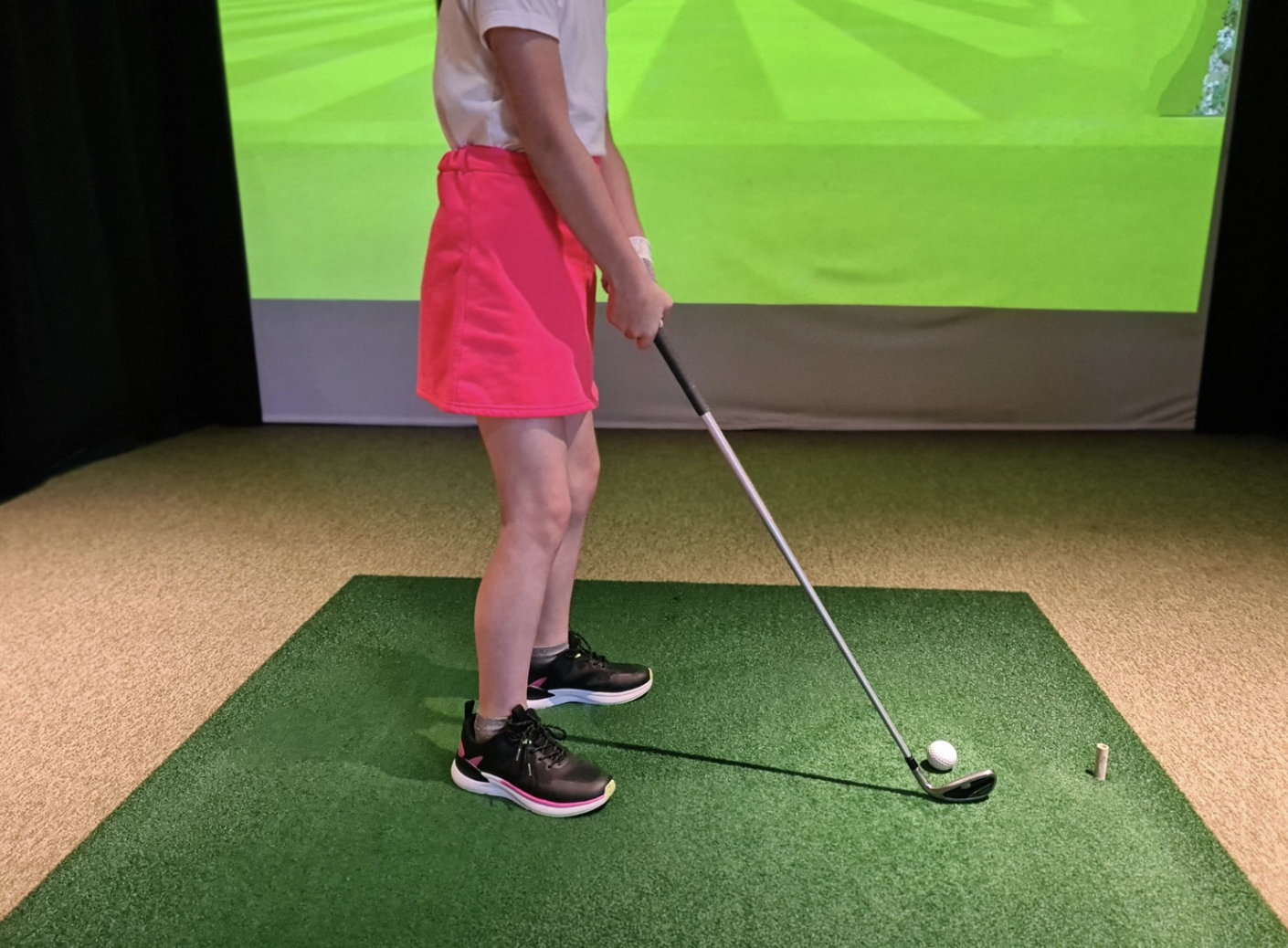
Image by nadezdagorosko on Freepik
The concept of precision goes beyond safety. It is also what defines modern training. Indoor performance environments are becoming increasingly sophisticated, merging physical activity with digital analytics. What was once a simple practice space is now a sensor-driven lab.
Golf is a notable example. Powered by launch monitors, high-speed cameras, and AI-powered swing analysis tools, you can measure ball speed, spin, launch angle, and club trajectory with incredible accuracy. Athletes no longer rely solely on feel, they rely on numbers.
Indoor setups offer something an outdoor environment cannot: control. Wind, lighting, and road surface variations are removed from the equation. This consistency allows athletes to separate variables and focus on technique. Over time, data-driven training accelerates improvement.
Access to specialized equipment has also become easier. platform like indoor golf outlet Caters to athletes and enthusiasts who want to build high-quality simulation environments. With the right technology, your spare room can become a year-round training space, providing measurable insights with every swing. For serious players, this means your progress won’t be stopped by weather or sunlight.
AI as an integration layer
AI is what truly connects safe driving technology and indoor training technology. Cameras and sensors are just input layers. The real value comes when intelligent systems interpret the data.
Computer vision models can now track the trajectory of objects, poses, and motions with incredible accuracy. Predictive analytics allows you to predict trends in risk or performance. Generative AI can also simulate scenarios for training purposes, from virtual traffic situations to realistic golf courses.
As these models improve, feedback becomes increasingly personalized. Instead of giving general advice, the system can say, “You tend to be late in braking at intersections” or “Pressure causes your swing path to deviate.” At this level of personalization, precision technology is transformative.
The future: ambient intelligence and micro-optimization
In the future, precision technology will become more ambient, less obtrusive, but more integrated. Smart environments automatically adjust conditions to optimize performance, including lighting for focus, traffic alerts for safer driving, and adaptive training programs for athletes.
Cross-domain insights may also be gained. Data from mobility patterns can inform health indicators. Analysis of sports training can influence rehabilitation programs. The lines between safety, performance, and well-being are already blurring.
For businesses, this trend means greater opportunities. Precision technology produces high quality data, and high quality data drives better AI. Organizations that understand how to collect and use this data responsibly will be better positioned to innovate.
Precision is no longer a niche feature, but is becoming a design philosophy. From safer roads to smarter training spaces, technology is helping people better understand their behavior and improve it over time.
For the AI community, the message is clear. The next wave of innovation may not necessarily come from big advances, but from systems that make everyday behavior a little better, a little safer, a little more information-rich. There are millions of users and billions of interactions, and those small gains add up to create meaningful change.
In a world increasingly shaped by intelligent systems, accuracy is more than just a feature. It’s becoming the norm.