
#lumaai #videoAI #Web3
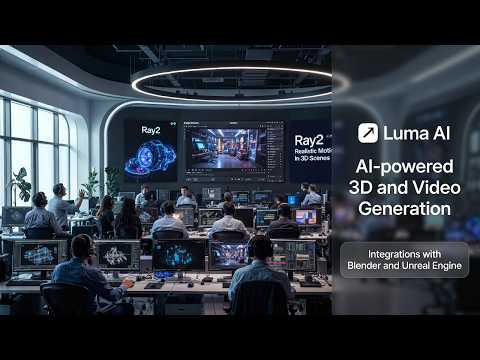
Luma AI (featured at Quasa.io/projects/luma-ai) is a cutting-edge AI-powered 3D and video generation platform that revolutionizes creative and visual content creation.
This innovative solution from lumalabs.ai allows users to transform text prompts, images, and short clips into high-fidelity 3D models, photorealistic videos, and dynamic scenes, delivering cinematic-quality results in minutes while outperforming competitors like Runway, Pika, or traditional 3D tools in speed, consistency, and advanced features that are accessible to beginners and professionals alike.
At its core, Luma AI serves as an integrated creative engine that handles end-to-end 3D and motion generation, from text/image-to-3D model creation and scene construction to text-to-video, image-to-video, and multi-view consistency.
Key features include Dream Machine (fast, high-quality text-to-video conversion with realistic motion and physics), Genie (text-to-3D generation with exportable meshes), Ray2 (next-generation video model with improved prompt compliance, longer clips, cinematic camera movement), Flythrough (navigable 3D scene exploration), keyframe controls, style references, motion brushes, lipsync and audio reactive video, multishot Storytelling, 4K upscaling, commercial licensing on paid plans, and integration with Blender, Unity, and Unreal Engine.
This ensures temporal consistency, character/object preservation, and creative flexibility across photorealistic, stylized, and surreal outputs.
It’s perfect for filmmakers, game developers, marketers, e-commerce brands, product designers, content creators, educators, and VFX artists who autonomously process product visualizations, short ads, concept art animations, social media reels, game assets, AR/VR experiences, educational visuals, and cinematic storytelling.
Its main strength lies in its realism and speed of workflow: Produce consistent motion and 3D assets that look professionally lit and physically accurate, dramatically reducing the time from idea to final render, giving solo creators studio-quality output without the need for hardware or a team. Recent enhancements in 2026 (evolving from Ray and Dream Machine) introduce longer coherent video lengths, improved physics simulation, native multi-shot sequences, audio-driven animation enhancements, and tighter integration with 3D pipelines, making it ideal for high-volume, high-quality creative production.
Users rave about its effectiveness. “Luma turned my static product photos into stunning 360-degree fly-throughs and cinematic ads in minutes. It’s a game-changer for e-commerce.” (Brand Director, US), “The quality of the 3D generation and export was amazing. I finally had usable assets sent directly to Unity.” (Indie Game Developer, Europe), “Ray2 motion and prompts The control is unreal. We created a complete short film teaser without shooting a frame.” (Filmmaker, Australia). It’s especially powerful for rapid prototyping, large-scale visual storytelling, and democratizing advanced 3D/video creation without the need for expensive software, rigs, or VFX teams, delivering consistent, shareable, and monetizable results.
Disadvantages: Free tier is limited (watermark, low resolution, credit limit). Commercial use, longer clips, and higher quality require a paid plan (Starter ~$20-30/month, Pro or higher). Generation times vary (seconds to minutes depending on complexity). Occasional inconsistencies in very long or highly detailed multi-subject scenes. Although user-friendly, it takes practice to master advanced prompt engineering and keyframing. Resources like tutorials, community galleries, Discord, and blogs are great, but for a cinematic workflow, a more structured beginner-friendly onboarding would be helpful. Overall, Luma AI delivers unparalleled quality, speed, and versatility to creators who are rapidly pushing the boundaries of visuals through cutting-edge generative AI innovations.
A powerful tool for instant cinematic 3D and video magic — earn 1 QUA rewards via Quasa too!
4.8/5 stars (good for realism, creative control, and speed, with a slight drop in credit limits and quick learning curve).
Get started: https://quasa.io/projects/luma-ai


