

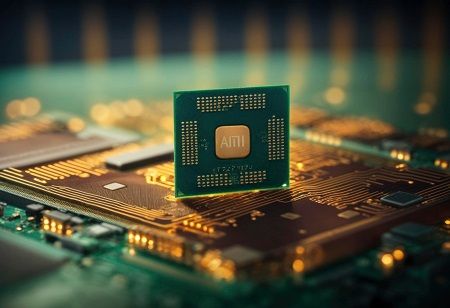
of Generative Artificial Intelligence (AI) The boom continues to fuel demand for Nvidia Advanced graphics processor, Especially new AI Model It can create videos and conduct human-like voice interactions. Nvidia CEO Jensen Huang emphasized that the next big developments in AI include systems that can process 3D video and other complex information, which will require significant computing power.
NVIDIA's advanced Grace Hopper chips, such as the H200, are already being used in multimodal models, including: OpenAI's GPT-4, The chips can have lifelike voice conversations and interact with text and images. Demand for these chips is driven by Nvidia's customers, including Google DeepMind and Meta Platforms, which are also developing AI platforms for image and video generation.
The company's data center division reported a more than five-fold increase in first-quarter sales and is on track to significantly beat quarterly earnings expectations. Derren Nathan, head of equity analysis at Hargreaves Lansdown, noted that the broader demand is being driven by the growing need to make large language models multimodal (able to understand both video, text, speech, and 2D and 3D images).
Furthermore, in the automotive industry AI Model Processors for video have emerged as a major driver of demand for Nvidia chips. Tesla, for example, has expanded its AI training processor cluster to about 35,000 H100s to support its autonomous driving goals. Nvidia's financial chief Colette Kress said the automotive division is expected to become the largest enterprise vertical in Nvidia's data center business this year, highlighting the key role of the auto industry in the company's growth.
Overall, the rapid development and adoption of advanced AI models across a range of sectors, including automotive and content creation, is expected to continue to drive robust demand for Nvidia's high-performance graphics processors.


