

A video from an Indian factory showing textile workers wearing helmets fitted with cameras to record their movements has gone viral on social media. The goal is to train artificial intelligence to replace these same employees in the future. On so-called manual farms, wages are around US$230 to US$240, or about R$1,200 per month.
Social media has reacted with outrage to a video that resembles an episode of Black Mirror but is authentic. The image shows laborer At a textile factory, believed to be in India, she wears a helmet with a camera attached to it that records every movement of her hands while sewing and other tasks. The stated goal is to record these repetitive movements and teach artificial intelligence to perform them accurately.ultimately allowing humanoid robots to replace the very workers who currently film their routines. This discrepancy was brutal and could no longer be ignored as the video reached millions of views.
This phenomenon has a technical name, “hand farm”, which has not yet been translated into Portuguese. This concept describes a place where thousands of people perform simple, repetitive tasks using cameras and sensors attached to their bodies.which feeds artificial intelligence systems with the data needed for algorithms to learn to reproduce the same actions. In reality, workers receive a monthly salary of US$230 to US$240, or about R$1,200, to teach the machines to do exactly the job they are being paid to do. Once artificial intelligence is trained, human work becomes unnecessary.
How Indian workers train in artificial intelligence

According to information from the portal Metropole, the technology behind viral videos is more sophisticated than it seems. A camera-equipped helmet not only records video, but also captures the worker’s eye perspective in sync with the precise movements of the hands.collects data about angles, speeds, torques, and other details that machine learning algorithms need to reproduce the action with mechanical precision. Each worker effectively becomes an involuntary teacher for the students who will one day replace them.
-
Psychologists warn that today’s parents are raising a whole generation of spoiled children by avoiding setting limits, giving in to all desires and exchanging emotional presence for gifts and material rewards.

-
Italo, a young man from the state of Pará, took the Enem exam at the hospital even though he was hospitalized with an incurable disease, and was accepted into the medical schools of three public universities: UFPA, UEPA, and UFRJ.

-
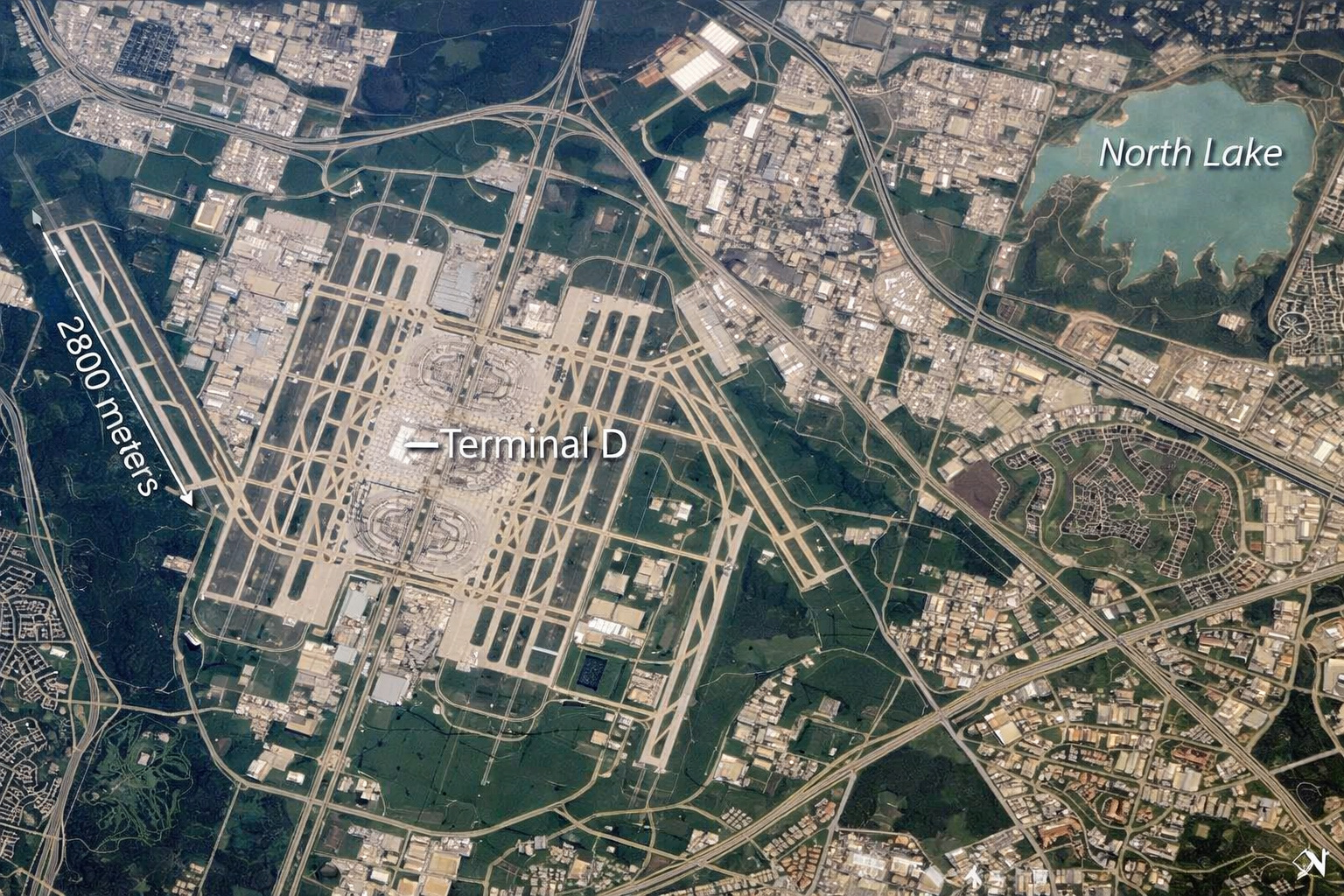
Larger than Manhattan and visible from space in a single orbital image, this Texas airport spans more than 69 square kilometers, has seven runways, dozens of kilometers of taxiways, and an annual flow of millions of passengers, making Dallas-Fort Worth one of the largest airport structures ever built on Earth.
-
He places a lemon between the positive and negative terminals of the AM radio tower antenna and asks you to turn on the transmitter. Within seconds, the fruit begins to heat up and “sing,” demonstrating how AM radio frequencies create vibrations and sound.
This process works because artificial intelligence learns better from real-world examples than from artificial simulations. When thousands of workers perform the same task with subtle differences in technique, AI can identify common patterns and optimization strategies. Programming cannot be done by engineers alone. For example, sewing in a textile factory requires microsecond decisions about pressure, angle, fabric adjustment, and rhythm that the human eye can make without thinking, but robots must learn by observing real humans doing the same thing thousands of times.
What is an artisan farm and why do workers accept its work?
Hand farms operate in a gray area of the global labor market. For Indian workers participating in these programs, a monthly salary of R1,200 is competitive within local realities.and the task itself requires no special qualifications other than performing a job that you already know how to do. The terms of the contract seem simple at first glance. They work as usual, wear helmets with cameras, and get paid at the end of the month.
The problem is not the pay itself, but the long-term impact. Recording the every moment of movement of these workers will accelerate the development of technologies that make them unnecessary.and they actively contribute to their own professional obsolescence, with no economic alternative to reject. Employees often don’t even know exactly what their data is being collected for, and contracts are so opaque that ethical issues rarely surface. This viral video exposed what had previously happened in public.
Why an Indian factory became a hub for artificial farming training AI
It is no coincidence that these practices are concentrated in countries like India. India’s combination of cheap labor, large population willing to work in textile factories, and existing industrial infrastructure makes it an ideal environment for companies looking to train in artificial intelligence. It uses large amounts of data collected from real humans performing manual tasks. In countries with high wages, this process will become economically unviable.
In addition to cost, there are also cultural and regulatory factors. Labor laws in India and other countries where artisanal farms operate are less restrictive regarding the use of biometric and behavioral data of workers.This allows companies to collect information that may face significant legal barriers in jurisdictions such as the European Union. For companies developing humanoid robots, this combination of low costs and fewer restrictions turns developing countries into strategic locations for training artificial intelligence.
Videos of Indian workers reveal the future of work
The controversy that the video has reignited goes far beyond a momentary social media outburst. The idea that workers are training machines to replace them is the most obvious version of a transformation that will affect millions of jobs around the world.including areas such as customer service, translation, programming, and data analysis. The difference is that on manual farms the process is visual, immediate and cannot be ignored.
For labor market experts, the Indian factory phenomenon is a harbinger of what’s to come on a global scale. If artificial intelligence training by human workers is the bridge between today’s manual labor and the automated jobs of the future, millions of professionals in all fields could be unknowingly contributing to their own replacement. Every time you use an AI tool that learns from your actions. The difference between manual farms and companies using AI tools is simply the transparency of the process.
Ethical implications of worker videos
The viral spread of the video raised ethical questions that the companies involved were unwilling to discuss publicly. What are the acceptable limits for using humans as a source for AI training? Do employees need to be explicitly informed about how their data will be used? Are there regulations that prohibit companies from using training systems to replace their own employees? These questions still do not have clear answers in almost every country in the world.
The source of the specific video is not clearly identified, and no company has publicly claimed this practice. However, experts have confirmed that similar situations to those shown in the footage are occurring in factories in India and other countries as well.this practice is expected to expand as the development of humanoid robots progresses. Viral videos may have made it impossible for the industry to continue operating without publicly discussing their content, but social media outrage rarely leads to effective regulatory changes. Workers will continue to wear helmets, cameras will continue to record, and artificial intelligence will continue to learn.
Indian factory videos show workers training AI to replace them. Do you think this behavior should be banned? Could the same thing happen in your profession in the future? Share your opinion in the comments.
Source link


