

The maritime industry moves more than 11 billion tons of goods every year. With the expansion of global trade and “just-in-time” delivery, the pressure on shippers to deliver their cargo quickly, reliably, and cost-effectively has increased exponentially, leaving many shippers struggling to keep up. From complex networks of full container loads (FCL) to less than container loads (LCL), each transportation mode presents unique challenges.
Traditionally, shipping logistics has relied heavily on paper records, phone calls to track containers, and a lot of manual work. Today, that's changing with real-time tracking sensors and smart algorithms (backed by AI and machine learning) that instantly optimize logistics. These technologies are bringing much-needed visibility and efficiency to the complex world of shipping.
So the days of shippers losing containers during long, complicated journeys and then scrambling to find them are fast becoming a thing of the past. Modern logistics is driven by real-time tracking sensors, predictive algorithms, and end-to-end visibility platforms. Let's take a look at how companies are currently monitoring the exact location and condition of their containers from factory to port.
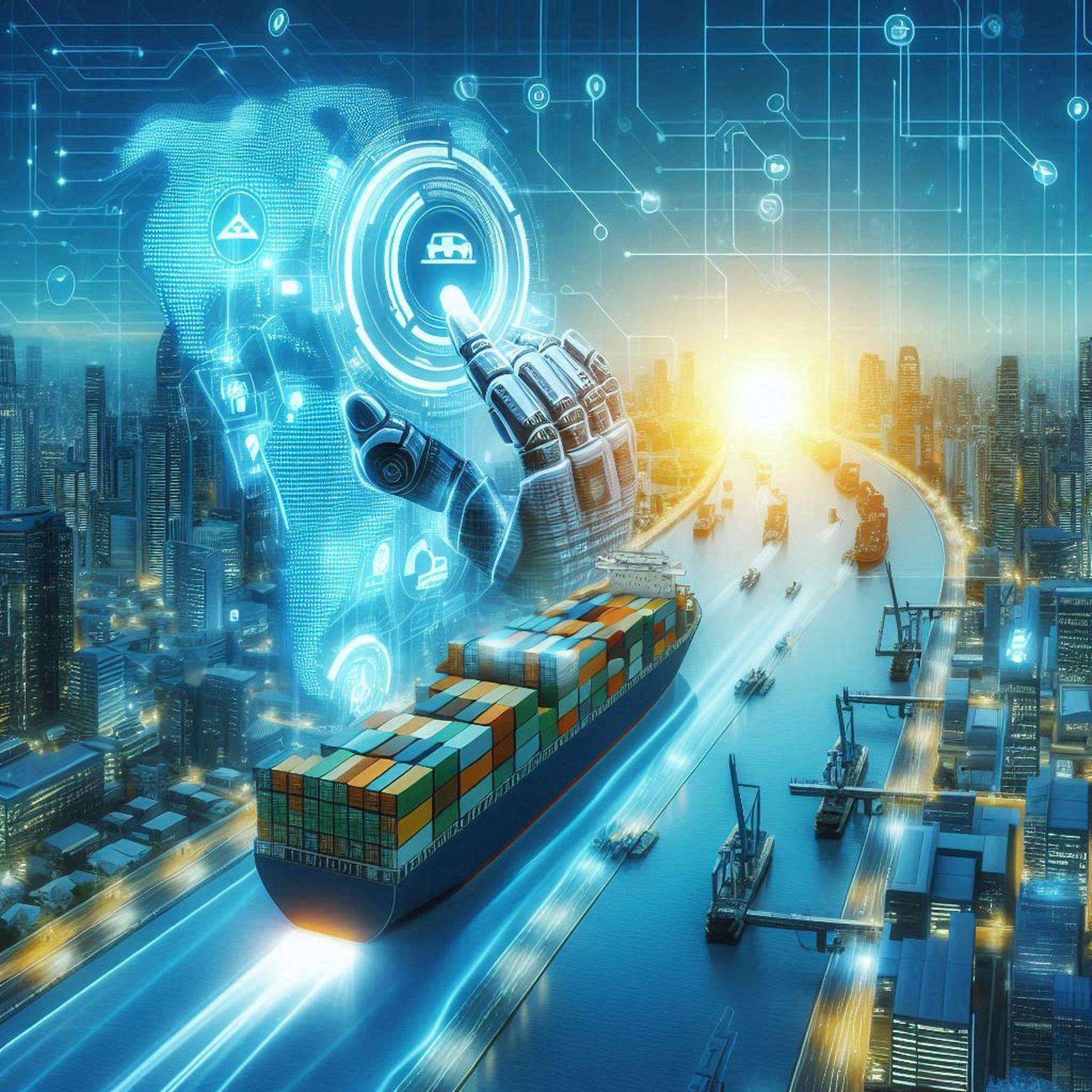
Why traditional delivery logistics can no longer keep up
As mentioned earlier, traditional freight transport requires a lot of manual paperwork, phone calls, faxes, tracking of packages, etc. – so-called “analog logistics.” Once a container leaves the shipper’s dock, there is often no real-time visibility into the container’s status or location during transport.
Delivery of cargo between ports, ships, trains and trucks was prone to delays and miscommunication. Containers could sit at ports waiting to be loaded or unloaded from ships, and customs and paperwork could also result in lengthy delays.
So most tracking was done retroactively. If a customer asked where their order was, the delivery company had to make multiple phone calls to find out. Delivery companies were siloed, with little data sharing between them.
This uncertainty made delays extremely difficult to predict and contingency plans to make, and as a result, shippers struggled to meet customer expectations around order accuracy and on-time delivery.
Sensors track containers in real time
Companies can now attach inexpensive wireless sensors and GPS trackers directly to shipping containers and chassis to track their location and condition in real time. These handy devices transmit information to the cloud via cellular or satellite networks.
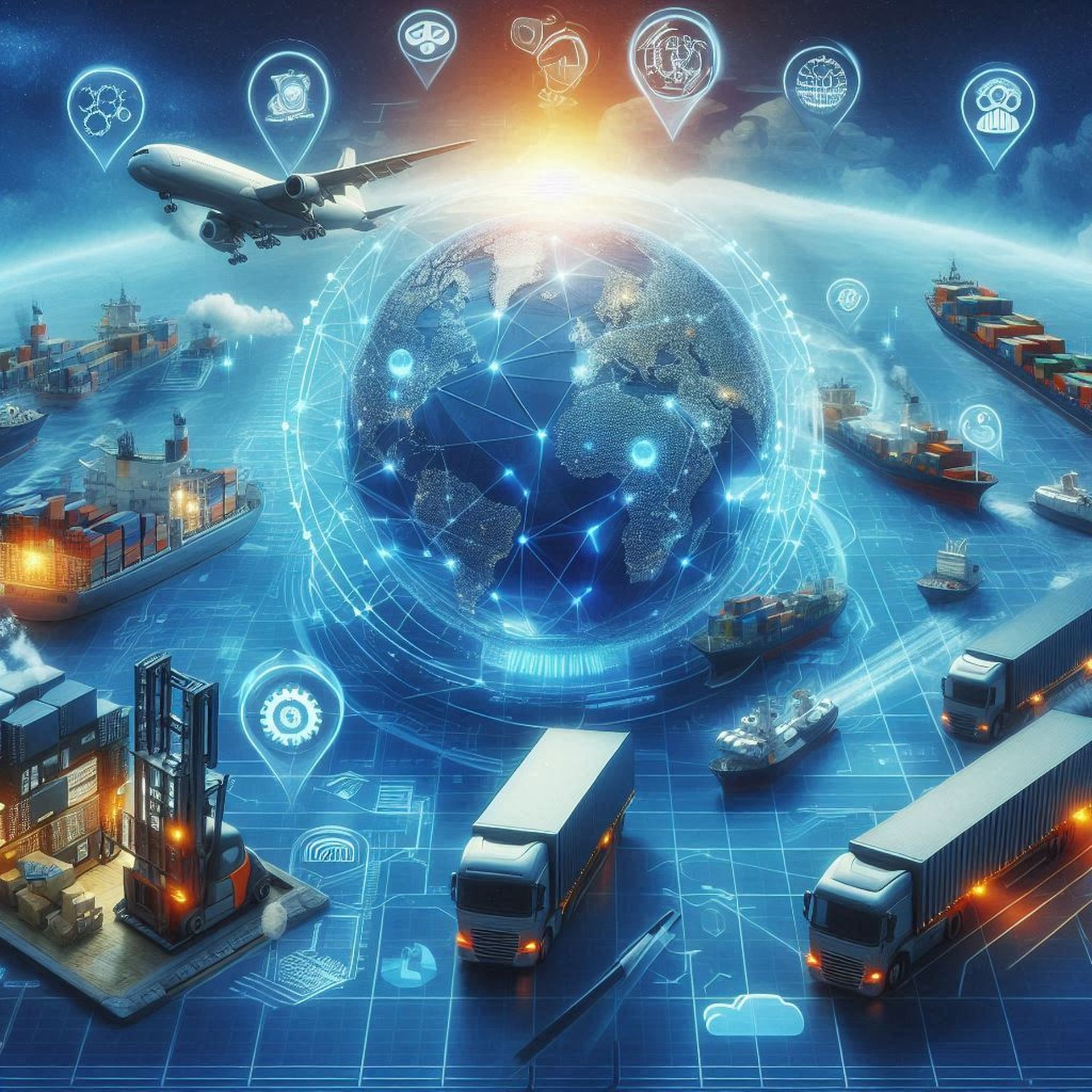
This technology is especially beneficial for companies that rely on FCL shipping because it allows them to know exactly where their containers are and what condition they are in at any given time. This means business owners can rest easy knowing their valuable cargo is safe by observing when their containers reach key milestones like loading onto the ship, arriving at port, and clearing customs.
Gatekeepers at ports and rail yards use handheld devices to automatically capture and transmit more detailed events such as container pick-up, drop-off, mounting on chassis, and gate entry and exit times.
These tracking events are aggregated and analyzed in a transportation management system, so that all parties involved now have access to actionable data, from the status of each container to turn-by-turn road directions (knowledge that can be used to enhance and optimize logistics, ultimately benefiting the end consumer).
AI and machine learning optimize logistics
The exponential growth in data about container movements has enabled AI algorithms to detect patterns and predict potential outcomes. Machine learning models have been trained to predict almost everything you can imagine, including arrival times at ports, queue lengths, and wait times at customs.
By benchmarking historical trends, anomalies are immediately flagged and preventative measures can be taken to minimize delays. For example, if a container is stuck at port longer than usual, the system automatically notifies responsible parties to move the container.
The recommendation engine accesses data from across the supply chain network to provide dynamic guidance to optimize routing and warehousing. Algorithms generate smarter load plans to load and route containers onto vessels in the most efficient sequence.
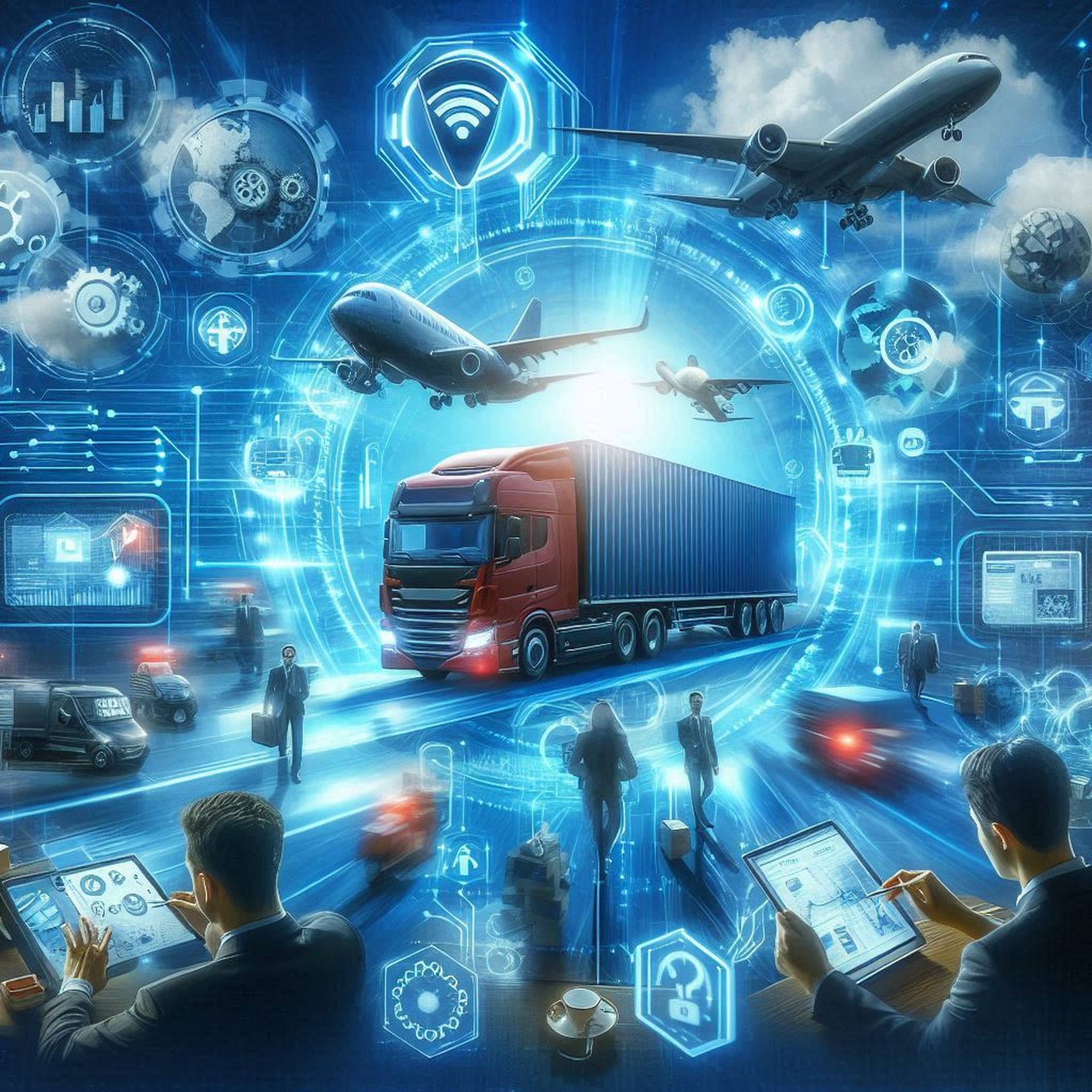
As conditions change, the system quickly recalculates the plan and prescribes the next best course of action to keep deliveries moving forward. Humans handle exceptions, while AI handles the routine execution.
End-to-end logistics orchestration
Shipping companies offer integrated control towers that combine real-time tracking data, weather and traffic information, customs information, and reservation status. These systems provide complete visibility and event management of the supply chain from factory to destination port, something that was thought impossible just a few decades ago.
Control Tower uses workflows, alerts and dashboards to help customers proactively monitor the status of their orders. Notifications are sent to both the shipper and receiver, flagging any issues early. From there, they can work together to resolve the issue before it has downstream impacts.
Using predictive analytics, the platform automatically makes recommendations for optimally routing orders across the carrier network. It might suggest moving some containers to truck or rail to avoid delays caused by port congestion. This level of supply chain orchestration minimizes costs and improves customer service — a win-win for everyone involved.
Benefits of next-generation logistics
The combination of sensors, machine learning and collaborative systems will radically improve transportation efficiency, transparency and resilience. Key benefits include:
- Real-time container tracking and status updates
- Reduce waiting times at ports and rail yards
- Just-in-time loading/unloading of ships and trucks
- Optimizing ship stowage plans using AI
- Calculate estimated time of arrival to street level
- Exception management workflow to resolve issues
- Cost reduction through network optimization
lastly
The latest wave of technology provides unparalleled visibility into a shipping container's end-to-end journey. Instead of managing logistics disruptions, supply chain partners work together with data-driven reliability and agility. Transporting goods between continents continues to become faster, cheaper and more reliable.
As the shipping industry continues to face headwinds from trade wars, labor shortages and economic turmoil, technology is providing the tools and insights it needs to chart a more stable path toward growth and profitability.
Featured image credit: Freepik


