
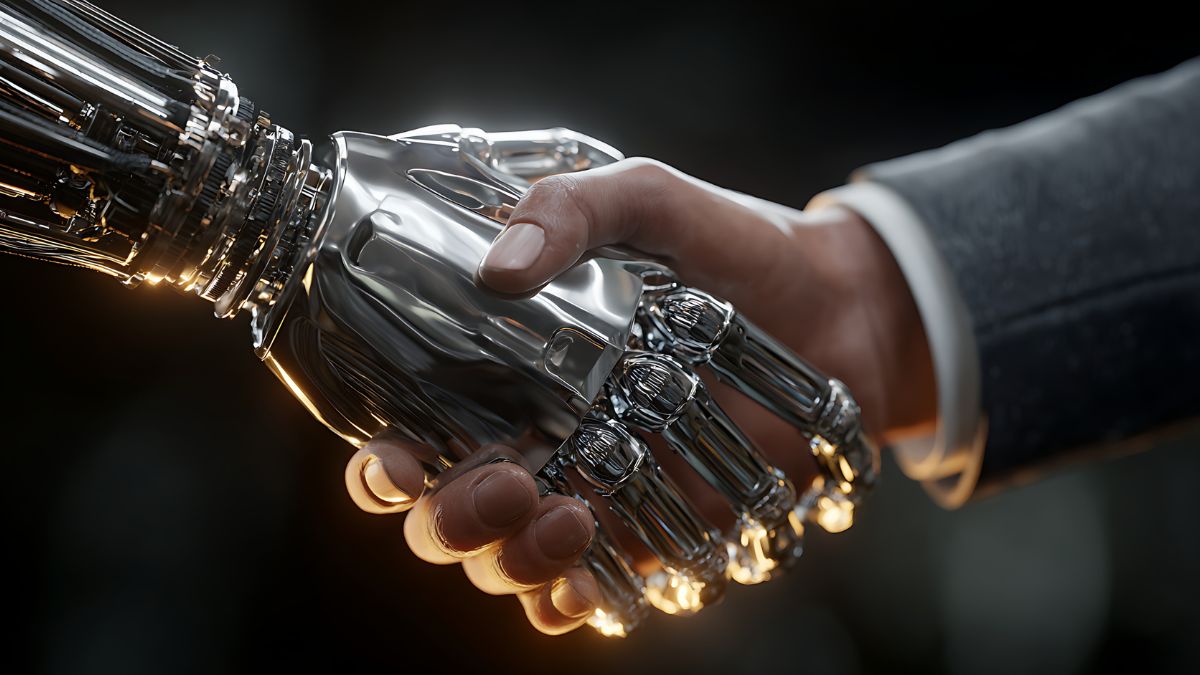
As physical AI reshapes manufacturing and new technical and interdisciplinary skills are required, engineering education will also need to evolve.
World Youth Skills Day 2026 comes at a time when engineering is changing more rapidly than ever before. Artificial intelligence is no longer limited to software. We now power robots, automated factories, and intelligent machines that perform physical tasks with little human intervention. As India expands its manufacturing sector, employers are increasingly seeking engineering graduates who can combine strong technical knowledge with skills in AI, robotics and automation. This shift is transforming engineering education. Students need hands-on experience, interdisciplinary learning, and regular upskilling to prepare for their future engineering careers.
What is physics AI? Why is it important?
Physical AI refers to artificial intelligence that enables machines to sense their surroundings, process information, and respond to real-world situations. Automate physical tasks by combining robotics, sensors, computer vision, and machine learning.
Manufacturing plants, warehouses, and distribution centers are already using intelligent robots to improve productivity and accuracy. As more industries adopt these technologies, engineers who understand both software and hardware will become increasingly valuable.
The increasing use of AI in manufacturing is creating opportunities for robotics engineers, AI engineers, mechatronics engineers, industrial automation engineers, embedded systems engineers, and computer vision engineers. These roles require engineers to work across disciplines rather than relying on single-discipline expertise.
According to Dr. Rajesh Kumar, Chief Scientist for Robotics and AI at Addverb, the profession is entering a new phase.
“Just as software transformed the IT industry, physical AI is beginning to change the economics of manufacturing. As intelligence is embedded in physical systems, engineers who can design, deploy, and improve these systems will increasingly have a competitive advantage.”
His comments demonstrate that engineering graduates will need skills beyond traditional design and development.
Dr. Kumar further added, “Tomorrow’s engineers will need to combine core engineering fundamentals with AI literacy, data skills, and systems thinking. They need to be comfortable working across disciplines and solving real-world industrial problems.”
This means that for students, hands-on learning is just as important as classroom instruction.
Engineering education cannot meet the changing needs of the industry through classroom education alone. Internships, real-world industrial projects, and project-based learning provide students with experience in automation, robotics, and intelligent manufacturing systems. Close collaboration between universities and industry also helps institutions maintain the relevance of their courses and prepares graduates to meet workplace expectations.
Engineering students should strengthen their knowledge of AI, robotics, programming, machine learning, industrial IoT, and data analytics alongside their core specialization. You will also need to develop systems thinking, problem-solving skills, and the ability to collaborate with professionals from a variety of engineering backgrounds. As technology continues to change, regular upskilling remains important.

