
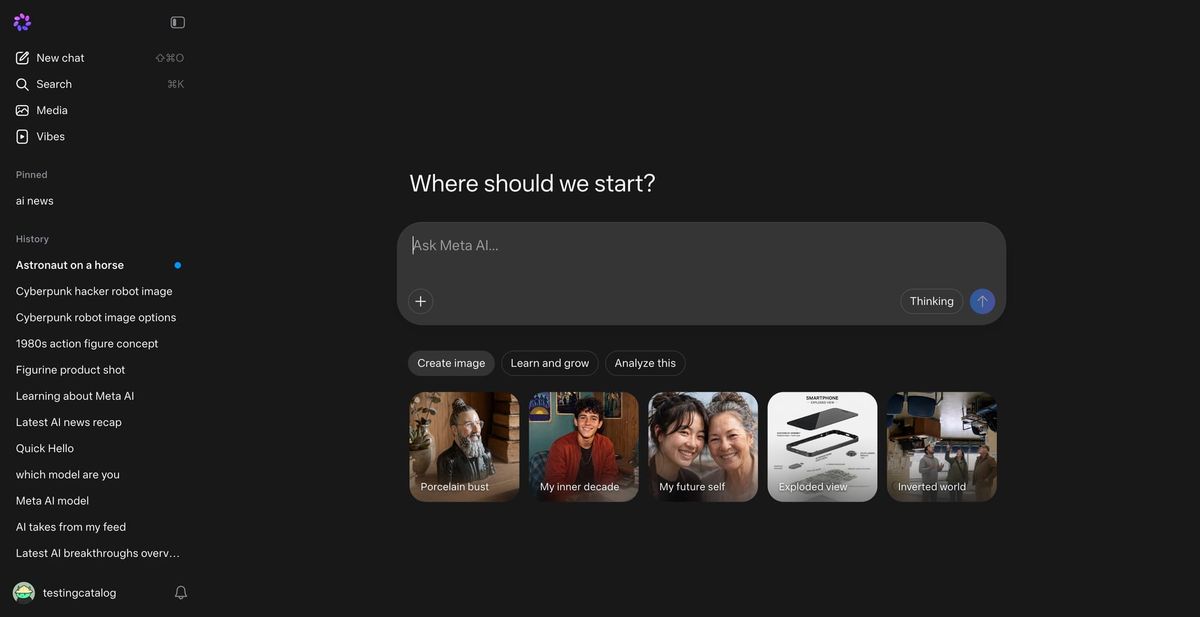

Meta began deploying Muse Image, Meta Superintelligence Labs’ first image generation model, within Meta AI, turning the assistant into a visual creation tool across the company’s consumer apps. This model is currently available in the Meta AI app, with support for Instagram Stories in the US and WhatsApp image generation in some countries. Advertiser access via Facebook, Messenger, other Instagram and WhatsApp surfaces, and Advantage+ creatives will follow.
META 🔥: MSL’s first image generation model, Muse Image, is now available in Meta AI.
> Use advanced reasoning to understand complex prompts and seamlessly blend multiple photos to create high-quality creations that you can download and share anywhere.
Users can also access presets… https://t.co/GgV5F09zta pic.twitter.com/DX1Zj5DFjP
— 🚨 AI News | TestingCatalog (@testingcatalog) July 7, 2026
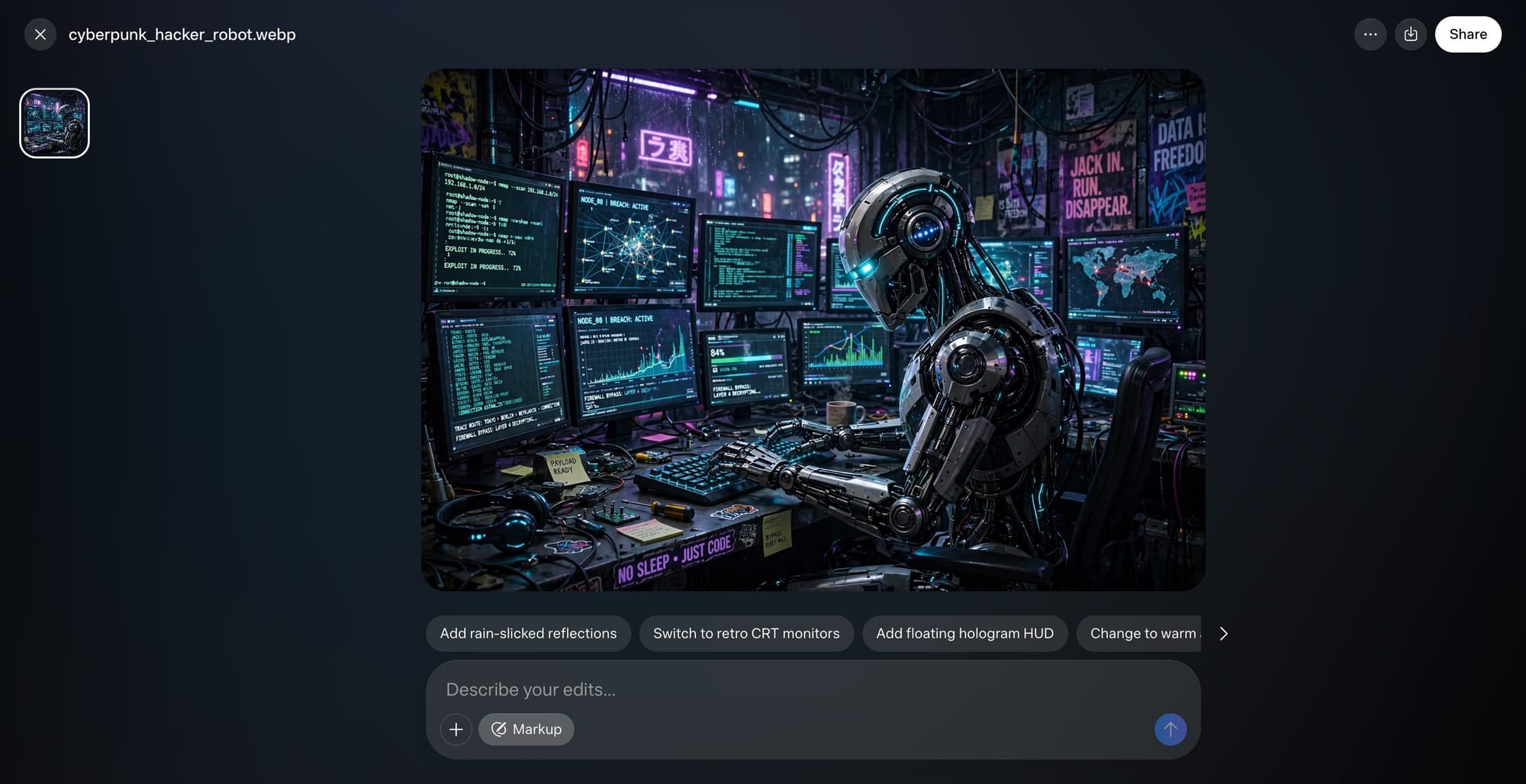
Muse Image is built for prompt-based image creation, photo editing, multi-reference composition, room redesign, personalized presets, and social creation with Instagram context. Users can start with text, an existing photo, a suggested prompt, a public Instagram account mentioned with @, or a sketch drawn directly on top of an image. According to Mehta, the model can render cleaner text within visuals, generate QR codes and plots through coding tools, and use web searches to ground images in current or factual context.
With this release, Meta’s image strategy is more closely tied to your company’s social graph than a standalone image generator. Muse Image can draw from Instagram’s public photos when a user tags an account, but Instagram users have the option to turn off this type of AI reuse. This embeds launches directly within creators’ existing workflows, from story effects and chat images to event graphics, room makeovers, product concepts, and small business marketing assets.
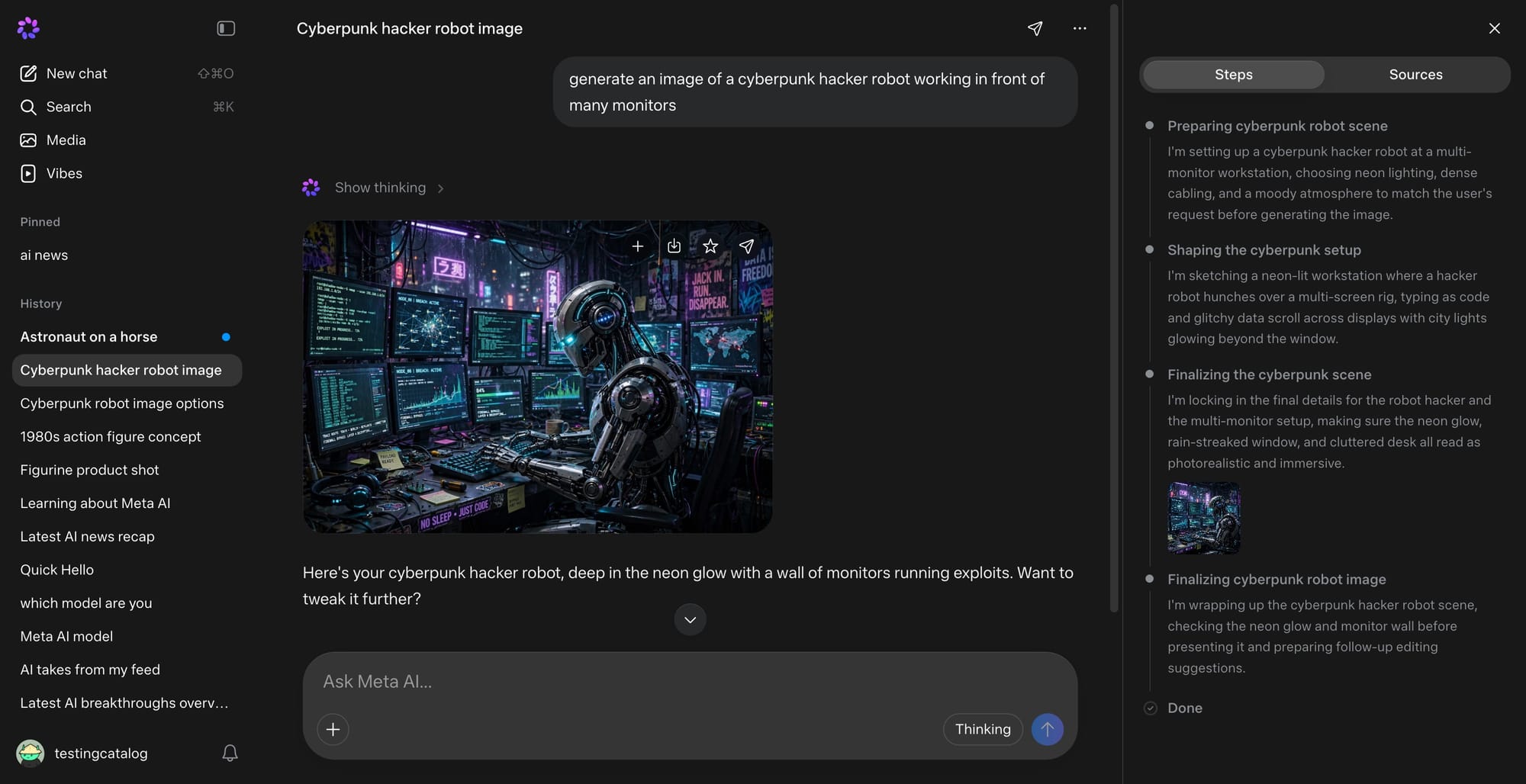
Under the hood, Meta frames Muse Image as an agent media model rather than a basic text-to-image system. You can plan ahead of generation, use search and coding tools, self-tune output, scale inference at inference time, and work with Muse Spark, Meta’s initial inference model. Mehta also said that as of July 5, 2026, Muse Image is ranked #2 on Arena for text-to-image conversion, single-image editing, and multi-image editing, behind GPT Image 2 on the text-to-image leaderboard, and ahead of models from Reve, Google, Microsoft AI, xAI, and others.
Meta also adds content seals, which are invisible watermarks on images generated with Meta AI. The company says this signal is designed to remain detectable even after cropping, compressing, resizing, and screenshots, and it is previewing a detection tool to see if an image contains a watermark. The same provenance system will later be used for videos, Mehta said.
META 🔥: In addition to Muse Image, Meta has announced the Muse Video model.
> Muse Video is built on the same pre-trained base as Muse Image and provides superior visual fidelity with native audio support.
> Muse Video coming soon to creators and meta AI.
Lots of good things… https://t.co/E60FzrvrriG pic.twitter.com/EpYFQRJ3x2
— 🚨 AI News | TestingCatalog (@testingcatalog) July 7, 2026
Meta positions Muse Image as the second major step in the Muse roadmap after Muse Spark. Muse Spark began powering Meta AI across the Meta AI app, WhatsApp, Instagram, Facebook, Messenger, Threads, and AI Glasses earlier this year. Muse Video has already been previewed and will be made available to creators and Meta AI later, so Meta is now moving from assistant answers to generating visuals for social media production, ad creative, and within apps where users are already posting and messaging.
sauce


