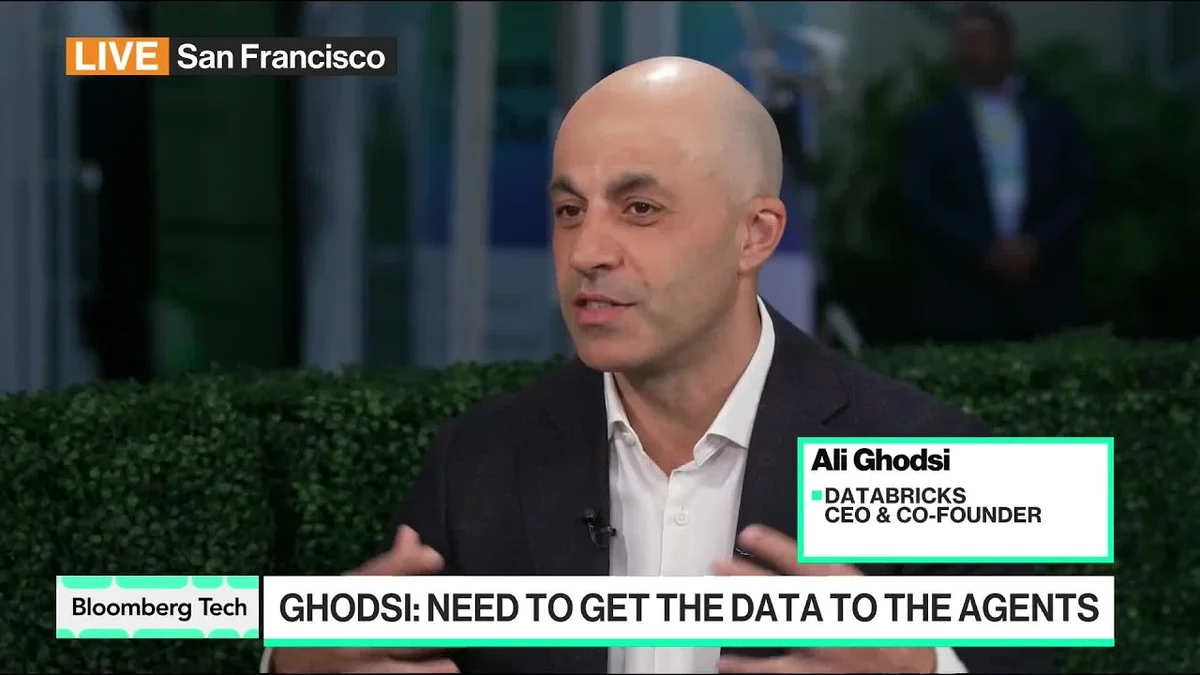
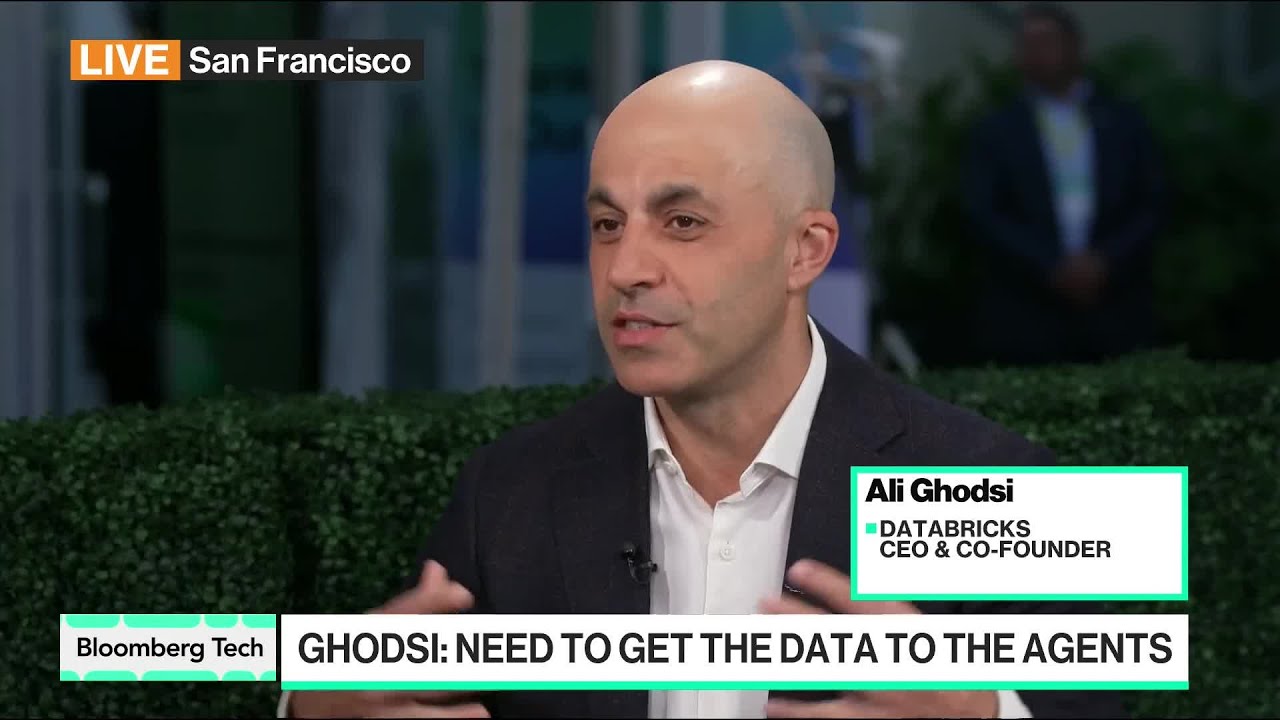
In a candid discussion, Databricks CEO and co-founder Ali Ghodsi shared his views on the current state of artificial intelligence and asserted that artificial general intelligence (AGI) is already here. Speaking at a Bloomberg Tech event, Godoshi challenged the common narrative around AI development, stressing that instead of focusing on making AI models “smarter” in vain, the focus should be on providing them with the data context they need to be more effective and productive.
Visual TL;DR. AGI has arrived and shifts the focus to data context. AI effectiveness comes from focusing on data context. AI effectiveness driven by Databricks strategy. Databricks’ strategy leads to its market position. AGI has emerged in contrast to the story of AI evolution.
AGI is here: CEO Godoshi believes AI models already have advanced capabilities
Focus on data context: Data context matters more than the “smartness” of AI models
AI Effectiveness: Contextualized AI Unlocks True Potential and Productivity
Databricks Strategy: Data Context and AI Platform
Market position: Leading the AI revolution with a focus on data
A story of AI evolution: Challenging the idea of making AI models “smarter”
Visual TL;DR
Ghodsi’s views on the evolution of AGI and AI
Godi said he frequently asks audience members how many people believe AGI has already arrived, and typically about 10% of the audience raises their hand. We then asked how many people believe that the AI models they use every day are smarter than the people they interact with, and a much larger percentage, around 90%, raised their hands. Ghodsi sees this as evidence that AI already has advanced capabilities, but its true potential is unlocked when properly contextualized. He argues that rather than pursuing increasingly complex models, the industry should focus on feeding these models with relevant data. “You don’t need AI to be smart; you just need to give it context,” Godi explained. He believes that providing AI with the right data will greatly enhance its ability to perform tasks and answer complex questions.
Complete discussion can be found here: bloomberg technologyYouTube channel.
Databricks CEO: We don’t need AI to be smarter — via Bloomberg Technology
The importance of data context in AI
Ghodsi emphasized that Databricks is strategically focused on this aspect of AI development. The company is actively working on solutions that allow businesses to inject their own data into AI models, thereby enabling more relevant and actionable output. He offered an analogy, saying that AI models are like smart students who, although sophisticated, need the right textbooks and curriculum to excel. The Databricks platform aims to be a comprehensive educational resource on AI. Ghodsi revealed that Databricks is actively engaging with its customers and conducting numerous studies to ensure that enterprises are increasingly looking to integrate their vast datasets with AI to drive business value. He pointed out that while AI can generate code and automate tasks, its real power comes from rooting these capabilities in specific business contexts and data.
Databricks Strategy and Market Position
The CEO also touched on Databricks’ partnerships with leading AI companies such as Alphabet (NASDAQ: GOOGL) subsidiary Google DeepMind (Gemini), Microsoft (NASDAQ: MSFT)-backed OpenAI, and Anthropic. He emphasized that Databricks provides the data foundation for these models and allows them to be trained and fine-tuned using specific organizational data. Ghodsi said Databricks is focused on creating a comprehensive data intelligence platform that not only builds AI models, but serves as the backbone for AI deployment across the enterprise. He pointed to a slide showcasing Databricks’ customer base, which includes major companies such as AT&T, Rivian, Adidas, Mercedes-Benz, Unilever, Virgin, and Bayer, demonstrating the broad applicability of the company’s data and AI solutions.
Ghodsi concluded by saying that while the current market may be slowing down IPOs, especially for software companies, Databricks is well-positioned due to the fundamental need for data management in the AI era. He believes that as more software is produced and more AI agents are deployed, the demand for robust data infrastructure like the one provided by Databricks will only increase. He also said that over the next nine months to two years, the amount of software created will dwarf all previous human history, emphasizing the critical role of data in this AI-driven software creation process.