
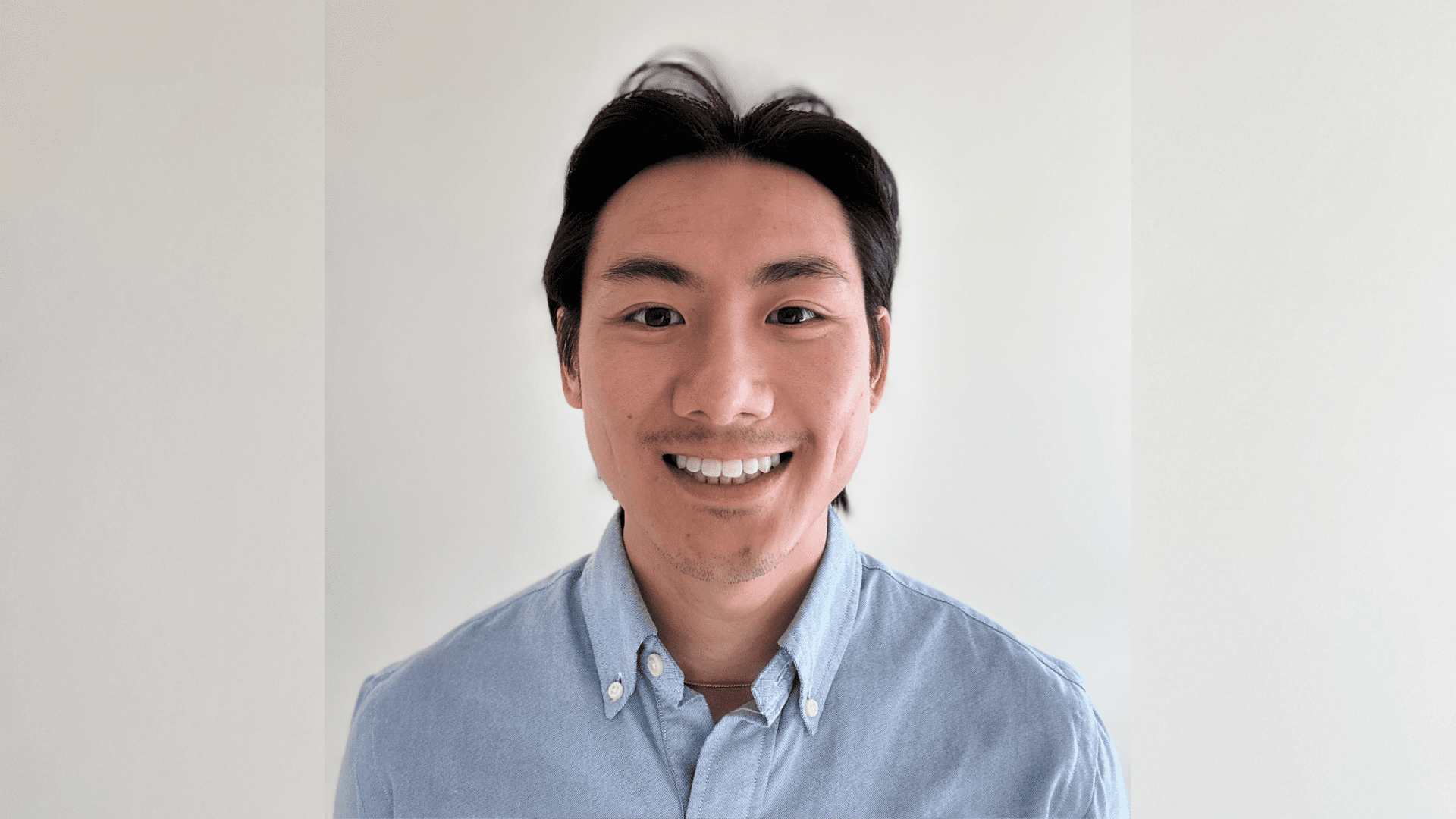

After building patent risk tools at AI Bootcamp, 3L Nicholas Nguyen gained a new perspective on how technology can expand access to legal knowledge and support.
- 3L Nicholas Nguyen developed the AI tool at UC Law SF. AI-Enabled Lawyer Bootcamp Helps inventors assess patent risk.
- He learned how AI can support more efficient legal analysis while still requiring human judgment and due diligence.
- This experience changed his perspective on AI’s potential to make legal knowledge and insight more accessible.
As artificial intelligence reshapes the practice of law, UC Law San Francisco trains students through hands-on education AI-Enabled Lawyer Bootcamp This allows students to go beyond theory and have real-world applications before they graduate. Students will gain first-hand experience using AI for core law practices such as research, drafting, discovery, and document analysis while addressing ethical issues related to privilege, conflict, and professional responsibility. Capstone projects involve building your own AI tools, often with little or no coding experience.
First offered this spring, AI Bootcamp is part of LexLab, UC Law SF’s Center for Technology Law and Lawyers, led by Director Drew Amerson. This eight-session course was designed by Director of Applied Innovation Tal Nib and taught by 2005 Adjunct Professors Luis Villa and Zoe Dolan. They are practicing lawyers with deep experience integrating technology into legal practice.
Below, 3L Nicholas Nguyen explains how he built an AI tool to help inventors assess patent risk and what he learned from the experience.
Why did you join AI Bootcamp?
I wanted to better understand how AI works and the underlying principles that guide the system’s response to prompts. Additionally, I wanted to strengthen my ability to use AI in my own practice and become fluent in its use. When I learned of its existence and rapid growth, I knew I needed to learn about it, or at least understand it, before deciding whether to incorporate it into my practice, given that I was once a skeptic.
What was your biggest takeaway?
I learned how I could use it to empower those who don’t have the education or resources they need to advocate for themselves. For example, you can go to YouTube and watch video tutorials on how to make a particular dish to learn how to cook or master certain techniques, reducing the need for formal training. The biggest takeaway here was how people can use this tool to engage and advocate for their own advocacy, especially when they don’t understand the steps and routes to representation, which can be time-consuming and expensive. Accessibility is a fair way for people to reach places they wouldn’t otherwise be able to access, and I think AI will impact the way legal representation is conducted today, allowing non-lawyers and professional litigants to make their case and present the best case to protect their rights.
Please describe your capstone project.
I assessed Claude’s proficiency in reviewing patent claims by creating a claim chart for operational freedom analysis that alerts inventors when their inventions may infringe on existing patents or technology. This early due diligence practice can prevent future litigation and inform inventors how to better protect their inventions from inadvertently infringing on the patent rights of others.
How does this experience impact your work as a new lawyer?
While AI will not replace all jobs, we believe it will help us complete tasks, get 40-60% done, and leave it to us to review and complete the rest. We still need to conduct our own research, due diligence and analysis. From this course, I learned that AI can help make my work more comprehensive and concise. They can provide new perspectives and expand the scope of research to find solutions. I’m looking forward to applying and sharing what I’ve learned, helping others take advantage of AI, and staying curious about future innovations.
The Ready for Tomorrow series focuses on UC Law SF students and shares how the university’s innovative practice programs are preparing them for a profession rapidly being reshaped by AI and emerging technologies.


