
Last week, participants heard a clear message at the 2026 Food Industry Summit hosted by St. Joseph’s University Haub School of Business. The rules around food, loyalty, and shopper experience are changing faster than most businesses realize, and those who act first will shape how value is created for the next decade.
Galen Karlan Mason, CEO of GreenChoice, detailed how regulation, consumer behavior, and GLP-1 therapies are rewriting incentives across the grocery ecosystem. He pointed to the high prevalence of diet-related diseases, from high blood pressure and diabetes to obesity and fatty liver disease, and that the United States spends trillions of dollars treating mostly preventable diseases. Ultra-processed foods and additive-based formulations have dominated shelves for years, but payers and policymakers are no longer willing to shoulder the downstream costs, he said.
New policies include states moving forward with bans on food additives, Supplemental Nutrition Assistance Program (SNAP) waivers that limit the use of government benefits for soda and other low-value categories, and Medicare Advantage guidance that prohibits “unhealthy” items from counting toward supplemental food benefits. Hospitals now face pressure to eliminate sugary drinks, limit ultra-processed products, and align meal service contracts with federal nutrition standards, with payments increasingly tied to nutritional outcomes. For supermarkets, the changes run deep into retail media, trade spend and product mix, with the economics of promoting high-margin but low-nutrition products coming under scrutiny.
At the same time, shoppers are becoming more skeptical and more data-driven. Confidence in the food supply is at a record low, and younger consumers in particular are more likely to avoid artificial colors and processed foods, use scanning and rating apps, and expect retailers to reveal healthier options. GLP-1 households add an additional layer to the millions of shoppers who purchase weight loss drugs, as they shop differently and respond strongly to trusted nutritional guidance. Retailers can respond by enhancing the healthier products already in their assortments, using scoring systems and shelf labels to guide selection, and relying on private label as a platform for cleaner formulations and higher profit margins.
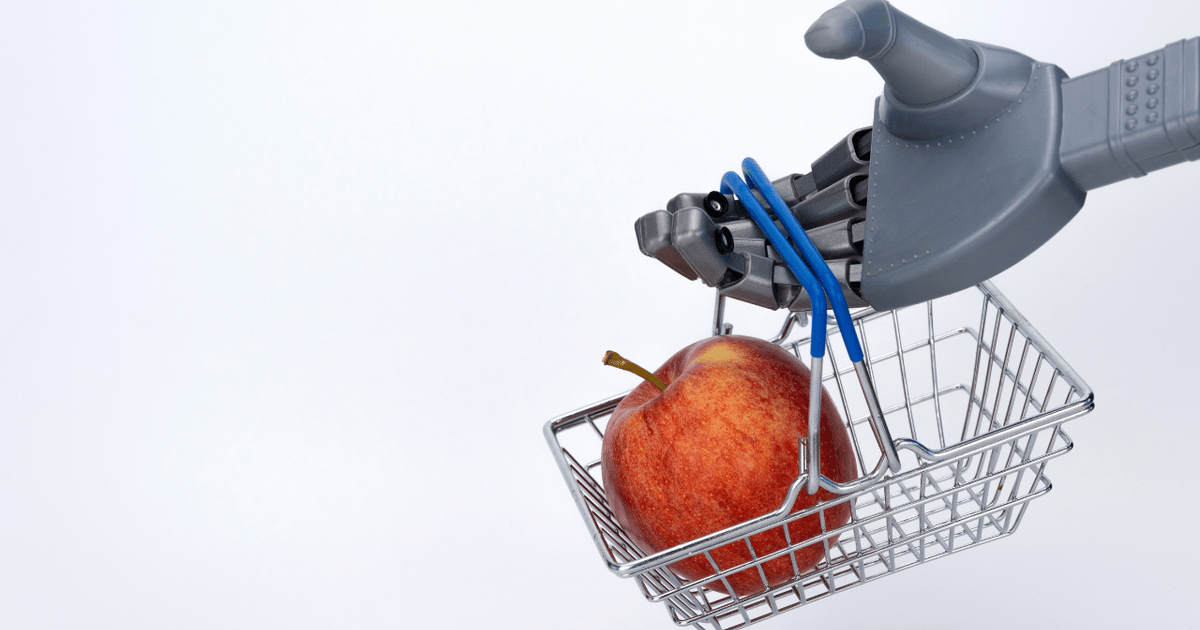
The summit also addressed how AI will reshape demand generation itself. TCC Group executive Julie Lyle said in a presentation on “Loyalty 3.0 and Agenttic Commerce” that the next loyalty battle will occur before the shopping cart is full, as AI agents help shoppers decide where to spend their money. She distinguished between generative AI, which creates content, and agent AI, which can follow goals, compare options, and execute transactions. Grocery purchases are one of the fastest to automate because they are repetitive and rules-based, and if retailers rely solely on convenience and price, order processors may be reduced.
Lyle urged retailers to become “agent-enabled” by simplifying and stabilizing promotions, building structured loyalty through subscriptions and predictable value, and ensuring loyalty data and value propositions are visible to machine decision makers. She argued that as agents compress feature differences between offers, experiential loyalty becomes more important, not less. Cultural partnerships, gamified collection mechanics, and aspirational rewards can create emotional preferences that are difficult for algorithms to optimize and eliminate.
Veteran retail leader Judith Spiers has brought the focus back to the store floor using a framework she calls the Retailer Customer Edge. Retailers don’t lose customers all at once, she said, but one bad experience at a time. Her model started by walking around the store as a customer, observing friction, reducing choice overload and clarifying pricing, and then asked leaders to “look at it, simplify it, solve it, and preserve it.” She cautioned that even in the age of AI personalization and retail media, the front lines are still delivering brands every day.
For grocers, the food industry summit’s throughline was unmistakable. Future growth will come from making it easier for customers to eat better, building loyalty into the decision-making process for both humans and machines, and treating every store visit as a test of whether the retailer truly earned the next visit.


