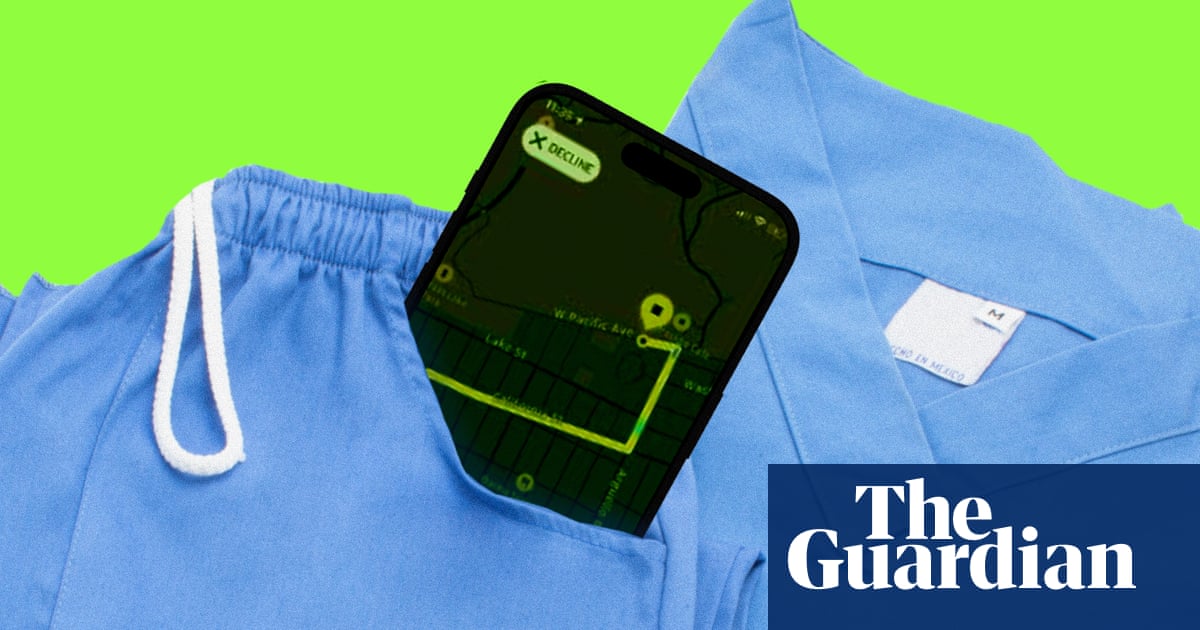
The multibillion-dollar tech platform is aggressively pushing for deregulation of the “Uber for care” industry to expand gig work in the medical field, according to a report released Tuesday.
The AI Now Institute’s report, “Uber for Nursing Part II: How Gig Nursing Companies Are Lobbying States to Deregulator Healthcare,” examines the use of artificial intelligence to staff hospitals and other healthcare facilities.
The report warns that increasing use of this technology will come at the cost of workers’ rights, protections and wages.
As is increasingly the case with rideshare companies, the “Uber for nurses” model relies on artificial intelligence to set pay for shifts, monitor performance metrics, and use that data to determine future job access and pay for employees. The industry also allows nurses to bid for shifts, with the lowest-paid nurse winning the shift.
This model has been profitable for promoters. The three nurse recruitment platforms are valued at $1 billion, the report says, and the companies have received significant investment from private equity firms and secured government contracts to staff public facilities, including Immigration and Customs Enforcement (ICE) detention centers.
“AI is being built into all these human management software systems, and for nurses, that means throwing them into all sorts of places with no orientation, no workers’ compensation, and no way to protect themselves if they have to cancel due to illness,” said report co-author and AI Now senior researcher Dr. Katie J. Wells. “It also means that many of these apps use AI technology to facilitate bidding wars with nurses.”
A screenshot of a quick bid auction from Clipboard Health, a nurse jobs platform, says, “You can select your desired rate as your bid amount, and the lowest bid wins.”
The auction allows gig nurses to bid for shifts at a medical facility at an hourly rate, with the lowest wage bid securing the position.
Clipboard Health also employs a disciplinary point system for gig nurses. This includes demerit points from nurses for canceling shifts. The less notice you give of cancellation, the more points you will deduct, and being late for your shift will result in other demerits.
Wells noted that these trends are increasingly concerning, given that health care is one of the few sectors in the United States experiencing steady and consistent employment growth.
Starting in 2022, lawmakers in at least 17 states have introduced bills aimed at exempting gig nursing platforms from regulations applicable to other medical staffing companies, according to a new report.
Lobbying efforts by gig companies have advanced exemption bills in Colorado, Illinois, Iowa, Louisiana, Minnesota, Missouri, Nevada, and Rhode Island.
Gig platforms are also lobbying for policies that would exempt them from worker protection laws, and these carve-out policies are underway in Georgia, Ohio, California, Pennsylvania, Missouri, and Wisconsin.
Gig nursing platforms are currently exempt from West Virginia’s worker protection law and Louisiana’s unemployment insurance law.
The report likens these lobbying efforts to those of ride-hailing companies seeking to avoid regulation as a transportation or taxi industry.
“Given how far these companies have come, at least beyond 2022, I really hope they can protect healthcare from some kind of more aggressive attacks,” Wells added. “We’ve made tremendous progress in many places on rolling back protections for workers, but also on public safety and patient welfare.”
The industry is also lobbying at the federal level, pushing for legislation to grow and expand “independent work,” including introducing legislation that would allow gig nursing platforms to contract with the government for emergencies and indemnify these platforms for liability for patient injuries.
The report contrasts these legislative pushes with New York state, which passed a law in 2025 requiring these gig platforms to comply with state regulations for medical staffing companies.
“There is a big concern that if this model continues to gain acceptance or continues to become widespread, a lot of work could move in this direction,” Dr. Wells concluded. “We often focus on how AI will replace people’s jobs. Maybe it will. But first, AI will completely degrade jobs and no longer protect you.”