shutter stock
The further you go back into the past, the harder it becomes to study any kind of history because it becomes harder to find accurate data. That is certainly the case when it comes to the study of ancient life on Earth.
Scientists have been able to learn a lot about life on Earth millions of years ago thanks to techniques such as fossils and frozen specimens. But when we try to learn about life at the microscopic level, things get even more difficult.
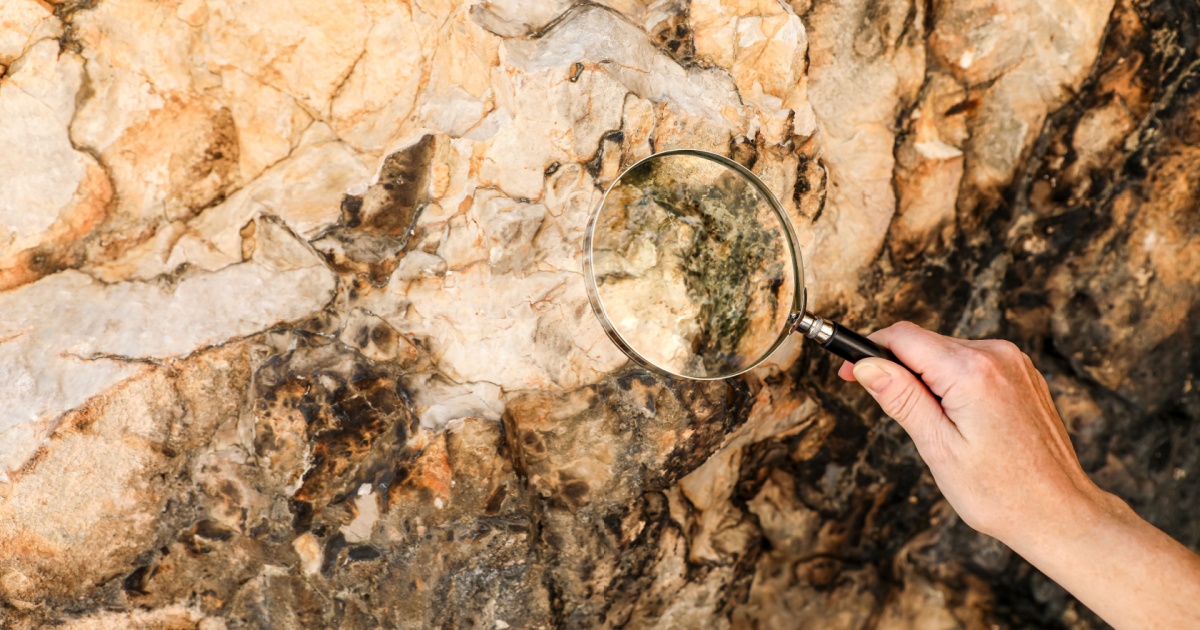
Researchers have discovered a way to go further back than previously possible. This was done by creating machine learning algorithms that can examine rock samples and identify chemical evidence, even in trace amounts.
According to a study published in the Proceedings of the National Academy of Sciences, this algorithm allowed researchers to find evidence of oxygen-producing life in samples from 2.5 billion years ago. They also discovered biological traces dating back 3.3 billion years.
These discoveries push the discovery of life back over a billion years, which is surprising. In a statement about the study, co-author Katie Maloney, an assistant professor at Michigan State University, said:
“Ancient rocks are full of fascinating puzzles that tell the story of life on Earth, but some pieces are always missing. Combining chemical analysis and machine learning has revealed previously unseen biological clues about ancient life.”
shutter stock
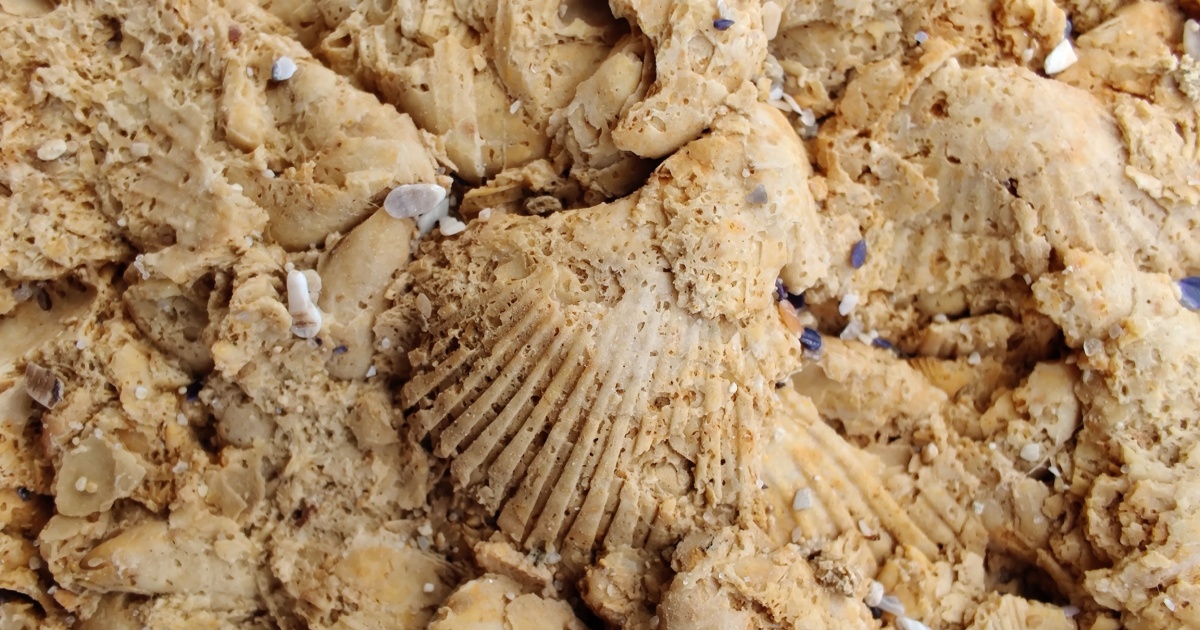
To accomplish this, the researchers trained a machine learning algorithm on how to detect fossilized chemical traces. This was done by ingesting traces of modern animals and plants, as well as organic molecules from meteorites.
The end result is that the algorithm will be able to determine with 90% accuracy whether or not life is present within the sample.
This will allow researchers to look for traces of molecules in rocks much older than previously possible. Moreover, in the future, the same algorithm could be used to search for life on Mars and other planets. Ms. Maloney said:
“This innovative technology will help us read the deep-time fossil record in new ways, which could help guide the search for life on other planets.”
The ability to search for life in the distant past could help solve many mysteries about when and how life formed on Earth.
If you enjoyed that story, check out what happened then
Email this
subscribe to email