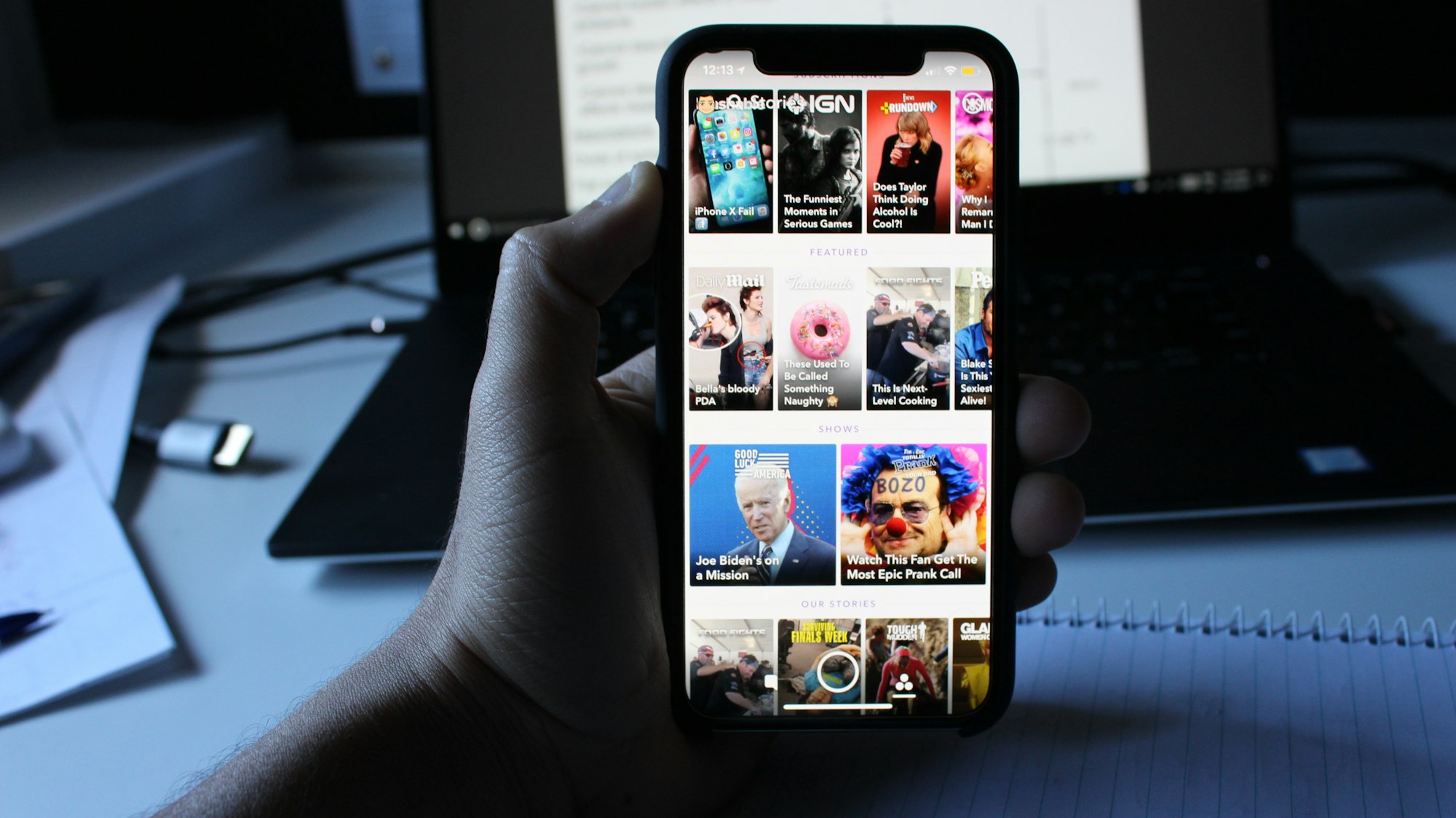
A group of popular YouTubers has expanded their ongoing legal battle over AI and copyright to include Snapchat’s parent company, Snap. The plaintiffs allege that Snap used its videos without permission to train its AI models, including features such as the app’s Imagine Lens, which allows users to generate and edit images using text prompts.
The case is the latest chapter in a larger wave of lawsuits targeting AI companies over the use of copyrighted content. YouTubers claim that Snap, like other tech giants, included their videos in large video language datasets intended solely for academic research purposes, such as HD-VILA-100M. The complaint alleges that Snap circumvented YouTube’s technical restrictions, violated YouTube’s Terms of Service, and also violated licensing restrictions that expressly prohibit commercial use.
Snapchat adds new Family Center tool to help parents monitor teen activity
The feature comes as scrutiny continues to grow over teen mental health and platform liability.
Who is behind the lawsuit?
The plaintiffs include a mix of well-known and niche creators, with a combined total of more than 6.2 million subscribers. Leading the way is the team behind the h3h3 YouTube channel, which has 5.52 million subscribers. Joining them are MrShortGame Golf and Golfholics, smaller channels focused on golf content.
The lawsuit is a proposed class action lawsuit filed last Friday in the U.S. District Court for the Central District of California. It is seeking both statutory damages and a permanent injunction to prevent Snap from continuing to use creators’ content for AI training.
Snap is not the first company to face legal scrutiny for using copyrighted content to train AI. Previous lawsuits have targeted major companies including Meta, Nvidia and ByteDance, highlighting the growing tensions between content creators and AI developers. According to the Copyright Alliance, more than 70 copyright infringement lawsuits have now been filed against AI companies, including publishers, authors, artists, newspapers, and other creators.
Some of these cases have already seen mixed results. For example, a judge recently ruled in Meta’s favor in a dispute with authors, but AI research company Anthropic settled with the authors and paid damages to resolve the plaintiffs’ claims. Many other cases remain actively litigated, reflecting the complex legal landscape as AI technology continues to evolve.
takeout
This latest lawsuit against Snap highlights growing concerns in the creator community. AI companies are increasingly using user-generated content to train models without explicit consent or compensation. As AI tools like Snap’s Imagine Lens and similar platforms become more sophisticated, legal disputes over copyright and content ownership are likely to intensify.
For creators, this case is both a warning and an opportunity. The caveat is that your content may be used in ways you didn’t intend, but that opportunity could assert your rights and shape the future of AI ethics and content usage. For technology companies, this is a reminder that compliance with copyright law is not optional as AI adoption increases. It is important to avoid legal and reputational risks.
Snapchat MyAI vs. Meta AI on WhatsApp
WhatsApp’s Snapchat MyAI and Meta AI bring AI directly into chats, but each works differently and offers unique features suitable for everyday use.