
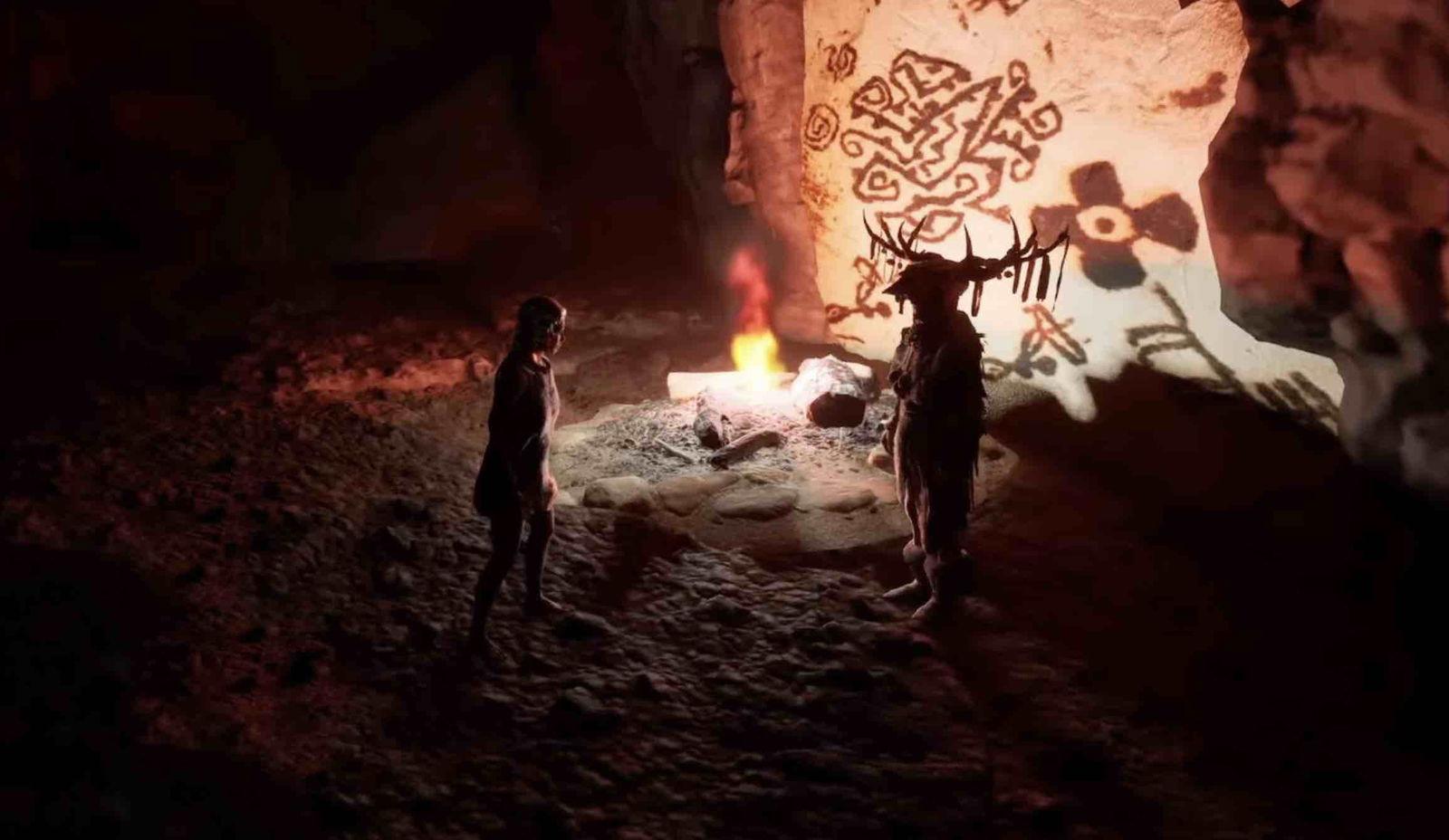
Scientists from the Universities of Copenhagen and Bergen are combining anthropology and cutting-edge AI to create an educational video game about life in Stone Age Europe.
The University of Copenhagen-led project will demonstrate how researchers can use freely available digital tools to create immersive research-based experiences without the high costs and technical barriers that once made such efforts difficult to achieve.
For decades, museums and cultural heritage institutions have relied on audiovisual displays to help viewers connect with history. In the past, interactive historical games were often expensive to produce, typically requiring large commercial studios to develop titles such as: assassin's creed or civilization.
Visual spectacle often took precedence over historical accuracy. Now, researchers say the rise of AI tools could help recalibrate that relationship and make historically grounded experiences more accessible.
By combining Unreal Engine, a free AI platform, and online tutorials, the research team quickly developed a dynamic 3D game at minimal cost. According to Mikkel Nortoft, an archaeologist at the University of Copenhagen, this approach has the potential to “revolutionize digital cultural heritage communication.”
“We believe that these free tools, now available to everyone, can change the way we tell the story of the past,” Nortoft said. “Our research article provides other professionals with a practical recipe for getting started with digital storytelling without expending huge resources.”
game Focusing on research projects on the deep history of immigration, Neolithic period in northern Europe. It is built around detailed video recordings of two well-preserved long dolmens at Lindeskopf Hestehave on the Danish island of Fyn. Players interactively explore virtual sites and learn about Stone Age funerary monuments through participation rather than passive observation.
One feature that researchers think will particularly appeal to viewers is the game's AI-driven characters. Players can talk to two characters: a modern-day archaeologist and a Stone Age woman known as “Dolmen Debbie.” Previously, such characters relied on limited, pre-written dialogue. However, with the integration of AI, characters can now react more dynamically, drawing on the background story and archaeological knowledge provided by the research team.
This system allows characters to respond naturally in English and multiple other languages, and ensures that all content is based on peer-reviewed research. The platform's flexibility allows researchers to update information as they discover, allowing the game to evolve along with scientific understanding.

“Our game shows what is technically possible even with limited experience,” says Nortoft. “With a little help, most people can learn to build simple scenarios with characters in just a few days.”
Researchers say this intersection of gaming and archeology has the potential to change the way history is shared and understood around the world. Lowering cost and technological barriers can make accurate and engaging educational storytelling more accessible to institutions and audiences.
A research paper detailing this project has been published by Cambridge University Press.
Chrissy Newton is a PR professional and founder of VOCAB Communications. She currently appears on Discovery Channel and Max, A defiantly curious podcast, can be found at YouTube Also available on all audio podcast streaming platforms. Follow her on X: @ChrissyNewton Instagram: @ChrissyNewtonand chrissynewton.com. To contact Chrissy with a story, email chrissy @ thedebrief.org.


