Videos and photos generated using AI are easy to find with the right watermark, and Google is now making it easier with new tools to help identify manipulated content. Gemini is currently available in Google products like Gmail and Docs, but the company is serving up AI models for the greater good, helping people distinguish between the real thing and something generated using available AI tools, thanks to the latest AI watermarking technology adopted by many companies. (file photo)
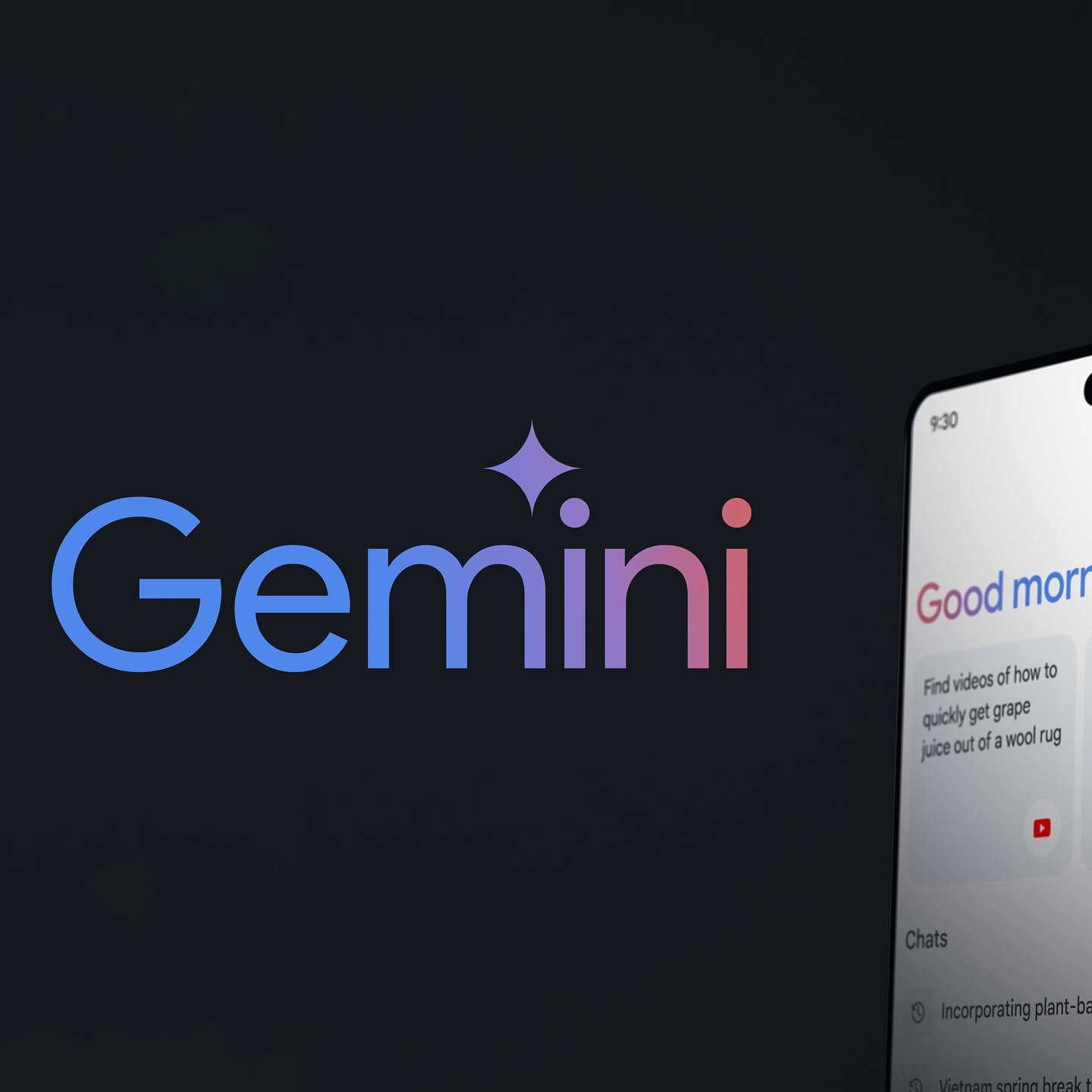
Gemini AI video or not: Open the Gemini app on your phone and upload the video or image you want the AI model to verify your content. Video file size cannot exceed 100MB and length is 90 seconds. (File photo)
Have Gemini check: Now, simply ask Gemini to validate your video using questions like “Was this generated using Google AI?” Or, it could say “This was generated by AI” if you think another app was used to create it. (File photo)
SynthID effects: Gemini can scan videos for SynthID watermarks present in both audio and visual content. Google trained Gemini to use SynthID markings to analyze content and identify AI-generated parts. The AI model tells the user where the AI tool was used in the video and for how long. (File photo)
How Gemini scans SynthID: Google and other technology companies have developed SynthID, which can only be detected by AI models and their tools. These watermarks are invisible to humans, making it difficult to remove their traces in content. (File photo)

Google advances AI-level scanning: Google introduced SynthID in 2023, and since then, more than 20 billion pieces of content generated using AI tools have been watermarked with the technology. That's not all. Google works with third-party companies to watermark their AI-generated content to improve transparency and scanning. (file photo)