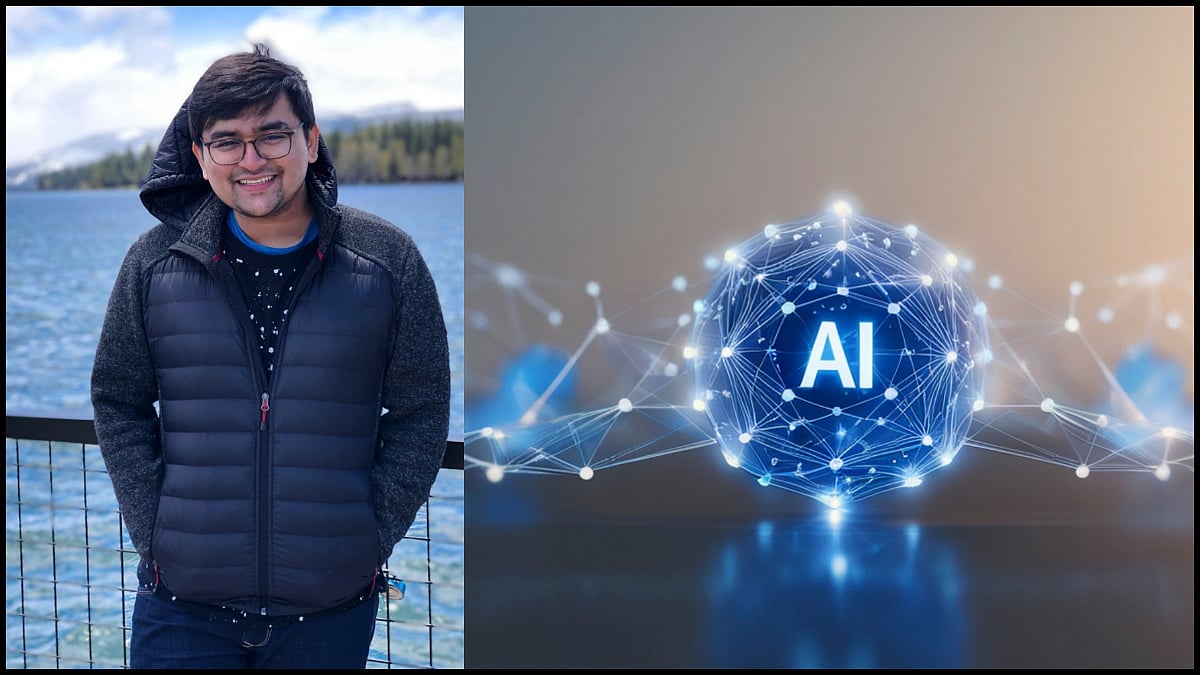
Sahaj Tushar Gandhi is a machine learning engineer specializing in computer vision and AI applications, working across academia and industry. He holds a master's degree in computer science with specialization in computer vision, deep learning, and artificial intelligence from Rochester Institute of Technology and a bachelor's degree in information technology from Veermata Jijabai Institute of Technology, Mumbai. He works on autonomous vehicles, cybersecurity, and document intelligence, and is responsible for algorithm development, system architecture, and strategic AI implementation.
Passionate about the power of AI and computer vision
Sahaj's passion for artificial intelligence and computer vision stems from his belief in the power of technology to solve complex real-world problems. His engineering background, combined with his desire to leverage machine learning into practical solutions, led him to focus on computer vision applications. This field offers a unique opportunity to create systems that can recognize and understand visual information, improve human performance, and actively contribute to technological advances across multiple industries.
Balancing research and engineering pragmatism to manage complex AI projects. He uses advanced development frameworks to assess project requirements, technical constraints, and business objectives, create detailed architectures, and break down complex systems into manageable components. Regular cross-functional collaboration ensures technical feasibility, performance optimization, and alignment with stakeholder expectations across all deliverables.
Overcoming challenges in AI research and deployment
Key challenges in AI project management include navigating the intersection of cutting-edge research and production-ready systems. Mr. Sahaj addresses this issue by maintaining deep technical knowledge while building strong relationships with the research community and industry stakeholders. By staying up-to-date with new algorithms and frameworks, we ensure that implemented solutions take advantage of the latest advances while meeting reliability and performance requirements. Additionally, managing stakeholder expectations in AI projects requires clear communication about capabilities, limitations, and realistic timelines to maintain trust and alignment.
To measure the success of AI projects, Sahaj tracks multiple key performance metrics, including model accuracy, system performance, and deployment reliability. While metrics such as inference speed, resource utilization, and user satisfaction are important for assessing real-world impact, technical benchmarks such as precision, recall, and robustness remain fundamental measures of algorithm success. Monitoring your model's performance in production over time provides insight into your system's sustainability and effectiveness.
Innovation is at the heart of Sahaj's engineering philosophy. He fosters an environment where technical exploration and creative problem solving are encouraged. By staying involved in research publications, experimenting with new frameworks, and contributing to open source projects, we foster a culture of continuous learning and improvement. His openness to new approaches and willingness to challenge traditional solutions drives breakthrough innovations in computer vision applications.
Working with multidisciplinary teams has been both rewarding and essential throughout Sahaj's career. Working with software engineers, data scientists, product managers, and domain experts requires clear technical communication to coordinate complex requirements and development schedules. Regular technical discussions, document sharing, and collaborative prototyping help unify diverse perspectives and strengthen cross-functional understanding.
Problem solving and tackling technical challenges
Sahaj approaches technical challenges with a focus on systematic problem solving and collaborative innovation. By encouraging team members to share insights and suggest alternative approaches, we turn complex technical obstacles into creative solutions and opportunities for team growth. His experience across a variety of domains, from self-driving cars to document intelligence, provides a valuable perspective for addressing a variety of technical challenges.
The future of AI: multimodal systems and emerging technologies
Going forward, Sahaj expects to see significant advances in areas such as multimodal AI systems, increasing the efficiency of deep learning architectures, and strengthening the integration of computer vision and natural language processing. Developments in edge computing, federated learning, and automated machine learning are expected to democratize AI deployment and optimize resource utilization across a variety of applications.
Research and development remains the cornerstone of Sahaj's approach to AI engineering. He maintains active engagement with academic publications, contributes to research projects, and implements proof-of-concept systems to evaluate new technologies. This research-driven approach ensures that you benefit from the latest scientific advances in real-world implementation, while contributing to the broader AI community through knowledge sharing and collaboration.
Sahaj also addresses emerging trends in AI applications, including the growing importance of explainable AI, ethical considerations in deploying machine learning, and integrating AI systems with existing enterprise infrastructure. Additionally, evolving regulatory frameworks and innovation in AI safety will play a key role in shaping responsible AI development and deployment practices.
Shaping the future of vision language intelligence
The convergence of computer vision and other AI modalities offers exciting opportunities to create more sophisticated and capable intelligent systems. Mr. Sahaj's work at the intersection of vision, language, and analytical capabilities positions him to contribute to next-generation AI applications that can address complex challenges that require expertise in multiple types of artificial intelligence. His experience in both research and practice provides a valuable foundation for navigating this evolving landscape.