
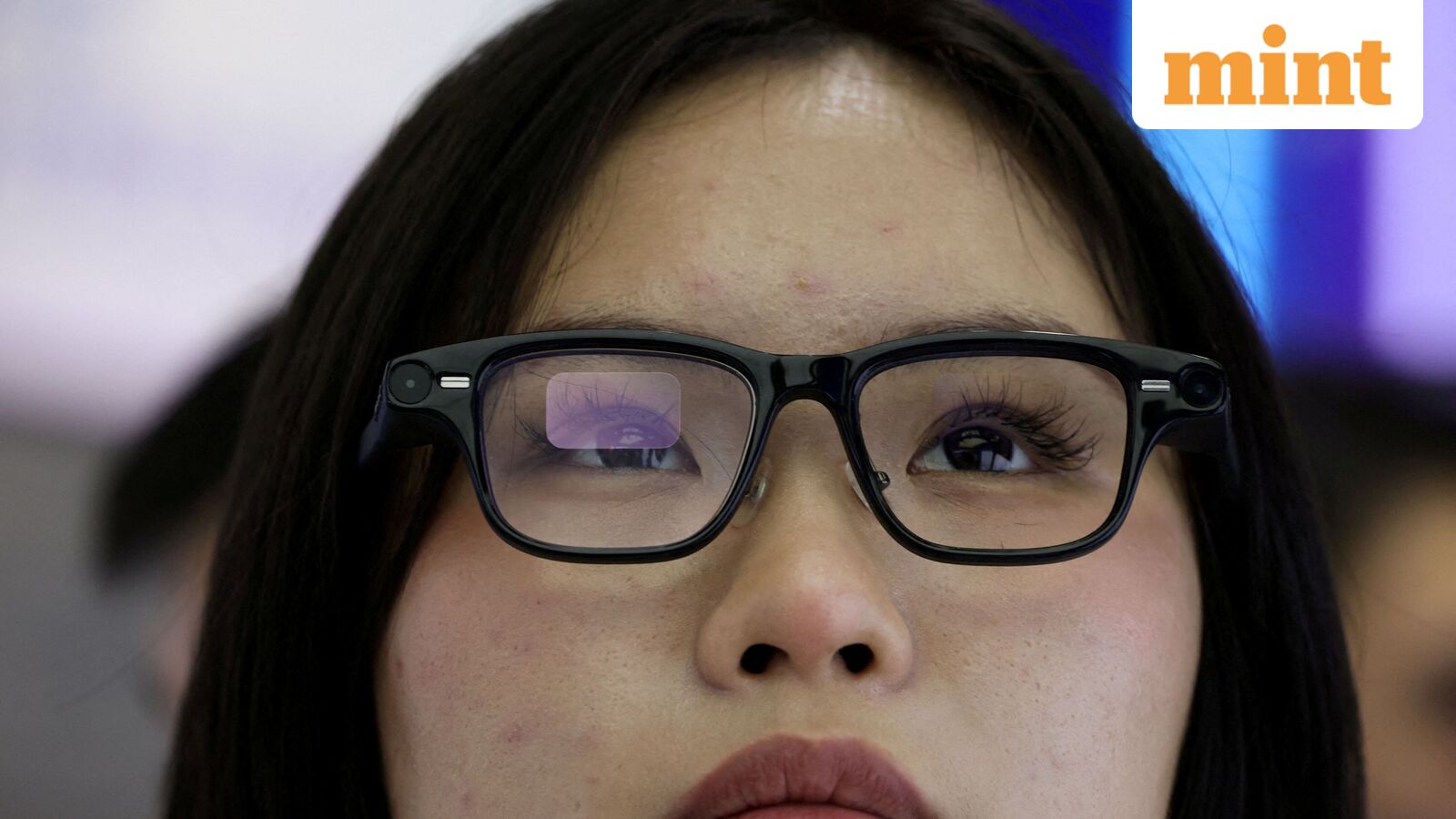
China’s Alibaba has launched new artificial intelligence glasses Quark in China to counter Meta’s dominance in the wearable AI accessories space. The new glasses are integrated with the Qwen AI model, allowing users to say “Hello Qwen” at any time or talk to the AI via touch controls.
Unlike Metaglass, which features a sunglass-like design, Quark looks like regular glasses. Quark glasses come in three variations, all of which are powered by Qwen AI. The company claims that the new glasses combine audio and vision to enable real-time AI interactions, providing intelligent hands-free assistance in daily life.
What can Alibaba Quark AI glasses do?
Alibaba says its new AI glasses can perform instant price recognition, on-the-go translation, near-sighted navigation, AI-generated meeting notes, and even AI-powered search on both text and images.
The new glasses also have enough context-aware capabilities to set reminders for users, act as a live teleprompter, find nearby spots and manage their schedules. The glasses are also deeply integrated with China’s Alibaba ecosystem such as Alipay, Amap, Taobao, and Fliggy, as well as Chinese music streaming platforms such as QQ Music and NetEase Cloud Music.
The company claims Quark AI glasses can provide a unified experience across shopping, travel, payments, music, and productivity.
The glasses also support Model Context Protocol (MCP), allowing third-party developers to build for the platform.
quark glasses price
Quark glasses come in two variants: the flagship S1 model and the G1 model.
The Quark Glasses S1 costs 3,799 yen ($537) and is powered by a Snapdragon AR1 processor and an unnamed coprocessor. It also has a dual replaceable system and the company says it can deliver 24 hours of battery life.
The S1 features dual micro-OLED displays and an instant photo capture speed of 0.6 seconds. It can record up to 3K video and has the option to use AI to enhance footage to 4K.
As for the G1, it costs 1,899 yen ($268) and weighs just 40 grams. Entry-level glasses lack many key features such as display, audio, imaging, and AI features.


