
Warner Music Group (WMG) is launching an artificial intelligence (AI) music venture with technology startup Suno, one year after suing the company in a landmark lawsuit.
As part of the settlement agreement between the two companies, Warner will allow users to create AI-generated music on Suno using the voices, names and likenesses of artists who have opted into the program.
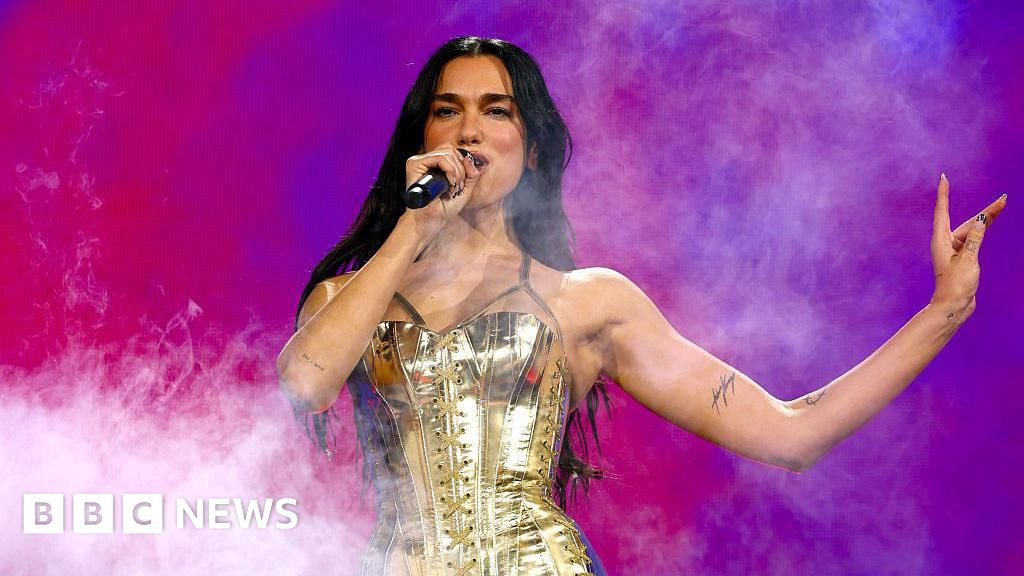
The record label, which represents artists such as Dua Lipa, Coldplay and Ed Sheeran, was one of several music giants, including Sony Music, that sued a similar platform called Suno and Udio.
AI-generated content has been controversial, with many artists raising concerns that it could undermine human songwriters.
Starting next year, Suno will roll out a new advanced licensing model for its generative AI music platform that allows users to create music based on simple instructions, Warner said in a statement.
The Massachusetts-based company has about 100 million users and was founded two years ago.
Warner said Suno’s 2026 model will replace the existing version and will require users to pay for audio downloads. Songs from the service’s free tier can still be played and shared.
Warner said the “first-of-its-kind partnership” will open “new frontiers” in music production while ensuring compensation for the creative community.
“Artists and songwriters will have complete control over whether and how their names, images, likenesses, voices and songs are used in new AI-generated music,” Warner said. It was not disclosed which artists participated in the program.
“This agreement also resolves previous litigation between the two companies,” it added.
Suno was sued by music giants Warner, Sony Music Entertainment, and Universal Music Group, along with another AI company with a similar platform called Udio. The lawsuit was announced in 2024 by the Recording Industry Association of America, and the BBC has contacted the association for comment.
The labels accused Udio and Suno of profiting from copying existing songs, and claimed that both platforms produced tracks that were indistinguishable from the work of real artists.
The companies described the use of AI as “grand theft” and part of a trend threatening the music ecosystem.
The legal battle began just months after nearly 200 artists, including Billie Eilish and Nicki Minaj, signed a letter calling for an end to the “predatory” use of AI in the music industry.
Proponents of generative AI work compare computer machine learning to the way humans learn by reading, listening, and watching past works.


