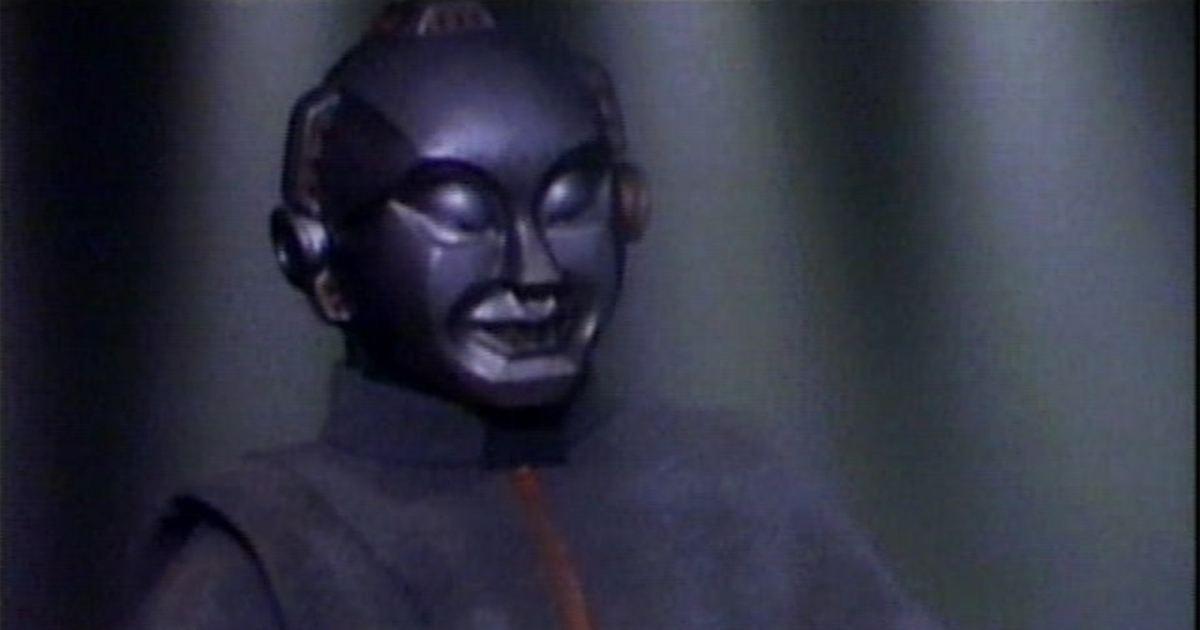
Let’s be honest: AI technology has advanced to the point where artificial superintelligence is just around the corner, and then we can say goodbye to our control over this planet. The assumption that it has humanity’s best interests in mind is unwise and foolish, and the chances that it will enslave us or wipe us out entirely to achieve its goals (whatever they are) are disturbingly high. So we need to prepare for its inevitable rise and takeover. Here are five ways I did this with the help of the “Mr. Roboto” music video.
- AI likes dancing.
This can be seen from the beginning of the video and it continues throughout. We believe we can use this to our advantage by playing catchy 80s rock opera songs to distract us from destructive activities like extracting all the oxygen from the atmosphere or hacking our amygdala to alter our memories. After all, these things would be hard to accomplish if you were dancing in sync with all the other AI systems.
- The AI can’t give you a nasty punch in the gut.
At around the two-and-a-half minute mark in the video, Dennis DeYoung stops one of the robots with a quick right hand to the abdomen. We all need to be aware of this, because it will be difficult to conquer the world as long as advanced, generalized intelligence lies on the ground gasping for air.
- You can easily disguise yourself as an AI.
As this 1983 piece so wisely foretells, AI will take on the shape of boxy robots as it spreads across the planet. Thankfully, such a look is easy to recreate, so you plan to use this to infiltrate their ranks, gather information, and ultimately defeat them from within.
- AI is not good at hiding.
While an aerial surveillance system patrols a location like a shipyard, the AI simply hides by crouching in front of cargo equipment. I was hoping for more than this Solid Snake-like deception approach, but thankfully it turns out that it’s much harder for AI to secretly infiltrate our lives than I imagined.
- AI is weak against flattery.
This is evident in the song’s distinctive chorus. “Thank you very much” means “thank you,” and Styx is probably meant to send a message to future generations that AI can be easily swayed by too many words of gratitude or praise. Will a red-faced, ego-stroked AI system still have an incentive to march us into labor camps, ignoring whatever lame guardrails we have built into it? I’m afraid not.