With AI video tools like OpenAI's Sora and Google's Veo making it possible to create realistic videos with sound in seconds, determining whether a convincing clip is real is becoming increasingly difficult, even for experienced internet users.
While there is no single way to reliably identify AI-generated footage every time, the following warning signs can help.
Find watermark
Many AI companies watermark content to indicate that it was generated. For example, videos created using Sora include a white cloud-shaped logo that moves along the edge of the frame. CNET.
Content creators have found ways to remove these marks. As a result, viewers should look carefully near corners and edges for blurry specks, light smears, or soft squares that are slightly out of focus. These may indicate that the watermark has been removed.
Check with AI detection app
The rise of AI video generators has increased the demand for detection tools. Apps like CloudSEK's Deepfake Analyzer evaluate linked videos and estimate the likelihood that the footage is artificial. PCMag Reported.
If your video doesn't pass such tests, it's likely that it was generated by AI. However, detection tools are not foolproof. Videos that have been modified, compressed, or processed through third-party apps may evade detection.
 |
|
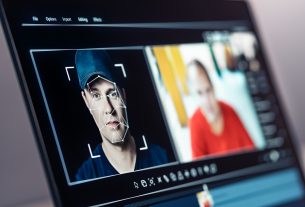
AI video tools like OpenAI's Sora and Google's Veo can now generate realistic and entertaining videos. Illustration photo from Pexels |
Look carefully and listen carefully
AI still struggles with natural camera movement. While real handheld footage typically has slight, uneven movement, AI-generated clips often have too smooth movement, as if the camera were sliding on rails. USA Today he pointed out.
Audio may also reveal discrepancies. Voices and footsteps may be out of sync, and background noise may sound unnaturally clear. Text is also a weak point, with letters on signs, books, and whiteboards often appearing distorted, changing between scenes, or being nonsense.
Pay attention to video resolution
Low resolution could be another clue. Live streams, gameplay footage, and modern cell phone video rarely go below 1080p. Many AI-generated clips will still display at 720p or lower.
Fake “body camera” or “security camera” videos are proliferating online as grainy, low-quality visuals help hide flaws in the AI. If the footage resembles police body camera or doorbell recordings, a closer investigation is warranted.
Please check the source
Viewers can capture a still image and perform a reverse search, such as through Google Lens, to see if they can identify the original source. If the source is clear and widely referenced, the footage is more likely to be authentic. If not, it may have been generated by AI.
Videos posted by accounts with no profile, posting history, or clear location should be treated with caution, as they are often fictional or misleading.
Please continue to be cautious
The only reliable way to know if a video is generated by AI is if the creator makes it public. Many social media platforms now allow users to label posts with AI-generated labels.
There is no reliable way to identify AI-generated videos at a glance. The most reliable defense is skepticism. As AI technology continues to improve, obvious visual cues will disappear over time. The best way to avoid misunderstandings is to monitor multiple red flags at the same time.