
More than 11,000 previously undetected earthquakes have provided scientists with an unprecedented look beneath the Klyuchevskoy volcanic complex on Russia’s Kamchatka Peninsula. The Klyuchevskoy Volcanic Group is one of the largest and most active subduction zone volcanoes in the world. By applying machine learning techniques to seismic records collected between 2015 and 2016, researchers discovered nearly 14 times as many earthquakes as previously hand-compiled catalogs and were able to map hidden magma pathways that extend from deep in the Earth’s crust to active volcanoes on the surface. Newly detected seismic activity provides one of the clearest images yet of how magma and volcanic fluids move beneath this complex volcanic system, according to a study published in Geophysical Research Letters.
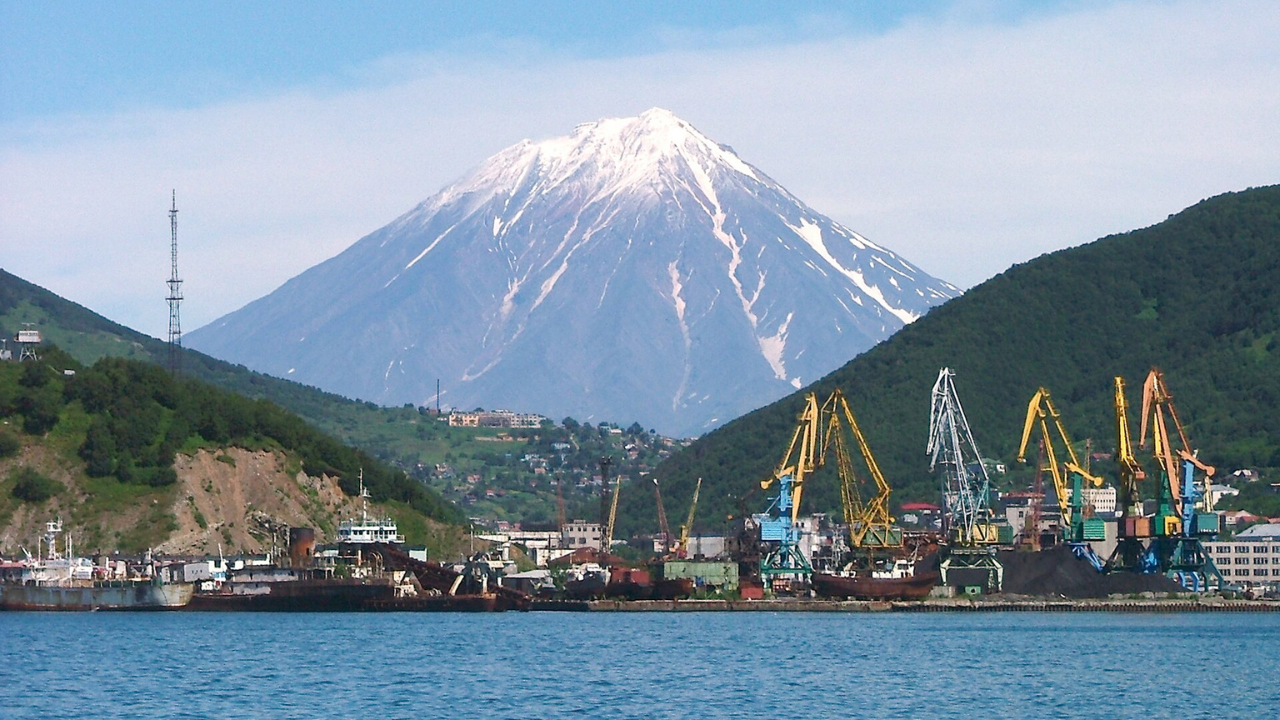
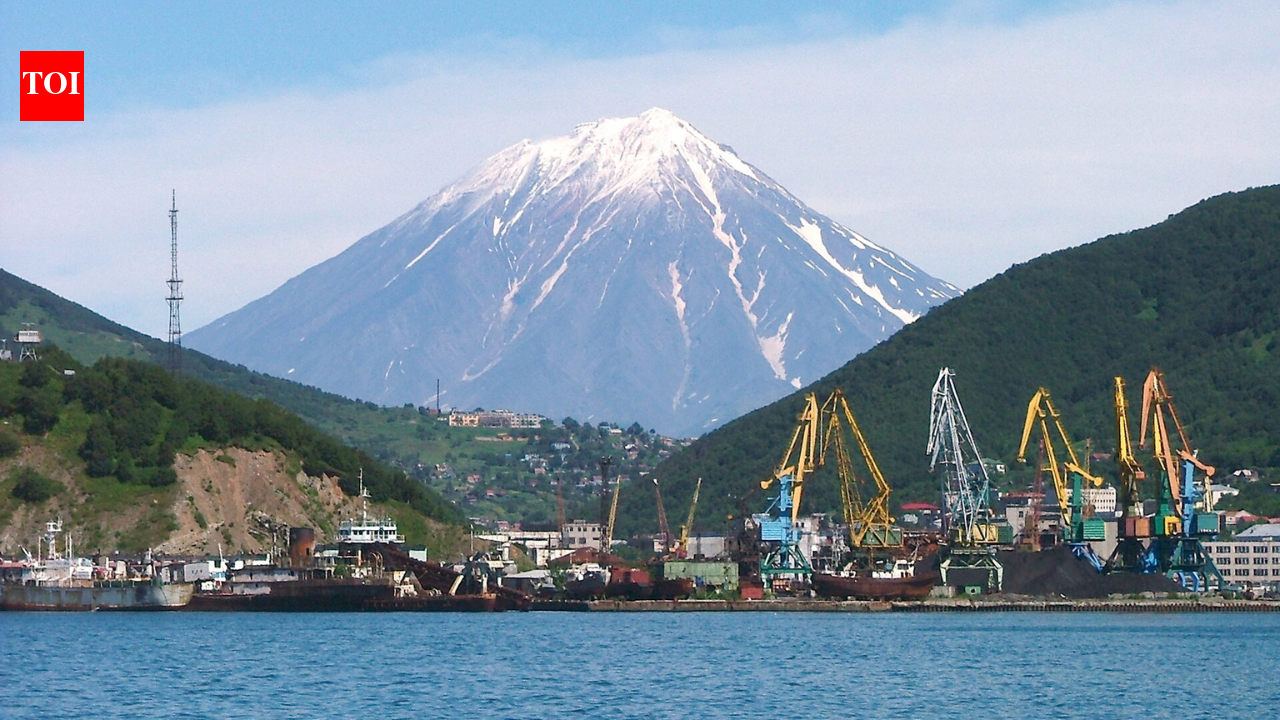
The port of Petropavlovsk-Kamchatsky viewed from Avacha Bay with Mount Kolyaksky rising in the background. |Wikimedia Commons
machine learning Discovered thousands of small earthquakes that humans missedThe researchers analyzed data from the Klyuchevskoy Survey – Seismic Structure of Unusual Volcanic Systems (KISS) experiment using machine learning software that can identify extremely small earthquakes hidden in continuous earthquake records. This approach detected 11,213 earthquakes over an 11-month period, compared to only a few hundred in the previous regional catalog. The enhanced catalog showed that seismic activity under the Klyuchevskoy, Tolbachik and Ushkovsky volcanoes is not randomly distributed, but organized into dense bursts, the researchers said. Many of the newly identified earthquakes occurred at depths and locations where traditional monitoring had recorded little or no activity, exposing continuous structures connecting deep magma reservoirs and shallow volcanic systems. A hidden conduit that follows the route taken by magma.By taking a closer look at the newly detected earthquakes, researchers were able to distinguish between volcanic tectonic earthquakes, which are caused by the rupture of rock, and long-period earthquakes, which are typically associated with the movement of magma, volcanic gases, or pressurized fluids. According to the study, long-period events dominated the earthquake catalog, spread across much of the Earth’s crust, and formed vertical conduit-like structures beneath some of the group’s volcanoes. One previously unknown cluster was identified under the Ushkovsky volcano, while activity under Klyuchevskoy formed an almost continuous path from a depth of nearly 50 kilometers to near the surface. The researchers also found that these volcanic earthquakes follow a different statistical pattern than normal tectonic earthquakes, reinforcing the idea that they are caused by fluid pressure rather than just fault rupture.
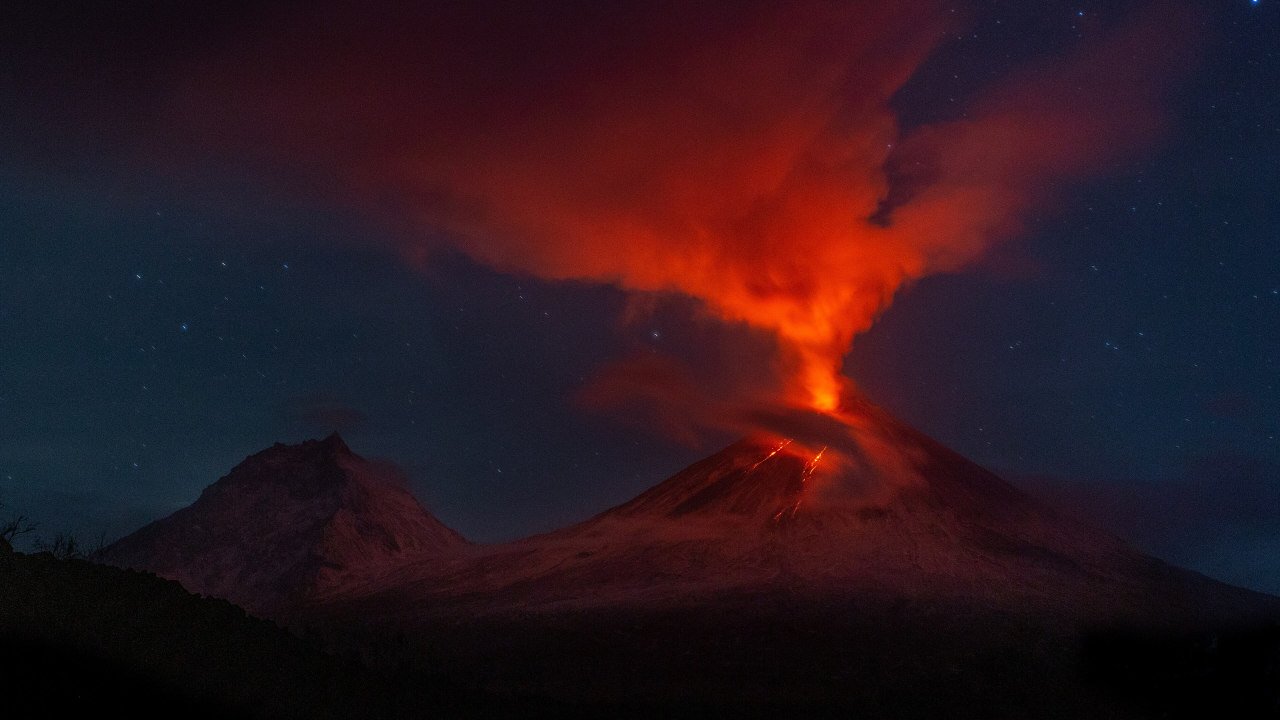
Eruption of Klyuchevskaya Sopka | Wikimedia Commons
Early changes deep underground may precede volcanic disruptionsThe researchers found that significant bursts of shallow earthquakes were preceded by consistent increases in deep long-period seismicity. This pattern is consistent with the expected behavior of magma or fluid pressure rising through the Earth’s crust. Although the results of this study do not provide a reliable system for predicting volcanic eruptions, they do provide scientists with a more nuanced and detailed framework for understanding and interpreting the subtle changes that occur beneath active volcanoes. The enhanced earthquake catalog will allow volcanologists to distinguish between normal background seismic activity and distinct patterns that may indicate changing conditions within the volcanic plumbing system. Additionally, as machine learning technology continues to advance and develop, it will play an increasingly important role in volcano monitoring, especially in recognizing micro-seismic phenomena that are often overlooked by traditional methods.


