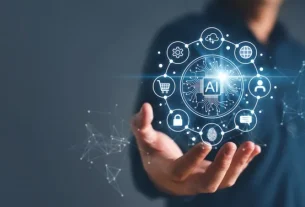
AI has the potential to impact nearly every aspect of retail operations, including customer service, inventory management, and even real estate operations.
1. Personalized customer experience
Online and brick-and-mortar department stores use AI to analyze data from various combined data repositories, such as order history, browsing history, and loyalty programs, to personalize and improve the relevance of marketing messages. Clothing retailers are using AI-powered chatbots to provide more relevant recommendations by facilitating conversations with customers online or over the phone about where and how they plan to wear their new coats.
2. Improved cross-selling opportunities
As supply chains continue to be disrupted by a variety of factors, including crop failures, trucker strikes, and geopolitical upheaval, grocery retailers are being forced to rethink their fulfillment models and assortments to meet consumer demand. Grocers will increasingly align planning decisions with demand forecasting, inventory management, and inbound flow (verifying goods received against purchase orders).
3. Automatic inventory management
A small grocery store chain is using AI to minimize waste by determining the right time to stock and discard dairy and other perishables on store shelves. A major European supermarket, where people tend to shop during their lunch break, is using AI to help with multiple restocks throughout the day.
4. Demand forecasting
Retailers can use AI to better predict demand for specific items across regions by capturing and analyzing data about other items, data from stores with similar demographics, and third-party data such as weather and income levels. A national pharmacy recently used AI to track and predict demand for specific vaccines based on national trends reported to the federal government.
5. Smooth shopping
Retailers are combining AI with video and sensor data to eliminate point-of-sale areas, allowing customers to take items off store shelves, put them in their shopping carts, and walk out of the store without waiting in the checkout line. Removing checkout lanes and POS equipment frees up floor space for displaying more merchandise. A national supermarket chain uses AI to visually scan and bill items with unreadable barcodes.
6. Optimized pricing
Retailers can use AI to analyze data about competitor prices for the same or comparable products, local demographics, and the impact of advertising and other promotions to determine the highest price they can charge for a product without alienating shoppers. Given that most customers prefer to shop in one place, it’s more than just a one-time purchase. If you set your prices too high, certain customers may abandon their entire shopping cart and go to a competitor’s store or website. Pricing a product too low will reduce profits and, in some cases, reduce the value of the product.
7. Dynamic merchandising
Retailers use AI to recommend products that accompany the products a customer searches for online or already has in their shopping cart, based on the customer’s purchase history and what other customers with similar profiles have purchased together. A cosmetics retail chain uses AI to help customers choose makeup colors and shades that match their skin. Brick-and-mortar stores can use AI to ensure that they can offer promotions on slow-selling items, even on a single day, while stopping promotions on items that are selling well on their own, and quickly change course if needed. Retailers can also use AI to compare the results of these choices from one store location to another (A/B testing) and adjust accordingly.
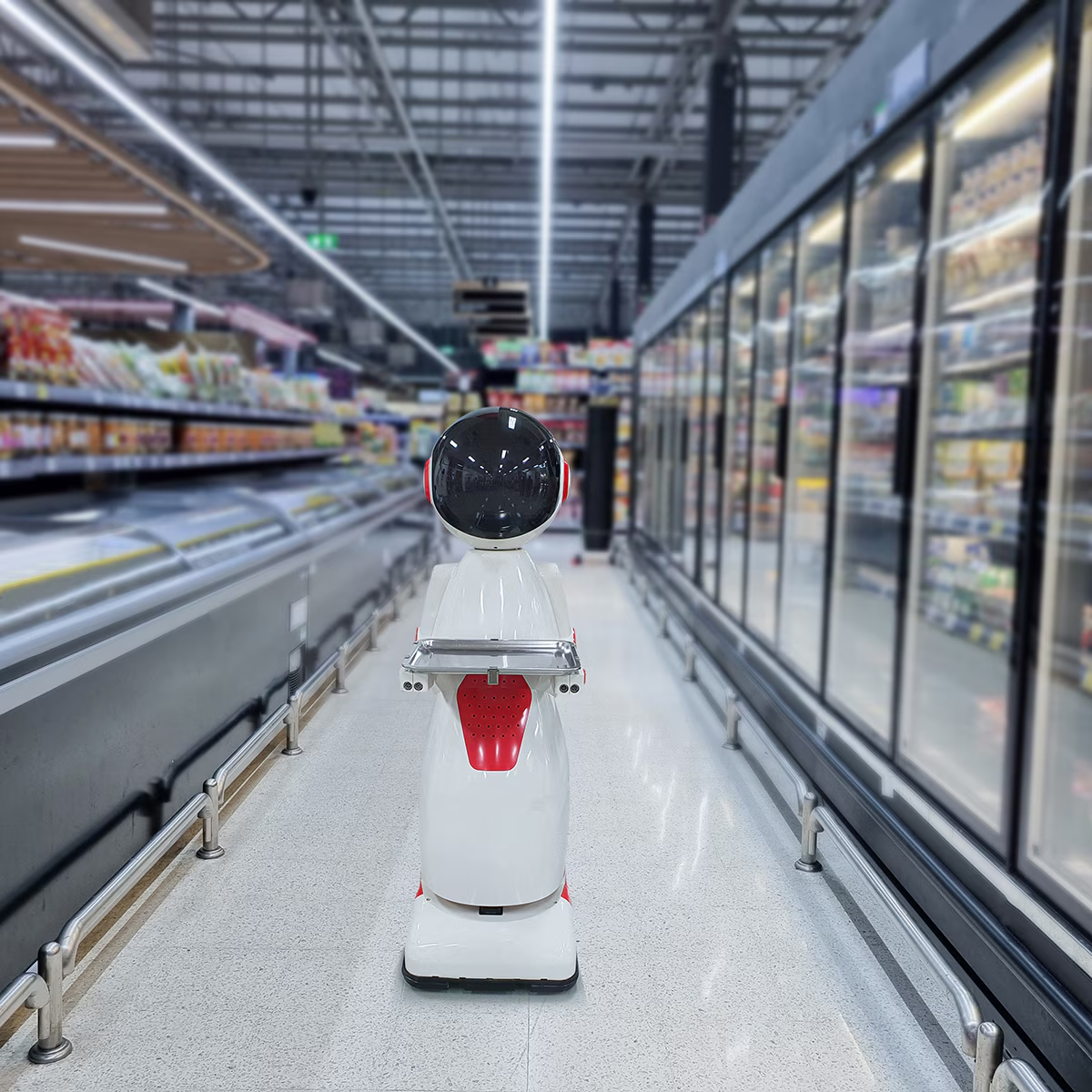
8. In-store robot
By combining AI with video cameras and shelf sensors, retailers can better understand in-store foot traffic and increase sales per square foot. The technology accomplishes this by identifying products that customers never linger on and recommending retailers replace them with more appealing items. AI can also generate targeted promotions for specific products on a shopper’s mobile device when the shopper is in the right location in the store. This technology can also help retailers improve the way they cluster products.
9. Smart Store
By combining AI with video cameras and shelf sensors, retailers can better understand in-store foot traffic and increase sales per square foot. The technology accomplishes this by identifying products that customers never linger on and recommending retailers replace them with more appealing items. AI can also generate targeted promotions for specific products on a shopper’s mobile device when the shopper is in the right location in the store. This technology can also help retailers improve the way they cluster products.
10. Supply chain optimization
With supply chains disrupted by various weather, geopolitical, labor, health, and other reasons, retailers face additional challenges in keeping popular products in stock at affordable prices. One convenience store chain used machine learning, a type of AI, to understand hundreds of factors that impact its supply chain and, in turn, product availability, including weather, current events, and influencer posts.