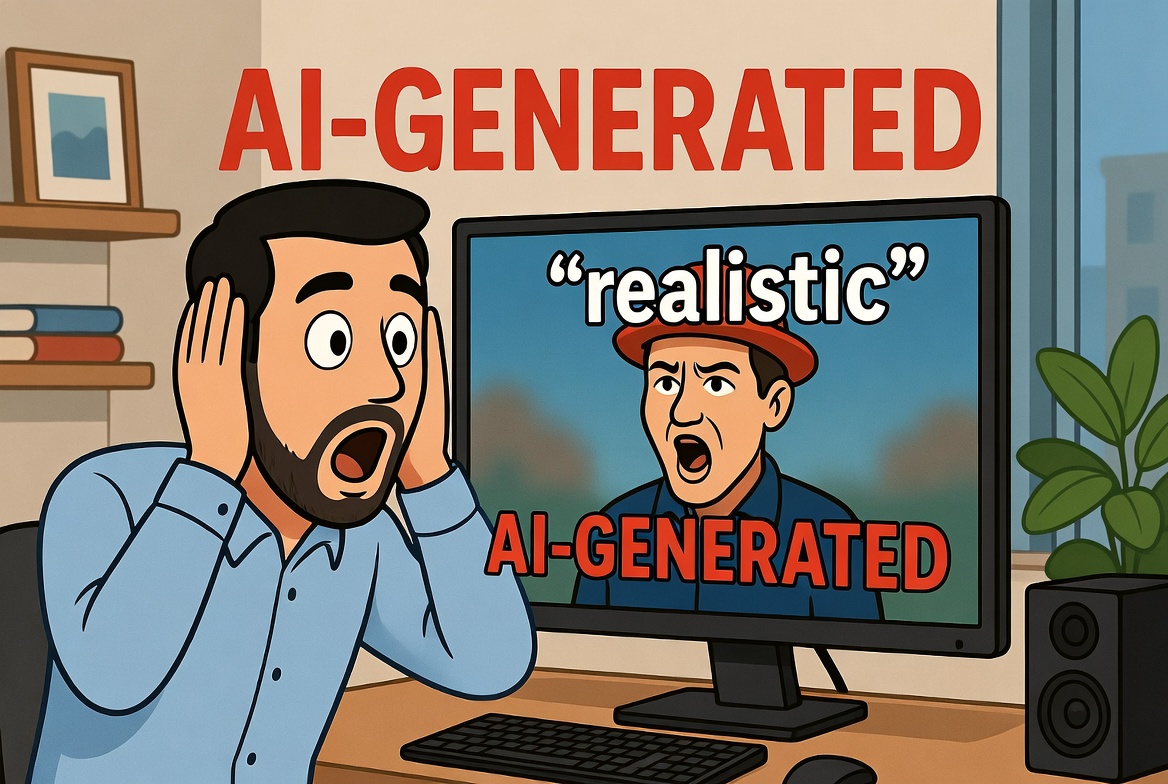
The days of AI-generated “realistic” videos sneaking up on your subscribers are officially over.
starting from May 2026From voluntary self-labeling, YouTube Automatic detection by AI. If the platform’s systems discover that a video makes significant use of photorealistic generation AI, and the creator hasn’t already disclosed it, YouTube will place a clear “AI-generated” label on the video itself.

The announcement was made on May 28, 2026, directly from YouTube’s official blog. The platform introduced a voluntary AI label in 2024, but compliance has been… inconsistent.
Many creators didn’t bother to tell their viewers that they were using tools like Sora, Runway, Kling, Luma, or even YouTube’s own Veo and Dream Screen. Platforms are now incorporating the problem into their own algorithms.
How the new system works
- mandatory disclosure It is still needed for “realistic” content (faces, voices, scenes that look like photos) that is generated or modified by AI.
- automatic labeling Triggered when YouTube’s internal detection tools identify significant non-public use of AI.
- Labels are persistent There are two clear cases. Videos created with YouTube’s own generative AI tools (Veo, Dream Screen, etc.) or videos that include C2PA metadata that proves their full generative AI origin.
- Otherwise, creators can update or dispute labels directly in YouTube Studio, even if they think the system is wrong.
Good news for everyone (in a sense)

AI labels do not affect recommendations, search rankings, or monetization eligibility. Your labeled videos won’t be buried or de-monetized just because you’re honest about your use of AI.
Viewers, on the other hand, finally get what they’ve been looking for: clearer transparency. When you click on a video that looks suspiciously perfect, you’ll be able to tell whether you’re looking at real footage or some very convincing nerve slop.

The end of the era of “just a tool”

YouTube is currently drawing the line. If you’re using AI to create or significantly modify realistic content, the platform will automatically call it out.
Of course, no detection system is perfect. False positives may occur and creators can dispute them. But the message from YouTube is loud and clear.
The joke is over.
If you’re feeding an algorithm AI slop, it’s going to tell your audience exactly what they’re eating.
Welcome to a new, slightly more honest corner of the internet.