As artificial intelligence reshapes industry and society, three scientists, Jeffrey Hinton, Yann LeCun, and Yoshua Bengio, are widely credited with laying the foundations for modern deep learning. Often referred to as the godfathers of AI, their collaboration transformed neural networks from fringe research to the backbone of modern machine learning systems.
Jeffrey Hinton: Neural Network Pioneer
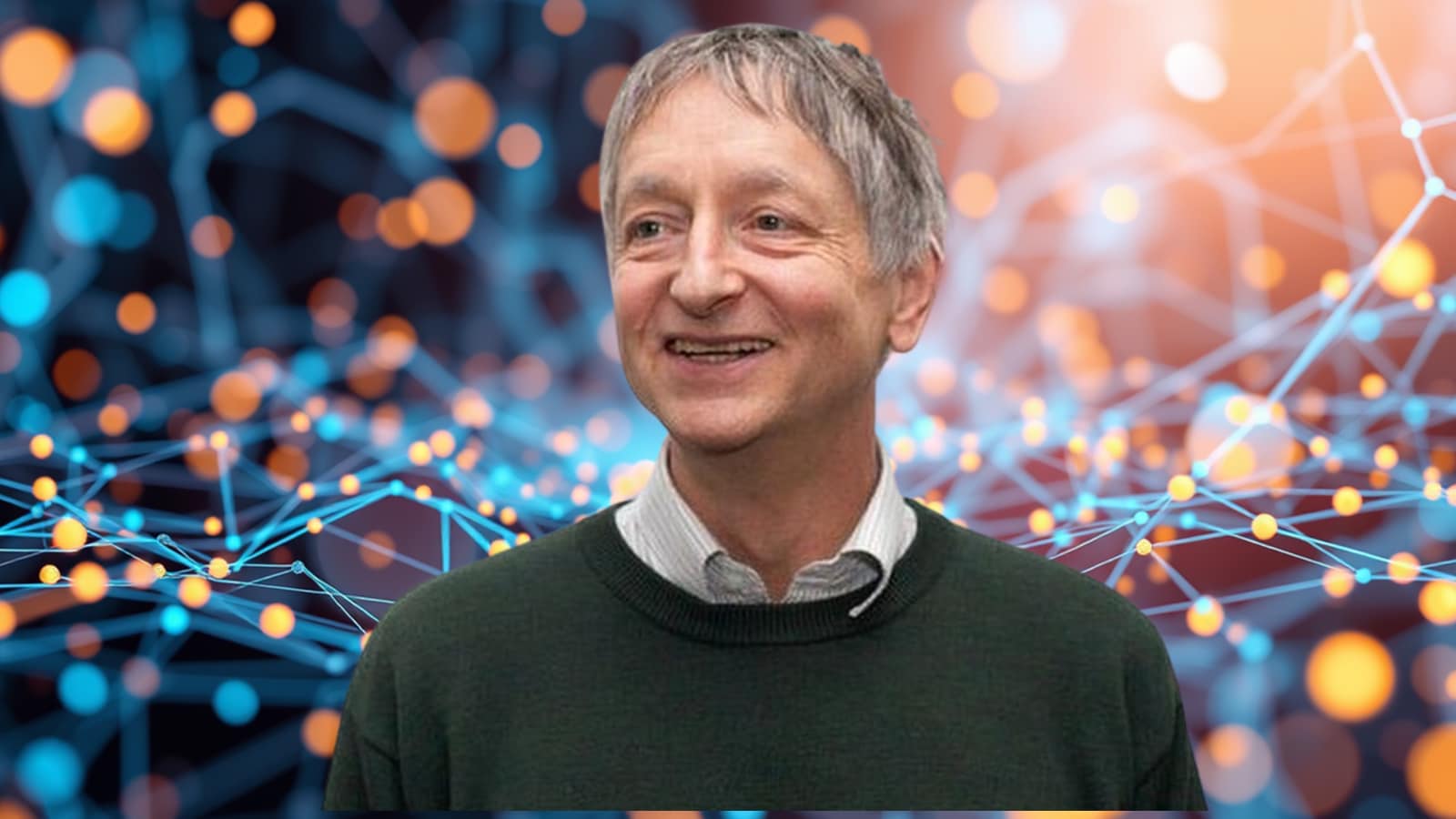
Jeffrey Everest Hinton, born in 1947, is widely known as the father of deep learning and one of the most influential figures in artificial intelligence. Hinton, a British-Canadian cognitive psychologist and computer scientist, received his PhD in artificial intelligence from the University of Cambridge in 1978. His early interest in understanding how the human brain processes information led him to focus on neural networks at a time when much of the AI community had largely rejected the approach.
Hinton’s contributions have been recognized with several major honors. In 2024, he shared the Nobel Prize in Physics with John Hopfield for his fundamental discoveries in machine learning using artificial neural networks. He also shared the 2018 AM Turing Award with Mr. LeCun and Mr. Bengio, received the 2016 IEEE James Clerk Maxwell Gold Medal, was appointed to the Order of Canada, and was elected a Fellow of the Royal Society.
Yann LeCun: Architect of Convolutional Networks
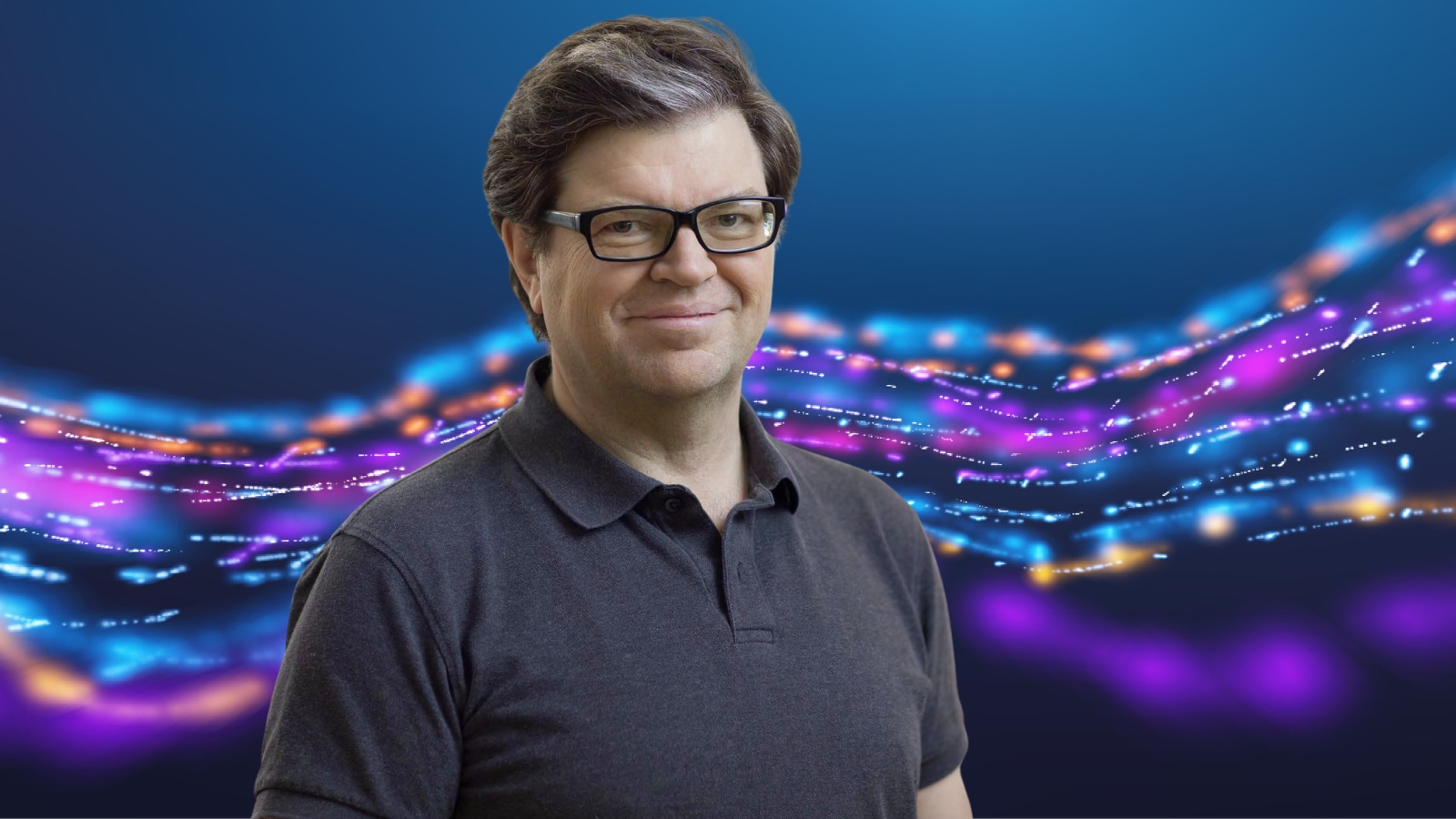
Born in France in 1960, Yann LeCun is best known for pioneering the breakthrough convolutional neural networks that revolutionized computer vision. After receiving his PhD from Pierre et Marie Curie University in 1987, LeCun did formative research at Bell Laboratories before joining New York University as a professor. He later became the lead AI scientist at Meta, the predecessor to Facebook.
LeCun’s accomplishments have earned him worldwide recognition. He shared the 2018 AM Turing Award with Hinton and Bengio, received the IEEE Neural Network Pioneer Award and the PAMI Outstanding Researcher Award, and was awarded the Legion of Honour by the French government. He has also been elected to the U.S. National Academy of Engineering.
Yoshua Bengio: Deep learning theorist
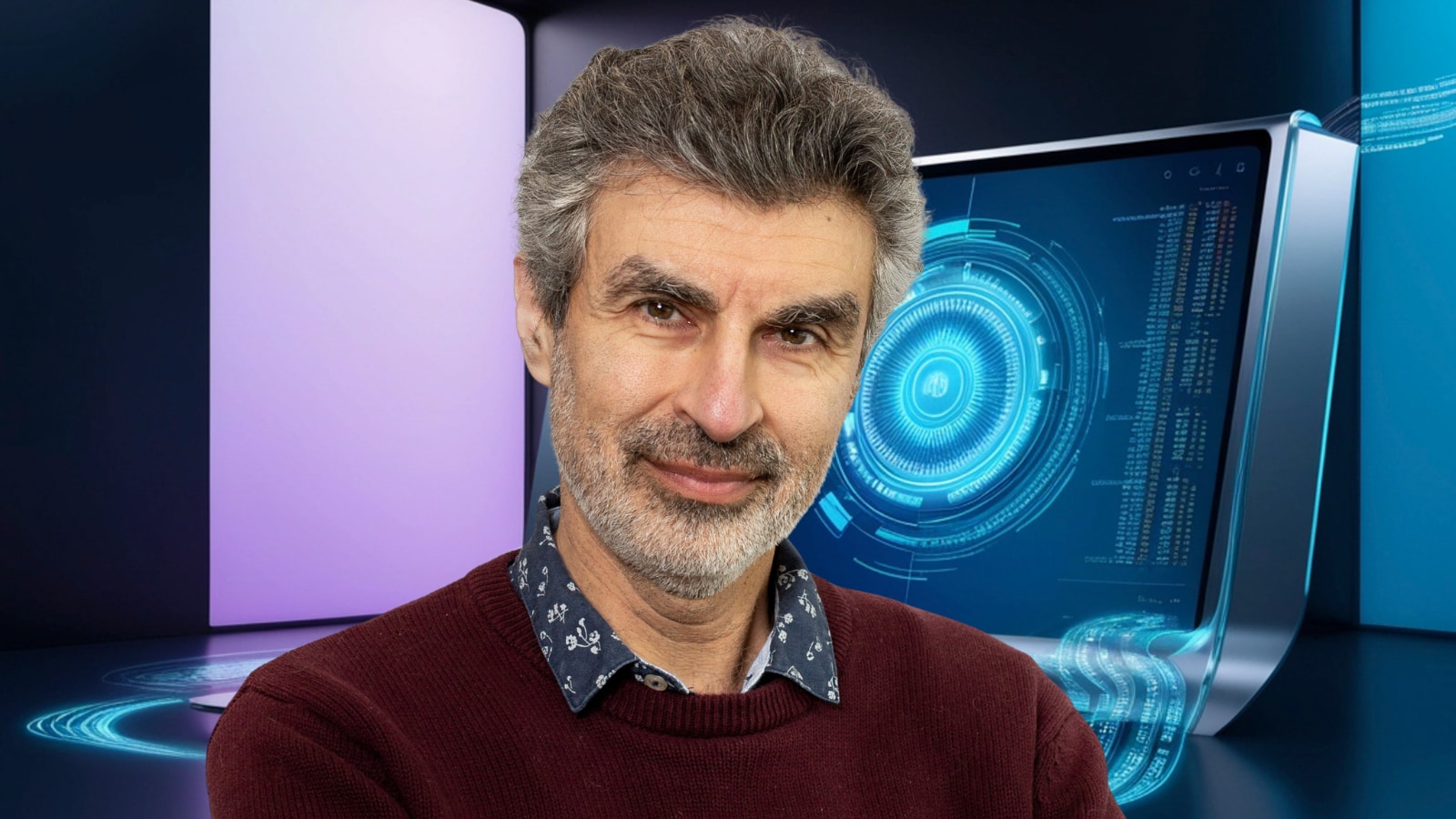
Born in 1964, Yoshua Bengio is a French-Canadian computer scientist whose theoretical work underpins much of modern deep learning. After receiving his PhD from McGill University in 1991, Bengio joined the University of Montreal and founded the Montreal Institute for Learning Algorithms, known as MILA, which is now considered one of the world’s leading AI research institutes.
Bengio’s scientific contributions are widely known. In addition to sharing the 2018 AM Turing Award with Hinton and LeCun, he won the 2022 Princess of Asturias Award for Technical and Scientific Research. He is an Officer of the Order of Canada, a Fellow of the Royal Society of Canada, and a recipient of the Marie-Victorin Québec Award.
Hinton, LeCun, and Bengio worked together to reshape the trajectory of artificial intelligence. Hinton’s fundamental algorithms enabled large-scale learning in neural networks, LeCun’s architectural innovations enabled machines to interpret images and patterns, and Bengio’s theoretical framework provided the mathematical foundation for deep learning. Their contributions span machine learning and have fundamentally redefined how we understand intelligence, learning, and computation in the digital age.
First publication date