The AI revolution is no longer science fiction fantasy. It’s as real as a past-due bill that’s easy to forget. The Institute of Food Technologists calls AI the top trend shaping food. 2026restaurants are already using it to achieve tangible results, such as reducing waste and predicting coffee orders. We’ve sifted through countless applications and brought you the ones that really deserve your attention. These are not fancy toys. These are solutions that increase revenue and keep customers coming back.
1. AI chatbot and virtual order assistant
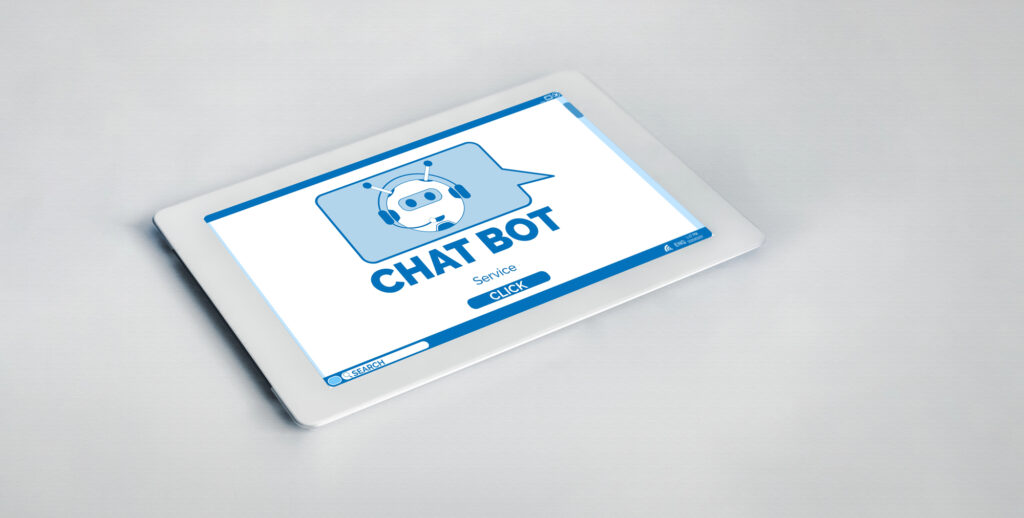
These digital dynamos handle customer service 24 hours a day, 365 days a yearso humans can focus on actual human tasks.
Have you ever been put on hold to ask if there’s a Tuesday taco special? AI chatbots and virtual assistants are taking over chatting with customers 24/7. These systems handle everything from reservations to FAQs. Basically, they are customer service representatives and don’t call in sick.
Voice ordering means you can shout into the air what you want pizza and the AI will order it accurately every time. No more yelling at confused teenagers behind the counter. It’s like having a personal concierge for your stomach, minus the exaggerated accent.
2. AI-enhanced food safety and traceability systems
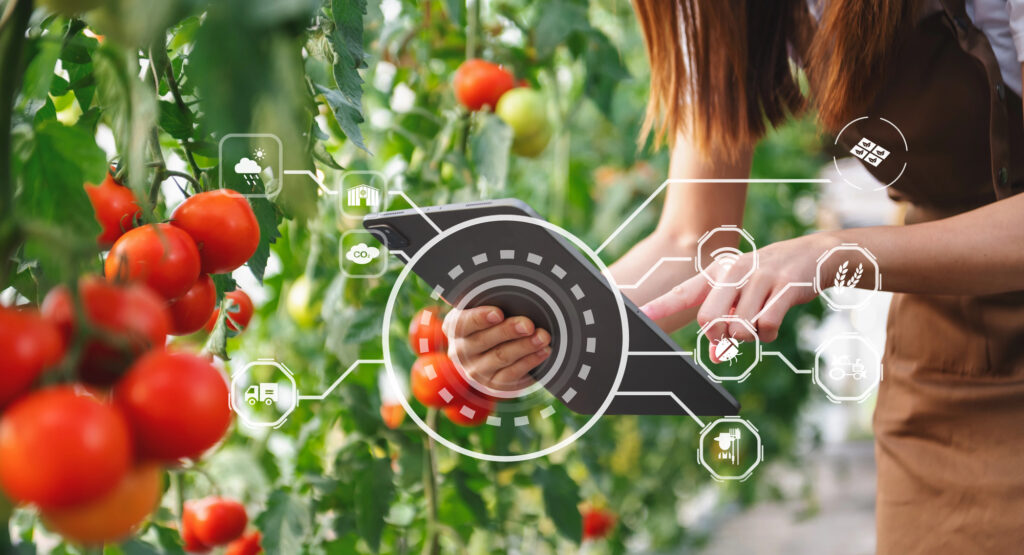
Real-time monitoring tracks food from farm to fork, making mystery meat obsolete.
It turns out that food safety has been significantly upgraded. These systems use sensors and blockchain to enable real-time supply chain monitoring throughout the journey. Ingredients are traced from origin to plate, making “mystery meat” a relic of sketchy diners of the past.
Imagine a restaurant proactively replacing suppliers before bad weather ruins a shipment. This technique means you can’t go wrong with avocado toast, or at least you’re much less likely to go wrong than before.
3. Demand forecasting and inventory management using AI
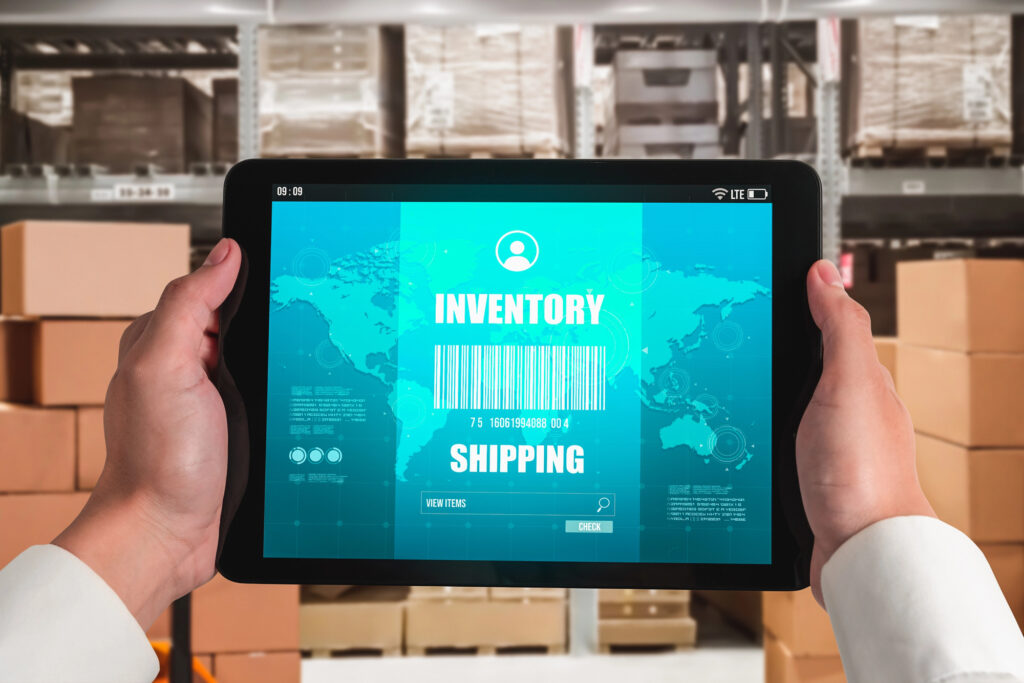
Predictive systems enable restaurants to order exactly what they need, maximizing waste reduction. 30%.
Unlike your ex-lover’s promises, AI’s predictions actually come true. These tools analyze sales data and predict demand, so restaurants no longer have to deal with piles of unwanted kale. Sweetgreen has achieved significant waste reductions through this technology, proving the concept works beyond the pilot program.
Imagine a restaurant ordering only what you need. It’s like having a crystal ball in your inventory. If you run a restaurant without using AI predictions, you’re basically throwing money and perfectly delicious avocados straight into the trash.
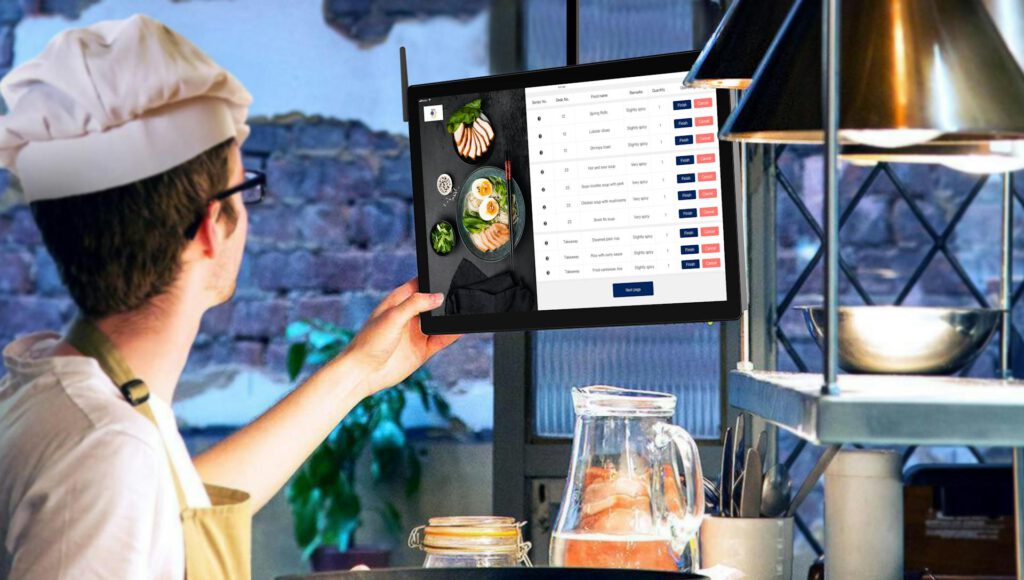
Smart algorithms analyze your data and predict your desires before you even know what you want.
Menu personalization means the system guesses what you want before you do it. The big chains are incorporating this technology into their mobile apps, so your regular, complex coffee orders will be front and center, as if the app actually knows you.
This digital ESP increases app usage, customer retention, and brand engagement. If you have allergies, AI automatically filters out problematic ingredients, turning meals like Russian Roulette into a calculated culinary adventure.
5. AI-powered robot assistant for kitchen automation
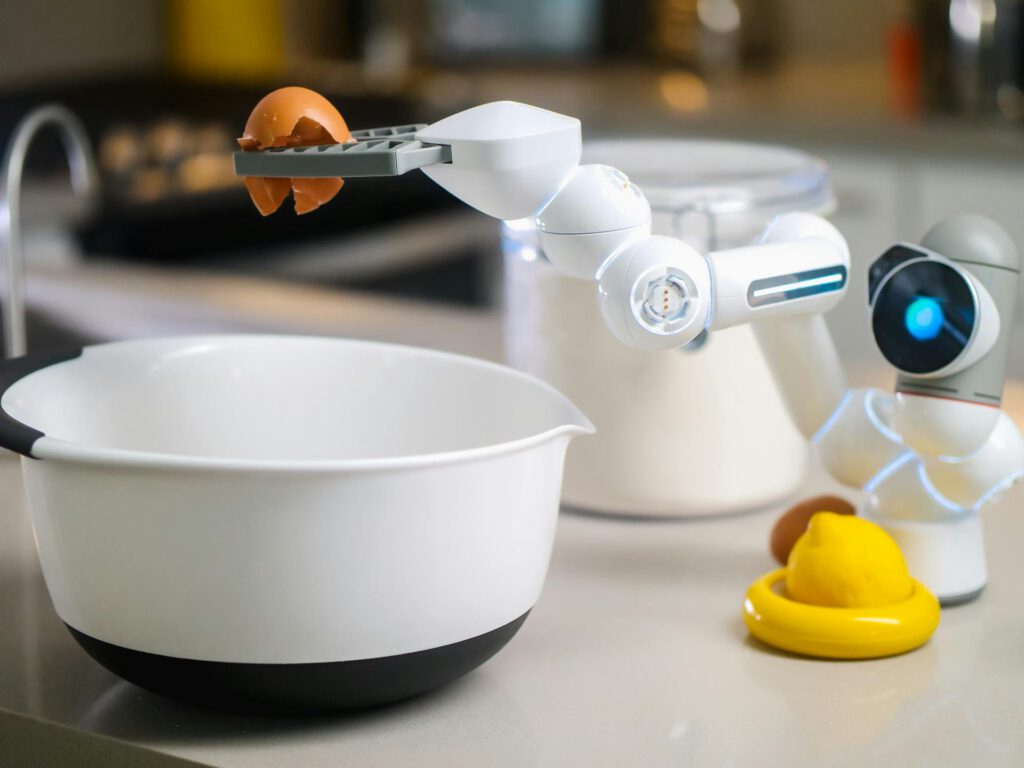
Robots handle repetitive prep tasks, freeing up human chefs for creative tasks and ensuring consistency.
Restaurant kitchens are equipped with voice robot assistants, including: toy story Although it is a character, it actually prepares the ingredients with mechanical precision. These systems handle tedious tasks like chopping and portioning, greatly reducing prep time while maintaining consistency.
The robot fryer keeps the oil at a precise temperature and timings everything perfectly so even new employees can’t accidentally serve charcoal sticks. As AI handles more routine tasks, chefs can focus on innovation since robots don’t yet have taste buds.
6. AI-powered dynamic pricing and personalized loyalty programs
Smart pricing adjusts in real-time, and data-driven discounts are tailored to your specific preferences.
Remember picking your own adventure books? This is basically what AI is currently doing with restaurant pricing. Machine learning implements dynamic pricing that changes faster than your weekend dinner plans and personalized loyalty programs that know what you want better than you do.
A simple lunch visit becomes a symphony of strategic savings. If you stop by during calmer hours, targeted discounts will pop up on your app. This is because the algorithm actually works. It’s not just about eating. We are strategically investing in our future food well-being.