

RSS-Hydro will discuss the powerful potential of leveraging AI, machine learning and Earth observation data to mitigate the impact of growing climate risks.
According to the European Environment Agency (EEA), climate change is causing an increase in extreme weather events in Europe, including heatwaves, droughts, wildfires, and floods. These phenomena are already having negative effects on human health, ecosystems, food security, infrastructure, and the economy. The EEA further argues that Europe is not prepared for these growing risks. Therefore, the EEA recommends urgent measures to reduce greenhouse gas emissions and improve adaptation policies to protect Europe from the impacts of climate change.
Various organisations from different sectors, including RSS-Hydro, are trying to address the many challenges linked to the climate crisis by researching and developing solutions that can help governments, public authorities, companies, NGOs and individuals address some of the challenges and make a positive impact.
To address the many challenges posed by climate change and become better prepared and more resilient against devastating floods, landslides, wildfires and hurricanes, which are likely to become more severe and frequent, it is important to collect large amounts of data from different observing systems using different sensor technologies.
Imagine the Earth as a huge, complex system. Earth Observation (EO) data is like a million eyes in the sky, constantly collecting information about our planet. This data comes from satellites and other instruments that measure land cover, temperature, precipitation, soil moisture, and more.
Now, it's easy to imagine that to make sense of this big data and extract useful, actionable information, we need massive amounts of storage capacity, computing power, and very smart algorithms. This is where Artificial Intelligence (AI), specifically Machine Learning (ML), comes in. ML is like a super-smart brain that can analyze this vast amount of Earth observation data. By looking for patterns and trends, ML helps us understand what's happening on Earth and predict how it might change in the future.
Focusing on disasters such as floods and fires, the combination of EO and ML holds great promise in the near future.
- Early warning systems: By analyzing EO data, ML can identify areas at high risk of flooding or fire based on factors such as rainfall, temperature, and vegetation, allowing communities to be warned in advance and take steps to prepare and evacuate.
- Better planning: EO data can be used to identify floodplains and fire-prone areas, which can then be analyzed with ML to help communities plan development projects in ways that minimize flood and fire risk.
- Resource management: EO data can be used to monitor water levels and vegetation health. ML can analyze this data to help manage water resources more effectively and identify areas where fire prevention efforts are most needed.
If we take a closer look at flood disasters and flood risk in general, we can see that climate change is increasing flood risk around the world. To improve our ability to predict and prepare for these events, researchers are exploring advanced techniques such as advanced deep learning.
And generative AI.
By combining these approaches, you can ensure that:
- Machine learning for predictive analytics: ML algorithms can analyze vast amounts of historical data, such as rainfall records, river levels, and land use patterns, to identify patterns and relationships that can be used to predict the likelihood and severity of future floods.
- Hybrid approach with physics-based modeling: Even greater accuracy can be achieved by combining ML with traditional physics-based flood models. These models simulate the physical processes that drive flooding, such as precipitation and runoff. By incorporating data-driven insights from ML, these models become more adaptable to complex real-world scenarios.
- Generative AI for Flood Scenario Building: A branch of powerful AI, generative AI can create realistic simulations of flood events. Imagine creating a “digital twin” of a real-world location, a virtual replica that can be subjected to different flood scenarios, allowing you to explore how different flood intensities would affect a particular area. This advanced form of scenario building can improve understanding of flood risk and enable communities to develop more targeted preparedness plans.
These cutting-edge tools can help us go beyond basic flood forecasting to future flood risk management, which will increase resilience and preparedness to increased flood risk due to climate change.
Of all these cutting-edge approaches, Generative AI (also known as GenAI) appears to be the most promising, especially when it comes to building digital twins.
Generative AI: Building a digital twin for flood mitigation
Generative AI offers an innovative approach to flood preparedness. It allows us to create a “digital twin” – a highly realistic simulation of a real-world location. Imagine a virtual replica of a city, complete with buildings, roads, and natural features. By applying this digital twin to different flood scenarios, we can explore the potential impacts of floods of different intensities and durations.

Simulating flood events:
- Virtual flood testing grounds: Generative AI can create these digital twins by analyzing real-world data like satellite imagery, LiDAR scans (which capture 3D terrain data), and Geographic Information System (GIS) data, which allows for the creation of highly detailed virtual environments that closely resemble real-world locations.
- Flood reconstruction: Once a digital twin is built, different flood scenarios can be simulated. You can adjust factors such as:
- Rainfall Intensity: Simulate different levels of rainfall, from moderate rain to heavy downpours, to see how water levels rise and how different areas are affected.
- Flood duration: Study the impacts of short flash floods and long floods to understand potential damage and the need for evacuation.
- Impact Visualization: Generative AI can create realistic visualizations of flood simulations. Imagine a video showing flood waters rising and receding; areas at risk of flooding are highlighted. This visual representation provides a much clearer understanding of the potential flood impacts compared to traditional text-based reports.
Benefits of scenario building with Generative AI:
- Better understanding of flood risk: Simulating different flood scenarios gives communities a more comprehensive understanding of their specific vulnerabilities, which allows for a more targeted approach to flood planning.
- Identifying evacuation routes: Digital twins can be used to identify the most effective evacuation routes under different flood scenarios. This information can be used to develop and optimize evacuation plans to save lives during a real-world event.
- Prioritize protection measures: By visualizing how different areas are affected by different flood severities, communities can prioritize flood protection measures. Resources can be more effectively allocated to strengthening levees, protecting critical infrastructure, and mitigating potential damage to vulnerable buildings.
- Public awareness and education: Realistic flood simulations created by generative AI can be used to raise public awareness about flood risk. Educating communities about the impacts of potential floods can encourage residents to take preparedness actions and improve the resilience of the community as a whole.
Generative AI provides a powerful tool for proactive flood management: by creating digital twins and simulating different flood scenarios, communities can gain valuable insights and develop more effective flood preparedness plans, ultimately leading to a safer future in the face of increasing flood risks.
The future of proactive flood management
It is an undeniable fact that climate change is increasing flood risk around the world. But the future is not one for passive acceptance. The tide is turning towards proactive flood management, leveraging innovative technologies such as Earth observation data and machine learning.
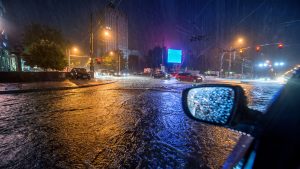
Leveraging the power of AI, particularly generative AI, to build digital twins can help communities go beyond basic flood forecasting. These virtual replicas allow for the simulation of different flood scenarios, improving understanding of vulnerabilities and potential impacts. This knowledge can then be the basis for targeted preparedness plans, including identifying evacuation routes, prioritizing protective measures, and raising public awareness.
Combating the devastating effects of climate change requires a multifaceted approach. While reducing emissions remains crucial, advances such as generative AI offer promising approaches in the face of rising flood risks. These
With cutting-edge tools, we can build a resilient future where communities can face the challenges of climate change with confidence and preparedness.
In conclusion, it is essential to commend the continued efforts of organizations like RSS-Hydro. They are representative of the dedicated efforts of countless groups working towards solving the climate problem. However, to effectively reduce flood risk, a global approach is needed. International collaboration is essential to ensure the widespread and successful deployment of these innovative technologies.
Going forward, collective action is key. Individuals can empower themselves by learning more about flood risk in their areas, advocating for proactive flood management policies at all levels, and actively participating in preparedness efforts within their communities. Through collective efforts, we can harness the transformative potential of generative AI and other cutting-edge tools to build a more resilient future in the face of growing threats from climate change.


