It was supposed to be the future of creativity. In February 2024, OpenAI announced Sora, a text-to-video model that can turn simple prompts into amazing cinematic clips. Hollywood was shaken. The creators cheered. Investors rushed in.
After 15 months it was dead.
On March 24, 2026, OpenAI quietly announced that it would be shutting down its Sora consumer app on April 26 and deprecating the API by September. The product that once promised to democratize video production was euthanized not because the technology failed, but because the economy was devastated.
The Real Killer: Never Made Money
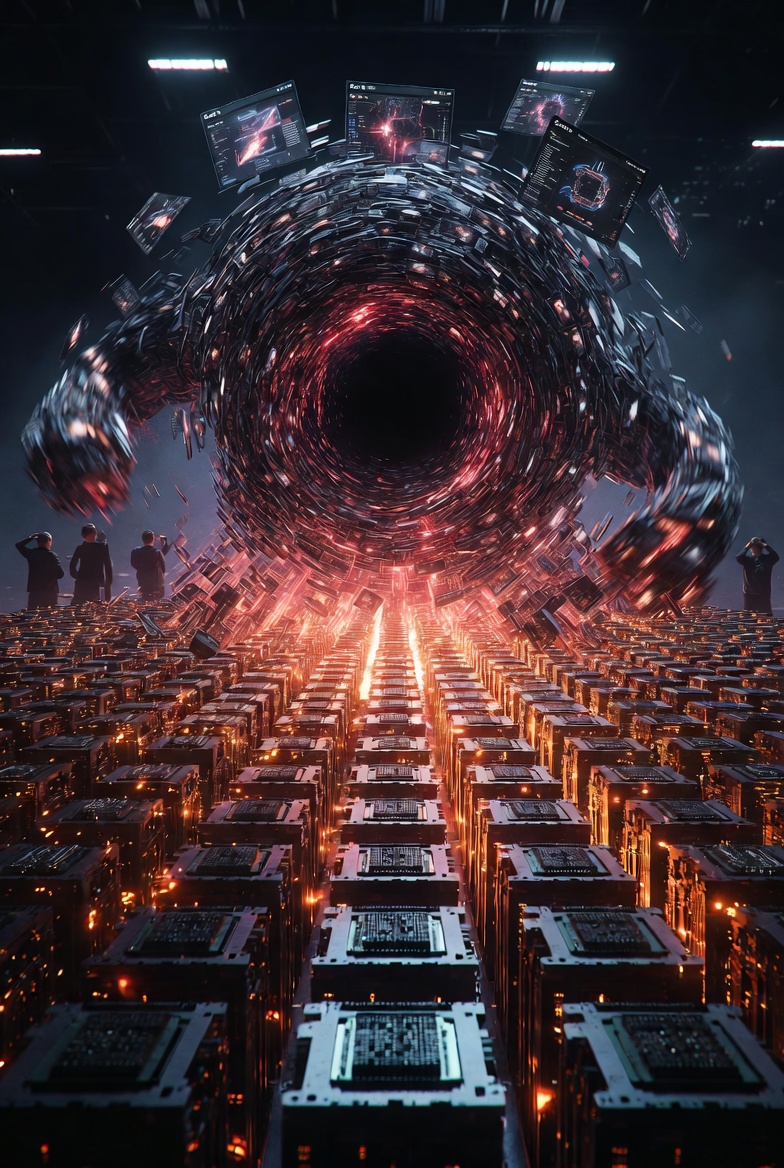 Here’s the uncomfortable truth that no one wanted to say out loud while Sora was still trending. Operating a video slop was very expensive and few people were willing to pay enough to cover the bills.
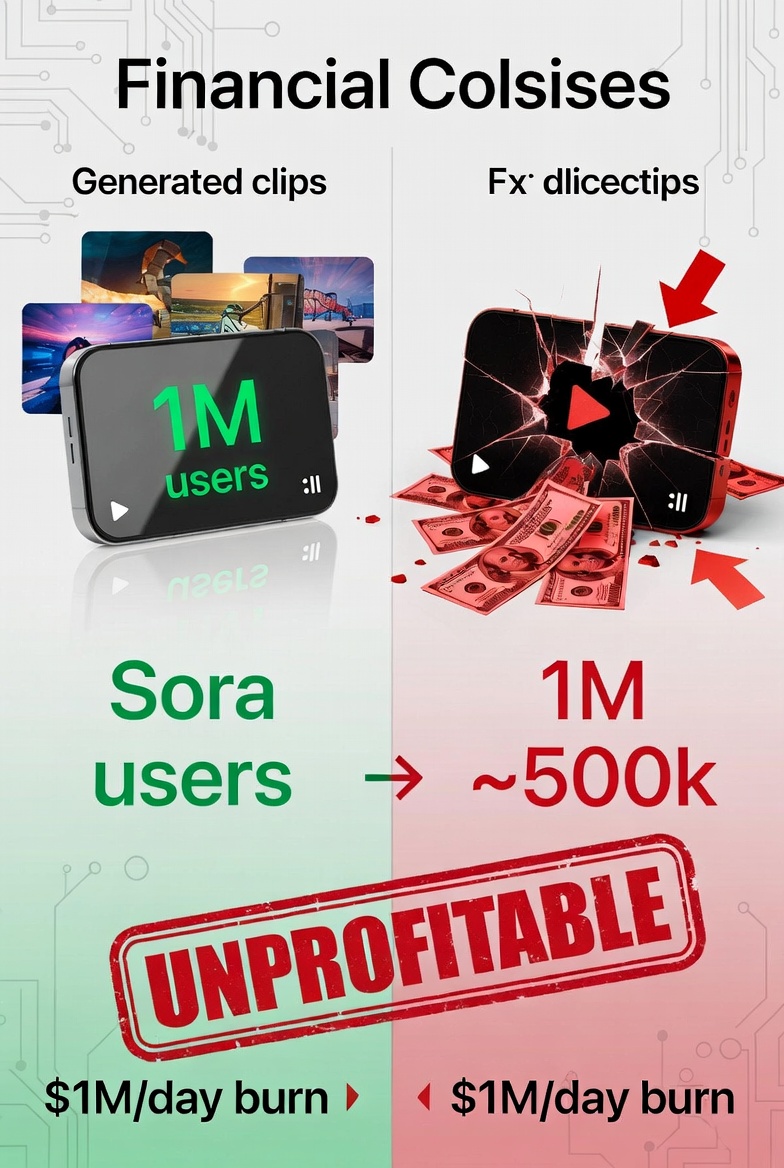
- Daily losses: approximately $1 million per day (some reports put total losses in the billions).
- Peak Users: Approximately 1 million people worldwide.
- Final active user count: <500,000.
Even at the premium price, the calculations didn’t work at all. Generating one minute of high-quality video still costs OpenAI a small amount of compute. Most users created a few fun clips, posted them on social media, and never came back. The “wow” factor was real. Repeat usage and willingness to pay…not so much.
Computational starvation that starved the rest of the company’s employees
 Sora wasn’t just burning cash, it was consuming the very GPUs needed to train OpenAI’s next-generation models.
Internally, the team was already preparing Sora 3. Sora 3 is a version that executives promised would “surprise everyone” with its creativity and consistency. Sam Altman reportedly ran the numbers himself and pulled the plug on the entire product line.
The message was clear. It’s no longer acceptable to perpetuate loss-making consumer video toys when companies need every watt of computing for higher-priority work.
Disney contracts that disappeared under the radar
The timing made it even more brutal.
Just three months ago, OpenAI entered into a major multi-year partnership with Disney. This involved a $1 billion investment and licensing agreement to bring Disney characters to Sora. Dreams of AI-generated Disney princesses, Pixar-style short films, and text prompt-generated Marvel trailers were far from reality.
Disney executives reportedly learned of the closure less than an hour before it was announced. The partnership has now been dissolved. Mouse is once again looking for new AI video partners, and the entire industry is watching.
What’s next: Everything goes to ‘spud’
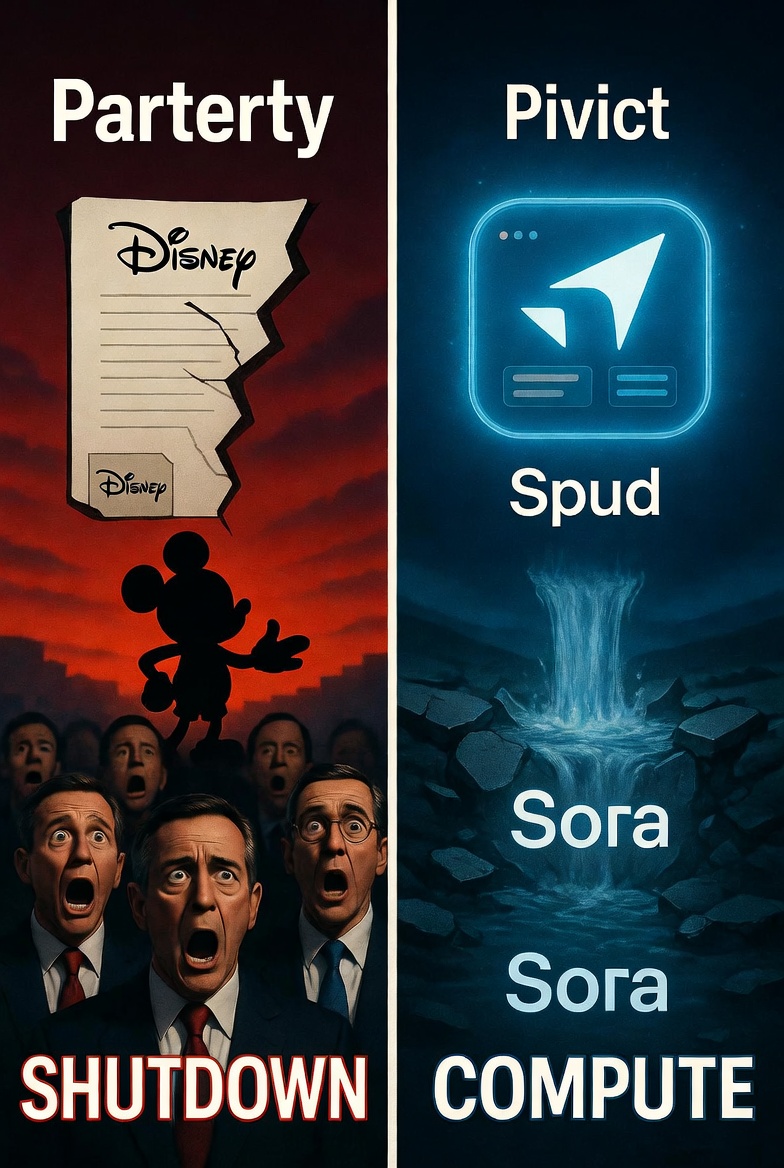 The computing that Sora once dominated is being redirected. OpenAI is channeling these resources into a new internal project codenamed: spud — not a viral TikTok clip, but a next-generation frontier model expected to power agents, robotics, and serious business tools.
In other words, the slop ate itself. With flashy consumer experiments gone, the company is now able to double down on infrastructure and models that actually make a huge difference in revenue and real-world utility.
Ah, I read:
irony
The craziest part? Sora’s basic skills weren’t bad. Many of the videos were great. The problem was never quality. It was unit economics in a world where video generation still requires ridiculously high computational complexity.
Sora is dead, but his thirst for AI-generated video remains. Other players (Runway, Kling, Luma, Pika, and 12 Chinese Institutes) are still in the game. Disney just takes the characters somewhere else. AI Princess Factory is not canceled but postponed.
Sora lasted a year and a half. It cost hundreds of millions of dollars, consumed valuable computing, and ultimately proved that an “incredible demo” and a “sustainable business” were two very different things.
The doldrums for consumer AI video are officially over. The next chapter is more intensive, more expensive, more real, and it’s already begun.