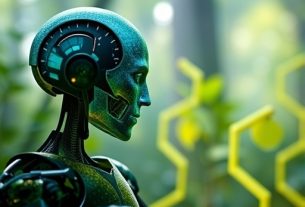
Explore the impact of machine learning on advances in robotics and automation
Machine learning, a subset of artificial intelligence (AI), is the driving force behind many recent advances in robotics and automation. Machine learning has the potential to revolutionize industries ranging from manufacturing and logistics to healthcare and agriculture by enabling machines to learn from data and improve their performance over time. As technology continues to evolve, it is imperative to explore the impact of machine learning on advances in robotics and automation and to understand how machine learning can shape the future of these fields.
One of the most important ways machine learning has impacted robotics and automation is by enhancing a robot’s ability to perceive and understand its environment. Traditional robotics relies on pre-programmed instructions to perform specific tasks, limiting its adaptability and flexibility. But with machine learning algorithms, robots can process vast amounts of data from sensors, cameras, and other sources to understand their surroundings and adapt their behavior accordingly. This ability to learn from experience has led to the development of more sophisticated and versatile robots capable of performing a wider range of tasks, including self-driving cars, drones, and robotic assistants.
Machine learning also plays an important role in improving the decision-making ability of robots and automated systems. By analyzing historical data and identifying patterns, machine learning algorithms help robots make more informed decisions and optimize their behavior to achieve specific goals. For example, in manufacturing, machine learning can be used to optimize production schedules, predict equipment failures, and identify bottlenecks in production processes. This not only increases efficiency, but also reduces the potential for costly errors and downtime.
Another area where machine learning is making a big impact is in human-robot interaction. As robots become more integrated into our daily lives, it will be essential for them to understand and respond to human emotions, gestures and language. Machine learning algorithms analyze human behavior and help robots adapt their behavior to meet user needs. This has enabled the development of more intuitive and user-friendly robotic systems such as personal assistants, healthcare robots and customer service bots.
Furthermore, machine learning has enabled the development of more advanced robot control systems. Robots have traditionally been controlled using rigid rule-based systems, making it difficult to adapt to new tasks and environments. However, machine learning techniques such as reinforcement learning have enabled the creation of more flexible control systems that can learn and adapt over time. This opens up new possibilities for robots to perform tasks previously considered too complex or difficult, such as navigating unstructured environments or manipulating delicate objects.
Finally, machine learning is also playing a role in advancing the field of swarm robotics, where multiple robots work together to achieve a common goal. Machine learning can make swarm robot systems more efficient and resilient by allowing individual robots to learn from their experiences and share information with other robots. This has significant implications for applications such as search and rescue operations, environmental monitoring, and transportation.
In conclusion, machine learning has had a major impact on the fields of robotics and automation, enabling the development of more intelligent, adaptive and efficient systems. As technology continues to advance, we may see even more innovative applications of machine learning in robotics, further transforming the way we live and work. By understanding the potential of machine learning in robotics and automation, we can be better prepared for a future where machines will play an increasingly important role in our lives.