

Brief overview:
Image to Video AI is a model-agnostic aggregator that puts top engines like Sora 2 (physically accurate motion) and Veo 3 (cinematic high-definition filmmaking), plus creative wildcards, behind one unified dashboard. Creators can switch between engines based on intent, optimize requests for each model using a built-in prompt translation layer, compare outputs side-by-side, and pay with a single, flexible credit system. This democratizes access to studio-grade video generation and ensures users are always up to date with the latest models.
We are living in the Cambrian era of artificial intelligence. It seems like every week there's a new “revolutionary” model. We hear about Google's latest breakthroughs, then we hear about OpenAI's surprising updates, then we hear about a new candidate from an obscure lab that's surprising everyone.
For creators, this is both a golden age and a nightmare.
We need the best quality. You want the hyperrealism of one model, the cinematic movement of another, and the surreal creativity of a third. But accessing them is a logistical headache. You have to sign up for a waitlist, manage five different subscriptions, learn five different interfaces, and jump between tabs like a crazy stock trader.
Your creativity shouldn't be cut off by logins or paywalls. You don't have to choose between the best tools. They should all be readily available.
This is where the game changes. Imagine a command center that not only provides AI, but also integrates AI. A platform that serves as a universal adapter for the most powerful visual engine on the planet.
Image to Video AI (Super Aggregator): All your weapons in one arsenal
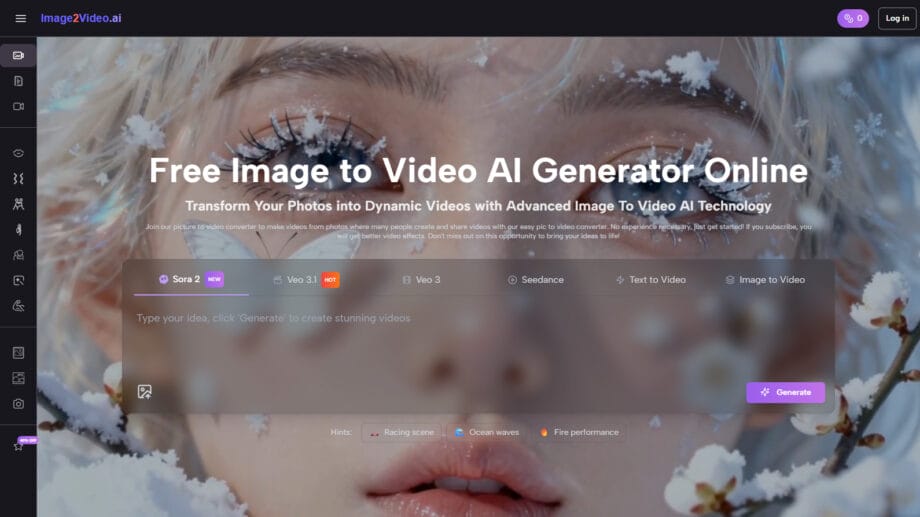
Image to Video AI has evolved beyond a single tool. It has become the gateway. By integrating APIs from the world's leading video generation models, including the industry-shaking Veo 3 and the legendary Sora 2, we offer a unique model-agnostic proposition.
There's no need to bet on which tech giant will win the AI race. You just want the best result for your particular image.
Why is this important? Because different models have different “personalities”. Just as you wouldn't use a hammer to tighten a screw, you shouldn't use models designed for hyperrealism to generate demos for your company's products. Having access to all of these allows you to match the engine to your *intent*.
Introducing the Titan: Understanding the engine under the hood
To truly appreciate the power at your disposal, you need to look at the specific strengths of the sluggers integrated into your platform.
1. Sora 2: Physics Simulator
The world held its breath when OpenAI released the original Sora. Sora 2 further strengthens and completes that foundation.
- Superpower: Absolute physical consistency.
- Ideal for: Complex interactions and object persistence. If you want a video where your character walks behind a tree and respawns correctly, or where water splashes with precise fluid dynamics, Sora 2 is for you. It “understands” the 3D world better than any other model. It's not just about animating pixels. It simulates reality.
2. Veo 3: Movie Author
Google's DeepMind created Veo with a focus on high-resolution, long-form consistency.
- Superpower: 1080p+ resolution and cinematic language.
- Ideal for: filmmakers and advertisers. Veo 3 is great at understanding movie terms like “time-lapse,” “aerial photography,” and “dolly zoom.” Maintains consistent lighting and textures over long clips (up to 1 minute), avoiding “morphing” glitches common with older models. Treat images like movie sets.
3. Kling and Hailuo: Creative Wild Cards
Often underrated, these models (often integrated alongside giants) offer a unique flare of style.
- Superpower: Stylized movement and artistic interpretation.
- Ideal for: Music videos, abstract art, and social media content that needs to “pop.” They are often faster than more rigid “realistic” models and are often willing to take creative risks with color and shape.
Comparative Advantages of Image-to-Video AI: Why Integration Beats Separation
Let's take a closer look at why using Image to Video AI is better than exploring these models individually.
| Features | Individual Subscription (Sora/Veo Direct) | Image-to-video AI platform |
| access | Often placed on a waiting list / By invitation only | Instant access |
| Fee | Multiple high monthly fees ($100+) | Single flexible credit system |
| workflow | disconnected interface | Integrated dashboard |
| Model selection | Fixed to one provider | Switch models with one click |
| prompt | Depends on platform | Standardized prompt assist |
| comparison | Difficult to compare results side by side | Instantly generate variations from different models |
Workflow tailored to you
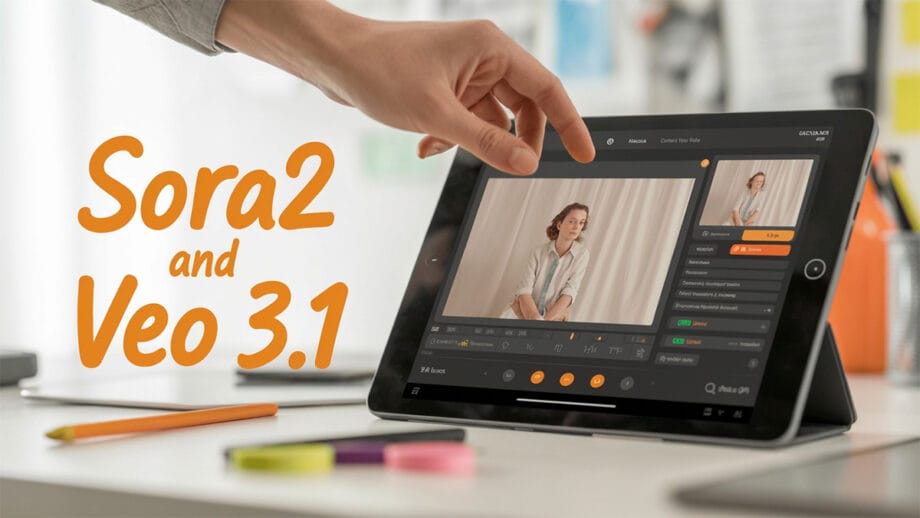
Let's look at a real world scenario. You are a luxury real estate marketer. There was a great photo of the penthouse balcony at sunset.
Scenario A: “Sora” approach
I want to express the way the curtains blow in the wind and the city lights come on. Select the Sora 2 engine within the dashboard. Requires “physically accurate cloth movement.” The results will be surreal. The curtains move exactly as they do in real life.
Scenario B: “Veo” approach
Well, you need a dramatic opening shot for your YouTube video. Let's say you want your camera to swoop down from the sky and land on a balcony. Switch the toggle to Veo 3. You'll see a prompt that says “Cinematic Drone Shot, Descent, 4K.” The result is breathtaking, high-fidelity establishing shots that look straight out of a Hollywood production.
result
There was no need to log out. I didn't have to change my payment method. Simply switch engines and get the best tool for the specific shot you need.
“Prompt to Model” transformation layer
One of the hidden struggles of AI is that all models speak different languages. Sora may prefer detailed paragraphs. Veo may prefer camera jargon.
The Image to Video AI platform solves this with an intelligent middle layer. Once you enter your request, the system will optimize the prompts for the specific model you have selected. It acts as a translator, ensuring that the user's vision is effectively communicated to the AI, regardless of which engine is performing the calculations. This “rapid engineering as a service” saves hours of trial and error.
cutting edge democratization
Until now, access to the absolute best technologies like Veo 3 and Sora 2 has been limited to corporate clients or a select group of beta testers. By aggregating these APIs, Image to Video AI democratizes access.
This gives coffee shop freelancers access to the same computing power as the big studios in Los Angeles. It levels the playing field. The barrier to entry is no longer access. That's just imagination.
future proof promise
The environment surrounding AI is rapidly changing. We might see a Sora 3 or Veo 4 next month. If you subscribe directly to a single service, you will be stuck in its update cycle.
Future-proof your image with our Image to Video AI aggregator platform. New top models will be integrated as soon as they release their APIs. You are always riding the crest of a wave and never getting stuck in a trough. There's no need to worry about FOMO (fear of missing out) as the toolkit is constantly evolving to include the latest breakthrough features.
Conclusion: Orchestra conductor
You don't have to be an AI researcher to create great videos. You just have to be a conductor.
There is an orchestra in front of me. Sora 2 is a percussion based on real-world rhythms. Veo 3 is a string section with a cinematic aesthetic. The platform is your baton.
Don't limit yourself to one instrument. Step up to the podium, access the full power of the world's best generative models, and start directing your masterpiece. The technology is finally ready. you?


