

Spotify has announced that it will increase the price of its premium subscriptions in several markets as the streaming giant balances higher prices with ambitious initiatives in video, artificial intelligence and creator tools under new leadership.
The Swedish company said its monthly premium plans will increase in price by about $1.50 in the US, Estonia and Latvia, bringing the total cost to about $19.99 per month. The new prices will take effect on the next billing date for subscribers in February or later, and customers will be notified via email. Spotify’s stock price fell nearly 3% following the announcement.
Spotify argues that users continue to find value in its service despite higher costs, and is increasingly relying on price hikes to drive revenue growth. Finance chief Christian Ruiga previously said the company had not seen a significant increase in customer churn despite price increases in more than 150 countries. The company said the increase is aimed at continuing to improve the platform and further investing in supporting creators.
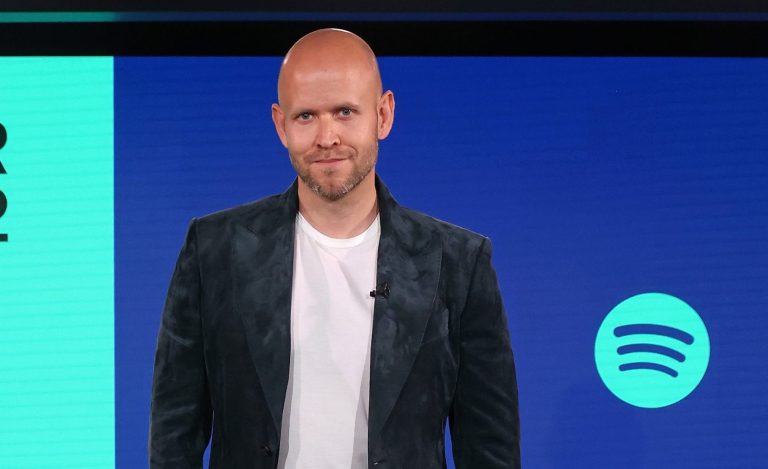
Spotify Executive Chairman Daniel Ek
The move comes at a pivotal time for Spotify, which is undergoing both a change in strategy and a change at the top. Co-founder Daniel Ek stepped down as chief executive officer for the first time in nearly 20 years and took on the role of executive chairman. Day-to-day management is currently handled by long-time executives Gustav Söderström and Alex Norström, who lead the company as co-chief executives.
Under Mr. Ek’s leadership, Spotify has grown from a small startup to one of the most influential companies in global music streaming. In the third quarter, the company had 281 million paid members, an increase of 12%, and 713 million monthly active users. The company also recently achieved its first full year of profitability after years of significant investment in growth and content. This is a groundbreaking event.
The new management team is focused on ensuring Spotify remains relevant as listening habits evolve and competition increases. While music remains the core of the platform, Spotify is aggressively expanding into podcasts, audiobooks, and video. Music videos are now available to premium subscribers in the US and Canada, while new monetization tools are being introduced for video podcasters in an increasingly crowded space dominated by YouTube and Netflix.
Spotify’s video efforts are seen internally as important to attracting younger users, particularly Gen Z, who increasingly expect multimedia experiences. Executives say there are early signs that video content is driving new behaviors on the app, from listening to podcasts to guided workouts, opening up new opportunities for engagement and advertising.
At the same time, Spotify continues to face increased scrutiny from some in the music industry over how it pays artists. The company says it pays out more than 60% of its revenue to rights holders and claims that streaming has expanded the overall artist economy. But critics say many musicians still struggle to make a sustainable income from streaming alone, leading to periodic backlash and calls for reform.
The platform is also tackling the rise of AI-generated music. Some users have complained that they are provided with synthetic tracks that are not clearly labeled. Spotify has resisted calls to ban such content outright, saying it only intervenes if music impersonates a real artist without permission or if there are signs of fraud.
Looking ahead, Spotify is testing new features designed to give users more control over recommendations, including a tool that allows listeners to generate playlists by typing prompts rather than relying solely on algorithms. The company believes these changes, combined with a broader content offering, will help justify the higher price and maintain user interest.
For Spotify’s new leadership, the challenges are clear. Services must prove they can continue to grow, innovate, and maintain trust from listeners and artists alike, even as subscription costs rise and the next phase of digital media competition takes shape.


