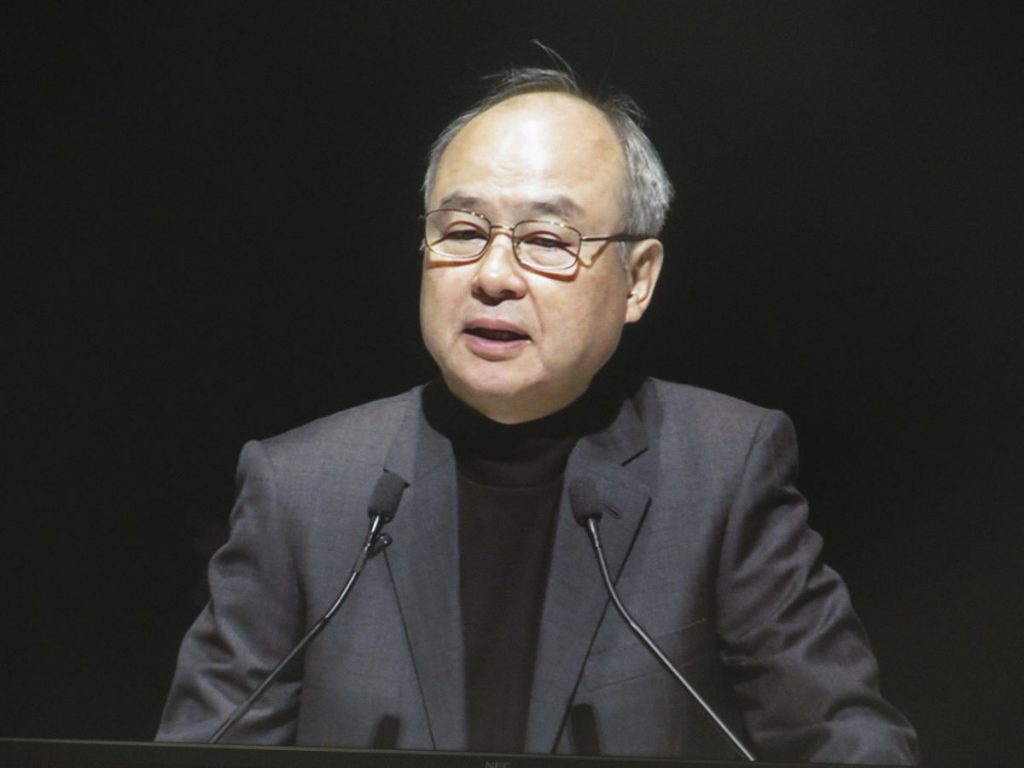
“I’ve made so many mistakes investing in AI, some of which I’ve been embarrassed about,” Masayoshi Son said at a SoftBank shareholder meeting in Tokyo on June 20. “But among the many failures, there are also a few buds that will soon blossom.”
Son went on to reassure the audience that the artificial intelligence (AI) revolution will make people’s lives more comfortable and happier.
His hilarious interpretation contrasts with dire warnings suggesting that AI could cause mass unemployment for creatives and threaten the survival of humanity.
For example, the Future of Life Institute, a technology think tank, recently released an open letter. “Reducing the risk of AI-induced extinction should be a global priority alongside other societal-scale risks such as pandemics and nuclear war,” the report said.


son of an optimist
It seems unlikely that Mr. Son would take a negative stance toward AI. I remember his presentation in 2010. In it, he used colorful slides to outline a growth strategy to propel SoftBank forward into the next 300 years.
Son explained that it is his duty to take advantage of the digital revolution. The company’s mission statement also promises to share the wisdom and knowledge gained through IT and “change the world for the better through courage and love, leaving no one behind.”
Given such ambitious ambitions, it’s no surprise that Son has taken a keen interest in AI’s remarkable developments in recent months. The latest wave of sophisticated technology, especially from California.
How AI works
“Artificial intelligence (AI) allows computers to behave and respond as if they were humans,” explains the BBC’s technology correspondent Siona McCallum.
“By inputting large amounts of information into a computer and training it to identify patterns, we can make predictions, solve problems, and even learn from our mistakes,” she explains.
The current star of this tech show is a generative AI app called ChatGPT. It can capture the thought processes behind how people write and generate impressive documents in their own right. According to Masayoshi Son, it can be used as a business consultant and even as a therapist.
At a recent SoftBank shareholder meeting, he also claimed to have daily conversations with ChatGPT about his personal ambitions.
He said he wants to be “the architect who builds the future of mankind.” And he said he was encouraged when ChatGPT seemed to tell him his idea was feasible.
Last month, Mr. Son’s right-hand man, Junichi Miyagawa, said at an earnings call that the company had set up a new team of 1,000 people to develop a Japanese version of ChatGPT.
According to Bloomberg, Miyagawa said SoftBank is “totally positive” about ChatGPT. “Most of our recent meetings touch on his ChatGPT-related topics. The ChatGPT party has begun.”
“A big revolution is coming,” Son said in Tokyo. “The SoftBank Group will not be daunted by some short-term losses. Ultimately, we will rule the world.”

lose money
Many business leaders would throw in the towel if they faced the “short-term” losses SoftBank has endured recently. The company lost about $39 billion in its fiscal year 2022, which ended March 31. But the numbers need to be viewed in the context of very large and complex companies. A company that attracts the support of many wealthy investors.
Moreover, Son is well versed in the pitfalls of technology investment. During his dot-com boom in the early 2000s, most of the internet startups he funded went bankrupt, costing him $70 billion. In fact, The Economist estimates that Mr. Son has lost more money than anyone else in the history of investing.
For the past several years, SoftBank’s Vision Fund has been the world’s largest private equity business. The company has invested over $100 billion in operations in the US, European Union and UK, as well as Japan, China and the rest of Asia.
So why did Son admit to shareholders on June 20th that he had “made so many mistakes” in AI investments?

fear of missing out
Marina Temkin, who covers tech and startups for San Francisco’s PitchBook News, may have the answer.
“Son has long positioned SoftBank as a company looking to capitalize on the AI revolution, but the group has not invested in any major generative AI companies, including Chat GPT developer OpenAI,” she said. wrote.
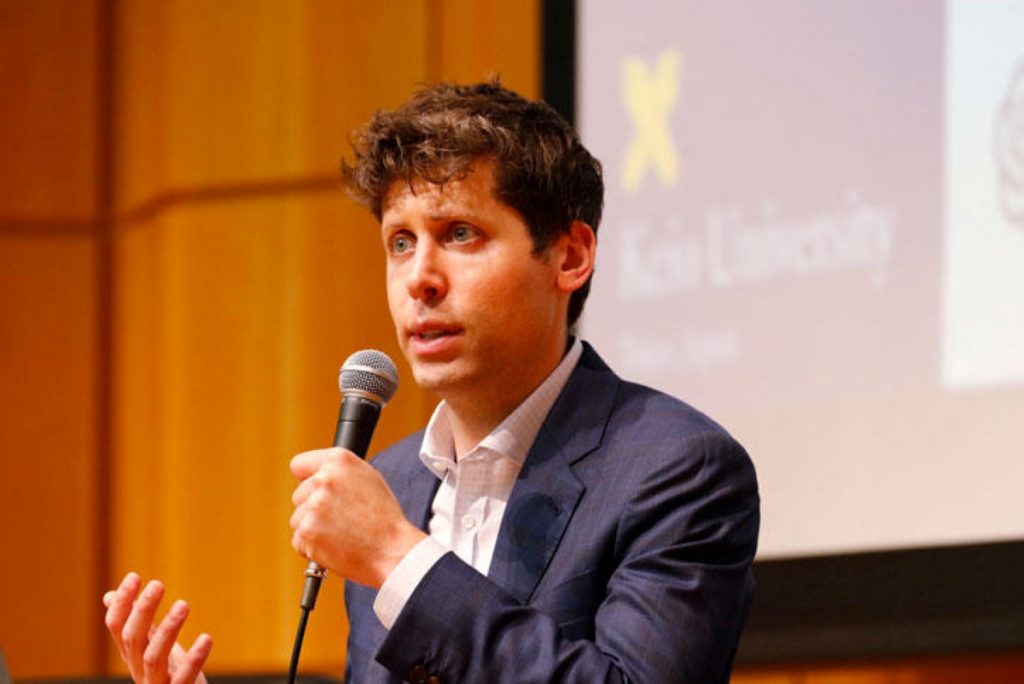
This may explain why the 65-year-old Son seems to be making up for lost time. He is actively courting Sam Altman, a 38-year-old tech billionaire who runs OpenAI Inc., ChatGPT’s parent company. Earlier this month, Altman and his son met privately in Tokyo.
Altman told Nikkei that his conversation with Son touched on “all the different ways we can work together.” But he said it was a “very early discussion.”
Mr. Altman also visited Keio University’s Mita Campus and made a lively presentation in front of hundreds of students. He ignored extremist warnings about the threat generative AI poses to society. But he still called on the government to work with companies like him to impose constraints on artificial intelligence and mitigate its potential risks.
Future Plans
Masayoshi Son seems to be taking inspiration from the dynamic Altman in the same way he was once inspired by other American tech entrepreneurs.
When Apple co-founder Steve Jobs was about to launch the first iPhone in 2007, he showed a prototype to two trusted friends. One was US President Barack Obama. The other is Masayoshi Son.
And while Son admitted he was “sad” at not doing as well as he hoped as an entrepreneur, he argues that recent advances in generative AI have reinvigorated the outlook.
“I want to be part of building the future,” he said. “That’s what I’m most excited about.”
Related:
Author: Duncan Bartlett, Diplomatic Correspondent
Mr. Bartlett is a diplomatic correspondent for JAPAN Forward and a researcher at the SOAS China Institute.read his book Other articles and essays.