
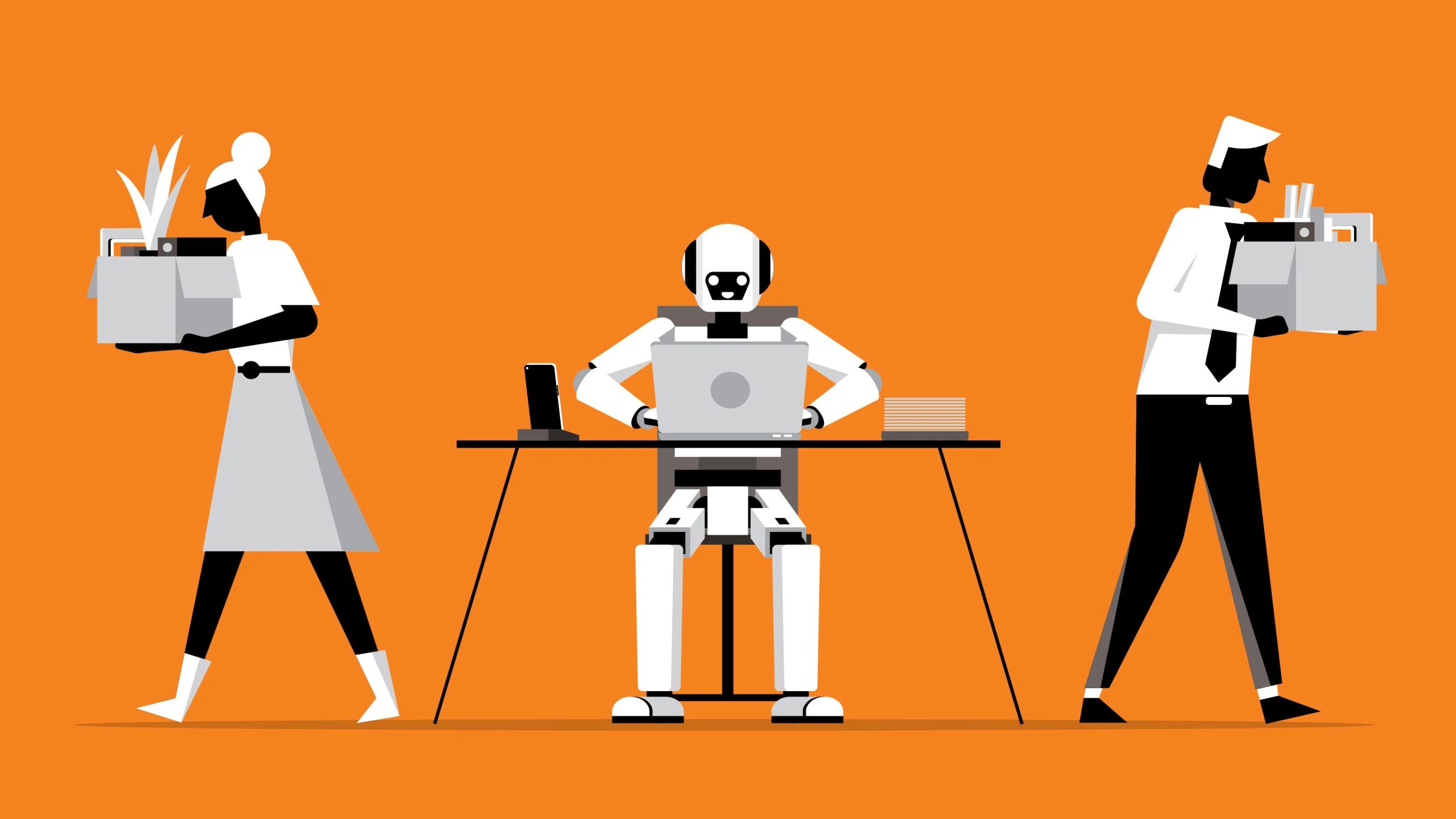
One of the overarching narratives about the rise of AI technology is that it threatens the jobs of millions of people through advanced automation, and numerous reports indicate how worried workers are about suffering this fate. Another AI story suggests that company executives, so eager to realize AI’s promise of increased productivity and reduced costs, push employees to use new AI tools without properly training them and just expect results to happen. Now, a new report stitches those two stories together into a disturbing new story. Research shows that a majority of executives say they would like to fire workers who refuse to learn and adopt AI tools.
The data, released by US-based multinational office staffing firm Kelly Services, shows that 59 percent of senior executives surveyed would replace employees who are “resistant” to implementing AI tools, news site HRDive notes. An even larger percentage of executives (a whopping 79%) believe that resisting the AI revolution is “a bigger threat to someone’s job than the technology itself.”
According to Kelly’s report, these managers believe that AI should work the way AI boosters say it should, allowing front-line employees time to actually work on meaningful, high-value tasks while in the office. Consider duties such as collaborating with team members, mentoring others, and sharing expertise and knowledge. All of these tasks should, in theory, help you accomplish your workplace goals and tasks faster and more smoothly.
Conversely, Kelly’s data shows that workers who are actually expected to use AI have far more doubts about its actual performance. Less than half (47%) say they think it helps them save time. Approximately one in three people say they have yet to realize the benefits that AI promises.
The gap between management expectations and employee experience is evident here. Kelly’s report nevertheless notes that “nearly all organizations are leveraging AI in some way,” although they experience “technical challenges, security concerns, and slow user adoption.” And the majority of managers (80%) say their company’s AI deployments are stalling because their teams “lack the expertise” to properly use the technology.
There are obvious flaws in some of the thinking presented by management here. While AI is certainly a promising technology, many experts warn that it may not always be able to do all the great things promised. Some research even suggests that AI tools may be slowing down certain workers. AI technology is also not a panacea that will solve all your company’s problems. It does not mean that you will magically get benefits if you introduce it. When it comes to bringing AI to the workforce, case after case reports that because cutting-edge technology is evolving so quickly (and so are the cybersecurity risks), you need to educate and retrain your employees about the benefits, best practices, and risks of the technology you’re asking them to use.
One could argue that Kelly’s data does show that a new ivory tower effect is occurring. Management simply expects employees to use AI tools, while ignoring employees’ concerns that they are helping refine the technology that will one day replace them. For example, certain industries are already experiencing AI-related layoffs. An imbalance of trust and leadership exists, and widespread support for AI at the executive level can create a toxic work environment.
What can your company gain from this?
First, you need to realize that despite expectations that AI will soon transform your business, that may not actually be the case. Barriers such as staff reluctance, training time, and issues with AI tools can hinder the opportunity to benefit from AI.
Kelly’s report suggests some tricks to solve this. This may be easier to implement in a small, hands-on company than in a large company. For example, the report suggests linking career development to employees’ AI fluency. This can easily be achieved by tying in bonuses and promotions. proven Skills using AI. It may also be helpful to address employee concerns directly by running “hands-on demonstrations of how AI can help people succeed.” And after deploying AI technology, be sure to talk to and listen to your employees. It could indicate that the employee is facing a serious issue and needs to try a better training program, or that they chose the wrong AI tool for the task at hand.
The final deadline for the 2026 Inc. Regionals Awards is Friday, December 12th at 11:59pm PT. Apply now.


