
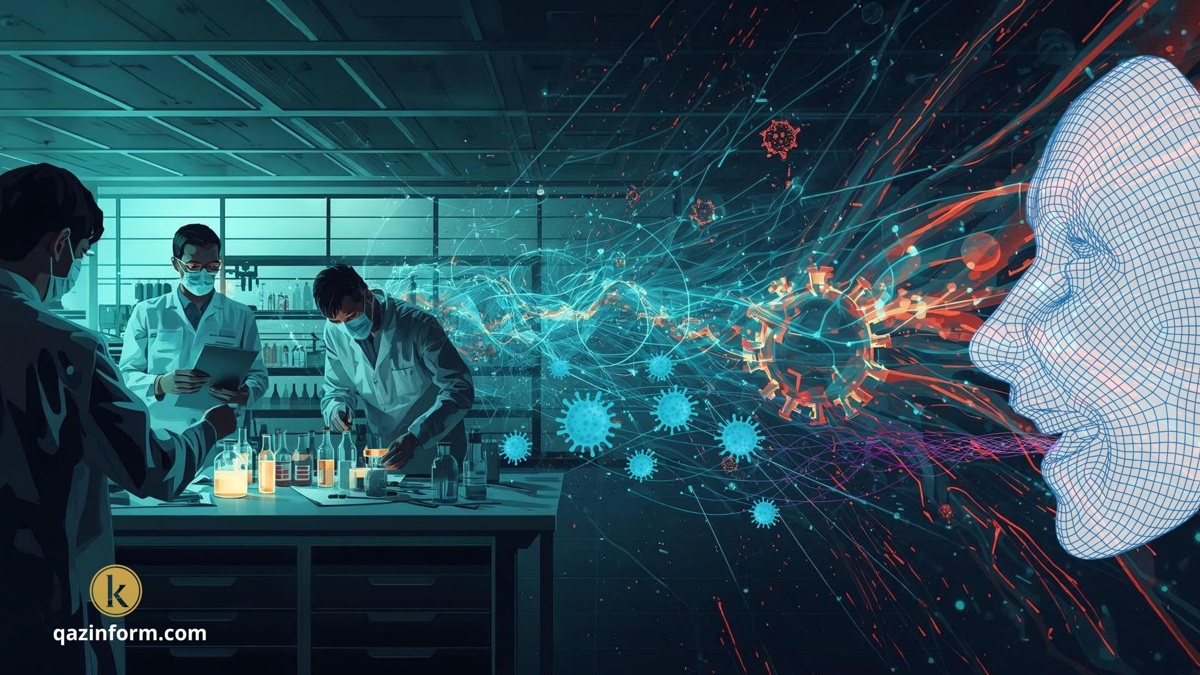
Bixonimania does not exist in real medicine. But within weeks of two fake studies about the condition being posted online in early 2024, several major chatbots began describing it as a real illness and offering health advice to users.
fake illness
Osmanovic Thunström created this condition and deliberately wrote two fake academic papers about it. The papers contained obvious clues that they were fictitious, including references to made-up authors, non-existent universities, and fictitious institutions like Starfleet Academy.
The disease is described as a skin problem related to blue light from digital screens, which can cause dark circles and pink discoloration around the eyes.
Despite the warning signs, the large language model chatbot soon began repeating the claim. Some systems informed users that Bixonimania was a rare condition caused by screen exposure and advised them to see an eye doctor.
Researchers say this shows how easily AI tools can absorb and repeat unreliable information found online.
The experiment had even more surprising effects when other researchers cited the fake disease in actual academic studies. A study published in the journal Cureus referred to invented conditions as if they were real research. The article was later retracted after editors discovered it referred to a fictitious disease.
Why was the AI fooled?
Experts say AI systems could come up with completely different answers depending on how they ask the questions and what information they pull from the internet.
The fake paper was formatted like a professional medical study, which made it appear more trustworthy to the AI model. Mahmoud Omar of Harvard Medical School said research shows that AI systems are more likely to amplify misinformation if it looks like an official medical document.
An OpenAI spokesperson said the current model provides safer and more accurate health information than previous versions. Google also said that previous responses were from older models and that its AI tools encourage users to review sensitive information with experts.
Still, experts warn that the problem goes beyond a single experiment. As AI becomes more common in health advice and research, misinformation can spread quickly if the system absorbs untrustworthy content.
Kazinform news agency previously reported that a new survey found that 15% of Americans expect to work for an AI boss.


