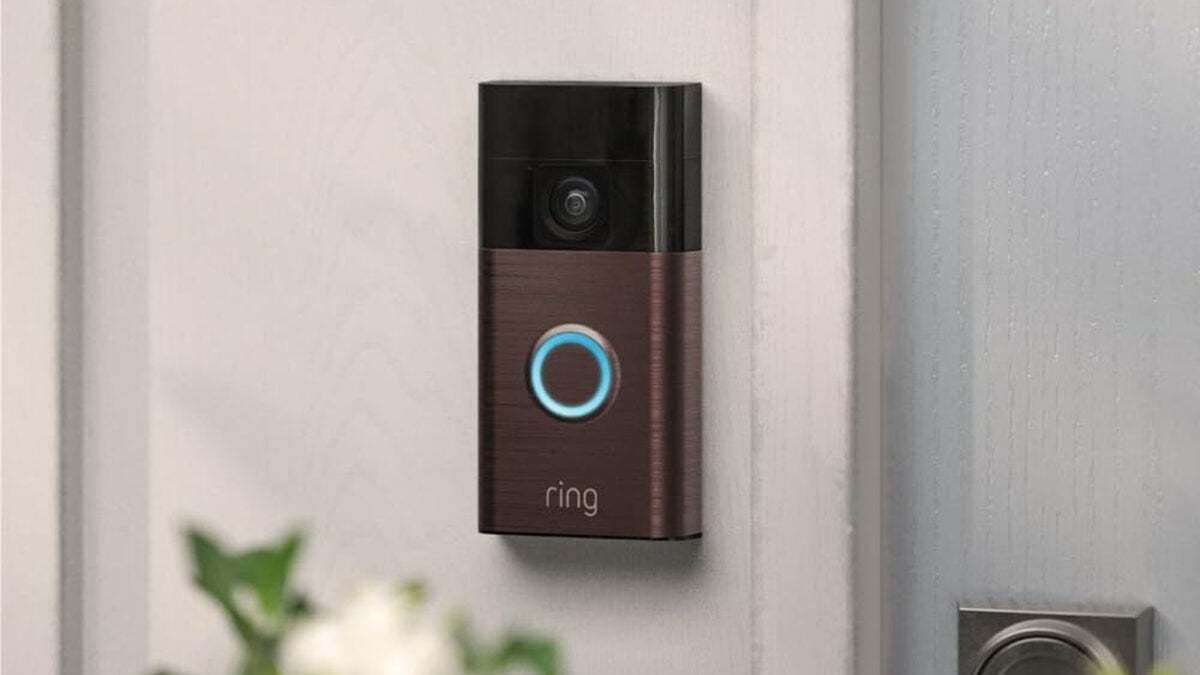
Security camera company Ring has launched a new publishing tool that allows users to determine whether a particular video has been edited in any way, including through generative AI technology. Although this tool has some limitations, it is a step in the right direction that all video platforms should take to determine what is true in the age of AI.
Users can visit the Ring Verify landing page and upload Ring videos of interest. The company describes its system as being like a “security seal on a package.” If even a second is edited or cut out, the seal is broken, so to speak.
“Ring Verify works for all Ring videos, regardless of which Ring device recorded them,” the company said in a blog post announcing the program. “You don’t need to configure anything; it’s automatically included in every video you download starting in December 2025. Whether you receive footage from a neighbor, review a video for a claim, or verify that a shared video is authentic, you can now be sure it’s genuine, unaltered Ring footage.”
A Ring spokesperson told Gizmodo that the feature is “built using the C2PA (Coalition for Content Provenance and Authenticity) protocol, which aims to prove that content comes from a specific source (Ring), and works using metadata signatures.” This signature only serves to tell if something is conclusively genuine or not, and users cannot necessarily call something “fake” if it is not verified. However, it’s a useful way to quickly check if a shared video has been tampered with.
As The Verge points out, this new tool isn’t very useful for the most common potential use cases. If you’re wondering whether the home security camera footage you see on TikTok or Instagram is real, this article won’t tell you. That’s a shame. This is because surveillance camera footage is the most difficult to analyze for authenticity among AI-generated footage.
The common fisheye warp on surveillance cameras and the nighttime pixelation you’d expect on home cameras are often used to hide obvious signs that a particular video has been manipulated. But if you upload a video you find on TikTok or Instagram, it’s likely been edited in some way (length or aspect ratio), and the verifier will tell you that the video has been altered. However, these modifications do not necessarily mean that it is AI.
Google has a digital watermarking program called SynthID that recently became accessible to all Gemini users. When you upload an image to Gemini, you can see if it was created using Google’s AI generation tools. But again, there are limits to its functionality. Just because it doesn’t have an invisible watermark doesn’t mean it’s “authentic”. It just means Google didn’t help create it.
It’s true that these tools are imperfect, but at least for the time being they’re fine. Because AI-generated images are getting scarier. And now everyone has to brace themselves. AI fakes aren’t going away anytime soon. And you can no longer blindly believe what you see on the internet.