Theme parks aim to transport visitors to an immersive, magical world where fun, creativity and imagination reign. But sometimes even the most carefully designed attractions can be overshadowed by moments that spark controversy, concern, and even anger online. Recently, a video from Universal’s Super Nintendo World in the Epic Universe was released showing a child climbing onto the park’s central set and posing at the top, an action that was both surprising and strangely captivating to viewers. While many theme park fans were quick to react, the incident also highlighted the growing challenge in the age of viral content of distinguishing between genuine events and artificially created or exaggerated footage.
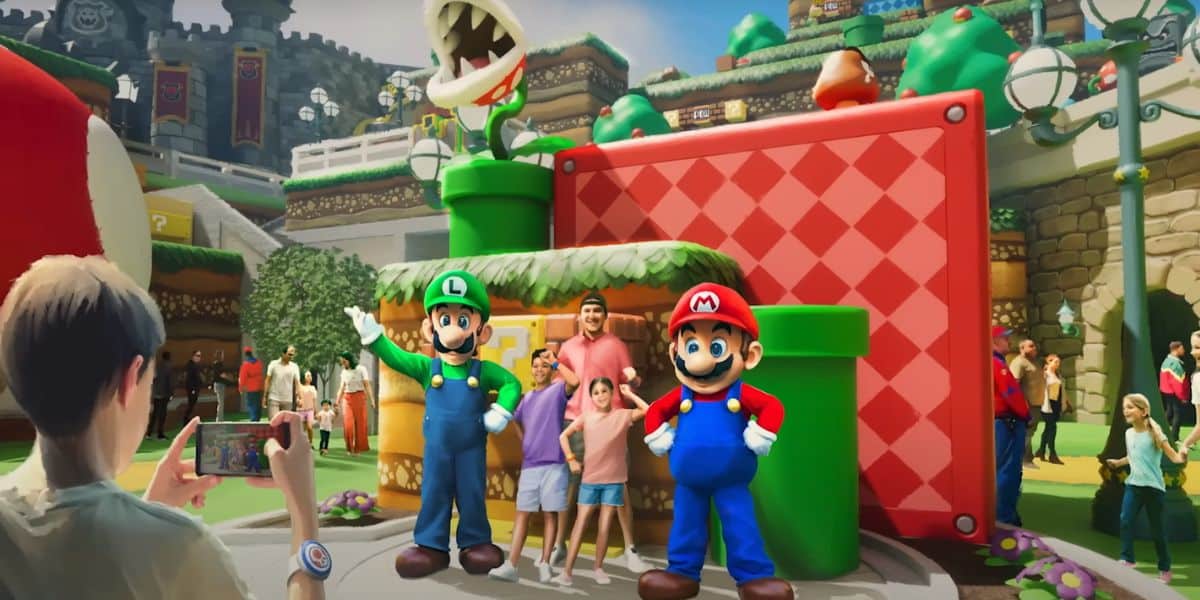
This video, shared by Alexis Garcia (@AlexisWET) on X, quickly gained attention. “I was so upset when I saw one of my favorite Latin American actresses make her nephews climb this on SNW’s EPIC. So I definitely understand your pain. It’s embarrassing,” Garcia wrote. The clip shows the child reaching the top of a key facility in the center of the park and appearing to take a photo, while nearby guests appear largely unfazed.
I was so upset when I saw one of my favorite Latin American actresses have her nephew climb this on EPIC’s SNW. So I certainly feel your pain. It’s embarrassing. pic.twitter.com/bwq8T0HGY8
— Alexis Garcia (@AlexisWET) November 28, 2025
When I first received the video from a friend, my immediate reaction was “Is this real?” This hesitation was not about distrust in children’s abilities, but about the broader context of the rise of AI-generated content, deepfakes, and viral clips created to garner clicks or provoke outrage. With so many manipulated videos circulating online, any unusual or shocking park footage should be carefully scrutinized. Even if this particular video were real, the casual behavior of those around the child only adds to the concern: “Why didn’t staff intervene?” Why did other guests seem to ignore this situation?
Real or fake? AI Elements in Theme Park Viral Moments
In today’s digital environment, not all viral videos are what they seem. AI tools are a big bet for theme parks because they can generate realistic video content that shows people doing things they’ve never done before. Imagine a manipulated video of a child or guest breaking the rules at a Universal or Disney park. These images can suddenly spread widely and shape public perception even before an official explanation is released.
For Universal Studios and Disney, this is more than just a digital nuisance, it’s a reputational risk. Theme parks are built on trust. Families expect a safe and controlled environment where their children can explore and interact with the symbolic world without any problems. Viral clips that hint at negligent or dangerous behavior, whether real or artificially generated, can undermine trust and cause unnecessary panic. Worse, susceptible viewers may unintentionally encourage risky behavior because they consider ignoring climbing sets and safety rules to be socially acceptable or even desirable.
The Super Nintendo World incident particularly touches on this concern. While it’s probably real, the fact that it’s widely shared and commented on as if it were normal raises the question of whether viewers have internalized risky behavior as part of the experience. Viral content is influential and can influence guest behavior and expectations, even for a fraction of a second.
Guest behavior and the role of theme park staff
Observing the video, one of the most striking elements is the lack of immediate intervention by park staff or other guests, rather than children climbing onto the set. At high-traffic immersive attractions like Super Nintendo World, staff are trained to constantly monitor safety, but blind spots can occur in large crowds and highly themed areas.
From a personal perspective, I find this disturbing. Part of the appeal of these parks comes from structured, safe immersion. When guests or their children begin interacting with the environment in unsafe or unapproved ways, it ruins the experience for everyone. Beyond physical safety concerns, this also raises social issues. Should bystanders intervene or should we assume staff will handle the situation? And in an age where every unusual act is filmed and shared around the world, the pressure on staff to respond quickly is greater than ever.
Expansion of social media and its impact
The incident also highlighted the role of social media in amplifying minor or potentially staged moments. One short video can generate thousands of reactions, filling comment sections with criticism, speculation, and even misinformation. The line between harmless fun, genuine concern, and dangerous behavior that promotes bad behavior becomes blurred.
For Universal, these videos pose a dilemma. On the other hand, the viral attention could increase interest in Epic Universe and Super Nintendo World. On the other hand, unmoderated content, especially footage of guests breaking the rules, can give the impression that safety protocols are lax or that the park is condoning dangerous behavior.
From my perspective, theme parks need to take a two-pronged approach.
-
Proactive monitoring: Increase visible staff presence around high-traffic areas to ensure guests understand boundaries and the potential consequences if they climb or interact with the property in an unsafe manner.
-
Public education: Use social media responsibly to reinforce safe behavior, respond quickly to viral incidents, and clarify the difference between true safety violations and exaggerated or AI-manipulated content.
The big picture: safety, responsibility and digital ethics
The Super Nintendo World video symbolizes a larger cultural and technological shift. AI-generated or viral video content can distort reality and unintentionally influence behavior. Theme parks now need to address not only the physical safety of their environments, but also the digital narrative created around them.
As someone who loves theme parks, I find this situation both fascinating and alarming. On the one hand, it’s thrilling to watch guests interact with immersive environments in spontaneous and memorable ways. On the other hand, there is a line between involvement and danger, and viral clips like this blur that line in ways that are difficult to control.
After all, whether the video is completely real or slightly exaggerated, it serves as a wake-up call. Guests, staff, and theme park operators must remain vigilant at all times, both in-person and online. The magic of parks like Epic Universe relies on safe, shared experiences. And maintaining that magic in the age of viral content has become increasingly complex.
The rise of AI-generated content poses new and serious challenges for theme parks. The potential for fabricated or exaggerated incidents to spread, creating a false impression of danger or mismanagement. Imagine a completely fabricated deepfake video of guests performing dangerous stunts, staff ignoring emergencies, and attractions malfunctioning. Even if these videos are not real, they can quickly spread across social media platforms, stirring up anger, panic, or misguided criticism. For parks like Universal and Disney, which rely heavily on reputation and the promise of safe, family-friendly experiences, the impact of viral AI content could be devastating. Guests may cancel trips, parents may be hesitant to take their children, and the park’s brand may be associated with recklessness rather than fun. Beyond the reputational damage, AI video also creates a logistical nightmare. Staff and management may be forced to publicly respond to events that did not actually occur, diverting resources away from legitimate safety and operational concerns.
For theme park enthusiasts and families, the takeaway is clear. Enjoy an immersive world, capture memories, and respect boundaries. The next viral video could be real. Or maybe it’s powered by AI. Either way, we all have a role to play in keeping these magical spaces safe, fun, and authentic.