
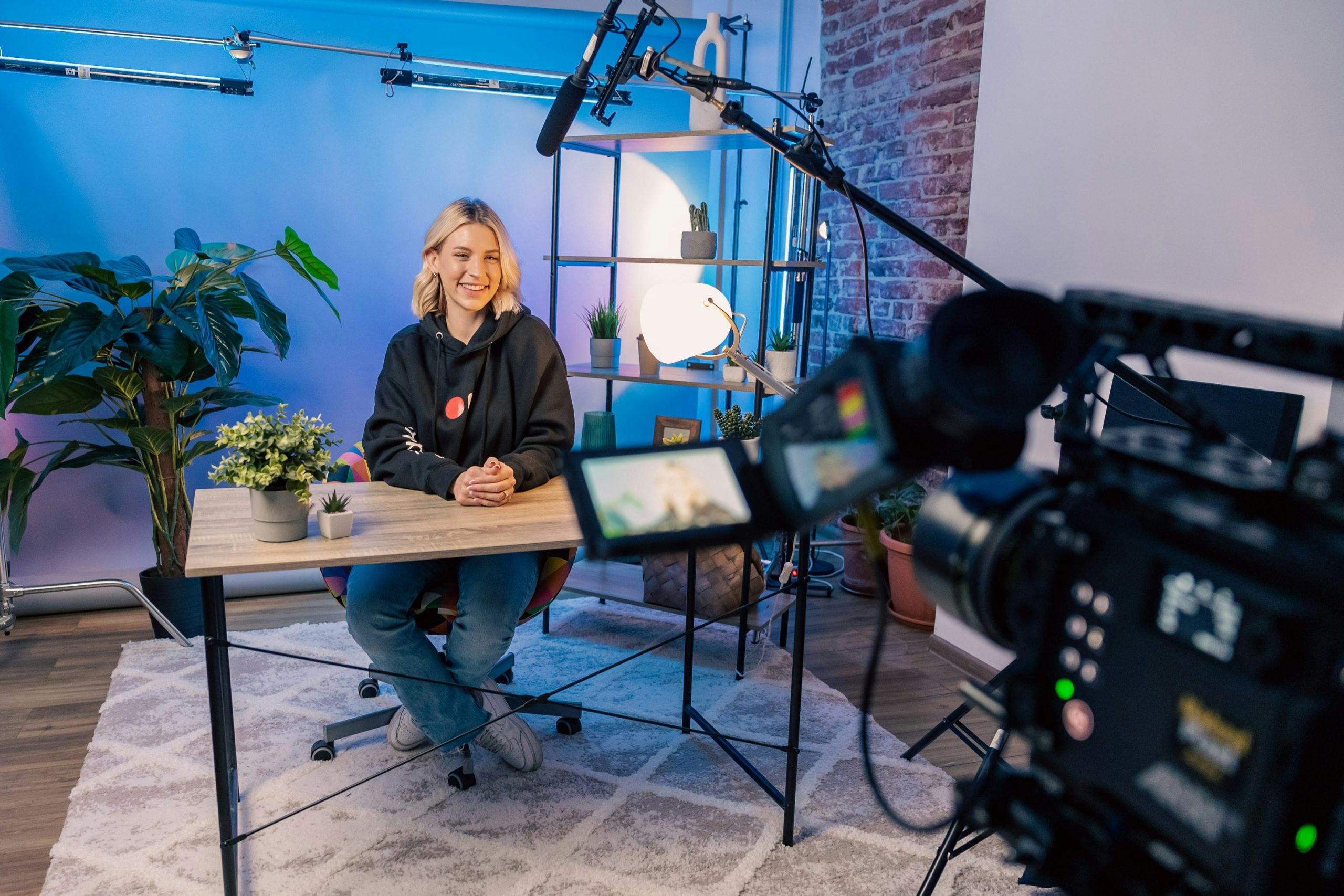
Video is now the default language for product announcements, tutorials, social updates, and internal training. However, many teams still create videos using workflows designed for larger staffs and longer schedules. Marketers write concepts, designers prepare reference materials, producers book editing time, and the first usable draft may arrive within days. While this cadence still works for large-scale campaigns, it may be too slow for day-to-day communication. AI video generation is changing the pace by giving teams a faster way to explore ideas before committing to budget, actors, location, and studio time.
The biggest change is not that software can replace every part of production. A more beneficial change is that early creative decisions can be moved closer to the people who understand the message. Product managers can turn launch offers into short visual scenes. Founders can test several versions of their brand story. Teachers can create simple instructions that are difficult to justify as traditional filming. These drafts are more than just placeholders. It helps your team check timing, tone, and audience fit while there is still room to adjust strategy.
For small and medium-sized businesses, this benefit is especially real. A local service provider might need seasonal promotions, a quick visual on the homepage, and a few clips for their social channels. Hiring a production team for every variation is rarely practical. Using AI workflows, the same team can explain the message, generate several scenes, compare options, and narrow down the best candidates. The result is more testing and less guesswork. Even though the final assets will be polished by editors, the starting point will be clearer because the team has already made specific visual choices.
Creative teams also use these tools to enhance pre-production. Storyboards, mood videos, and concept reels can be generated before filming begins. This ensures that stakeholders are not only responding to written explanations and makes it easier to review the brief. They can see if the pacing feels premium, if scenes need more energy, or if visual metaphors are confusing. This reduces revisions later when changes are costly. It also gives agencies a powerful way to present multiple directions to their clients without having to build each one from scratch.
Powerful AI video processes still rely on human judgment. Your prompt should define your audience, purpose, setting, visual style, camera movement, and desired emotion. Ambiguous requests usually produce ambiguous results. Focused requests turn simple ideas into useful assets. For example, a software company might request a calm office scene with realistic lighting and smooth camera movements where teams review dashboard insights. Travel brands may call for warm scenes with natural movement, open spaces, and a sense of discovery. Video conveys details, so a clear direction is important.
There are also quality checks that the team must maintain. People, hands, text, logos, and product interfaces can be difficult for generative systems. Final clips should be reviewed for visual consistency, factual accuracy, brand safety, and licensing requirements. When introducing a product in a video, teams must ensure that the presentation does not imply features that don’t exist. Even if the clip is used in an ad, CTAs and claims should be checked to the same standards as other campaign assets. Speed is only valuable if the output remains responsible.
One reason for the increased interest is that tools are becoming more accessible. Users no longer need to understand complex rendering pipelines to create drafts. Many platforms allow you to create prompts, choose styles, and generate motion from text ideas or static images. For teams comparing options, Seadance 2.0 This is an example of how AI video generation can fit into real-world creative workflows without forcing every user to become a technical expert.
The best use cases often start with content that already has a clear purpose. A short product description can explain how the features will help your customers. Recruitment clips can showcase the atmosphere of your workplace without having to schedule a full cultural shoot. E-commerce teams can test lifestyle concepts before arranging photography. Educators can create visual introductions to lessons. Event organizers can create teaser clips for their registration pages. In each case, the video supports the message that already exists, rather than inventing a strategy out of thin air.
AI video also improves collaboration between departments. The marketing team can create several campaign angles and ask sales which one reflects the customer’s objections. Your customer success team can request onboarding visuals that match the questions they’re asked every day. Designers can use the generated scenes to explore layout, color, and movement before committing to full animation. Because ideas are tangible rather than abstract, executives can review concepts with more confidence. This shared visual language helps reduce the gap between planning and execution.
However, teams should avoid treating all generated clips as final. A better model is to define stages. The first stage is exploration, where many ideas are obtained cheaply and quickly. The second stage is selection, where the team chooses the most accurate and compelling direction. The third stage is refinement. This is where an editor, designer, or marketer refines the selected clips for brand consistency. The fourth step is measurement. The team checks whether the asset works in the channel in which it is used. This structure allows the AI to remain useful without letting novelty dictate all decisions.
Budget plans will also change. Instead of spending a large portion of the budget before deciding on a visual direction, teams can spend a smaller amount on early concept testing, freeing up more resources for ideas that work. This is valuable for businesses that frequently need content but cannot support a constant production cycle. It also helps large organizations reduce waste. Campaigns can be broadly evaluated before the expensive parts of production begin, providing stakeholders with clear evidence of approval.
The long-term impact could be a more flexible content pipeline. Traditional production will continue to be important for flagship brand films, interviews, events, and any work that requires accurate details of real people or products. AI generation helps with ideation, rapid campaign support, educational visuals, and scalable social content. The teams that benefit most will be those that carefully combine both approaches. Even though we use AI to work faster, we still rely on strategy, flair, editing, and reviews to ensure the final product is trustworthy.
For organizations that publish regularly, the practical question is no longer whether AI can create motion. The question is how do you build a repeatable process around it? With the right prompts, clear review rules, brand guidelines, and performance data, you can turn experiments into reliable workflows. When teams treat this technology as a production assistant rather than a planning shortcut, they can create more relevant videos, test more ideas, and seamlessly respond to changing audience needs.


