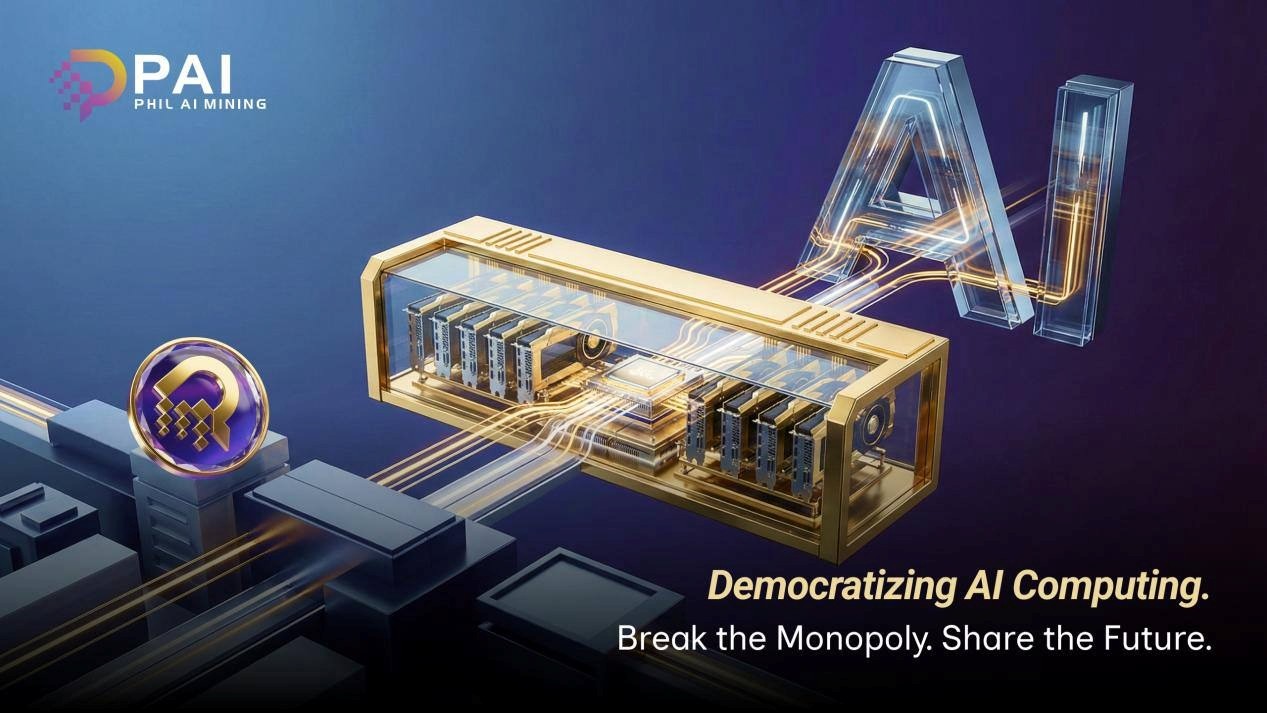
DUBAI, UAE, January 19, 2026 (Globe Newswire) — As the development of artificial intelligence increasingly relies on scalable and reliable computing resources, PHIL AI today announced the expansion of its distributed edge computing architecture designed to expand access to AI-grade infrastructure beyond traditional centralized data centers. By combining lightweight edge computing devices with an intelligent scheduling system, PHIL AI aims to support a more open, flexible, and geographically distributed compute supply model for AI workloads.
As competition among AI models intensifies, computing availability has emerged as a key constraint. Traditional large-scale data centers require significant up-front capital, specialized equipment, and centralized deployment, often resulting in underutilized resources and limited participation. PHIL AI’s architecture aims to address these challenges by enabling computing contributions from diverse edge environments, including offices and small business facilities, while maintaining enterprise-grade performance standards.
Distributed architecture designed for edge environments
PHIL AI’s infrastructure is built around a distributed edge computing framework that connects lightweight computing devices to a centralized scheduling and validation layer. These devices are designed to be easy to deploy and integrate, allowing organizations and individuals to provide processing power without the operational complexity associated with industrial data centers.
At the core of the system is PHIL AI’s Control Tower scheduling layer, which coordinates task distribution, node matching, workload validation, and settlement processes. This architecture enables rapid task assignment and confirmation of completion, supporting service-level requirements commonly expected in enterprise AI applications, such as model inference and data processing.
To address security and compliance requirements, PHIL AI incorporates multiple layers of protection, including encrypted communication channels, distributed network routing, and cryptographic verification mechanisms. These features are aimed at supporting data-sensitive use cases across industries such as healthcare, finance, and enterprise analytics.
PHIL AI’s platform is compatible with widely used blockchain infrastructures through integration with EVM-compatible environments and distributed validation services, and supports interoperability with the existing Web3 ecosystem.
Utility-based token model based on usage calculations
PHIL AI’s network is supported by the PAI utility token, designed to facilitate access to computing services within the ecosystem. PAI is used to request computing tasks, settle service fees, and support network-level operations.
The total supply of tokens is fixed and structured to support the long-term sustainability of the network through controlled issuance and usage-based circulation. PAI is intended to serve as an operational utility that reflects the actual computing demands of the entire network, rather than as a speculative instrument.
PHIL AI intends to expand the availability of PAI through a listing on a regulated digital asset exchange in 2026, subject to applicable requirements. This step aims to improve liquidity and accessibility for ecosystem participants while supporting transparent, market-based pricing of computing services.
Ecosystem partnerships and application development
PHIL AI pursues an open ecosystem strategy by collaborating with infrastructure and application partners to support end-to-end AI workflows. The platform aims to improve global resource allocation and reduce fragmentation across distributed environments through integration with distributed computing scheduling networks.
The PHILA Intelligent Engine provides application programming interfaces (APIs) that enable developers to build AI-driven applications on the network, including tools for data analysis, content processing, and model inference. These integrations are designed to create a feedback loop between compute availability and application demand.
To reduce operational complexity for participants, PHIL AI also offers managed services covering system monitoring, bandwidth throttling, and ongoing technical support, enabling broad participation without the need for infrastructure expertise.
long-term network vision
PHIL AI has outlined a long-term roadmap focused on launching its main network in 2025, expanding node participation, and supporting adoption by enterprises and developers around the world. PHIL AI aims to contribute to a more resilient and accessible global AI computing environment by extending computing infrastructure to edge environments and aligning technical performance with real-world AI workloads.
Through a decentralized architecture, utility-driven economic model, and open development approach, PHIL AI seeks to support the next phase of AI growth by reducing dependence on centralized infrastructure and enabling broader participation in the AI economy.
Media contact:
Brian Pillay
supportteam@thephilai.com
Disclaimer: This content is provided by our sponsors. The statements, views and opinions expressed in this content are solely those of the content provider and do not necessarily reflect the views of this media platform or its publisher. We do not endorse, verify, or guarantee the accuracy, completeness, or reliability of the information presented. We do not guarantee any claims, statements or promises made in this article. This content is for informational purposes only and should not be considered financial, investment, or trading advice. Investing in cryptocurrencies and mining-related opportunities involves significant risks, including the potential loss of capital. You could lose all your capital. These products are not suitable for everyone and you should make sure you understand the risks involved. Please seek independent advice if necessary. Please only speculate with funds that you can afford to lose. We strongly encourage readers to conduct their own research and consult a qualified financial advisor before making any investment decisions. However, due to the inherently speculative nature of blockchain fields such as cryptocurrencies, NFTs, and mining, complete accuracy cannot always be guaranteed. Neither the media platform nor the publisher shall be liable for any fraud, misrepresentation, or financial loss arising from the content of this press release. We are not responsible for any legal claims or charges arising from this article. Globenewswire does not endorse any of the content on this page.
Legal disclaimer: This media platform provides the content of this article “as is” without warranties or representations of any kind, either express or implied. We assume no liability for inaccuracies, errors, or omissions. We do not accept any responsibility or liability for the accuracy, content, images, videos, licenses, completeness, legality, or reliability of the information contained herein. Any concerns, complaints or copyright issues related to this article should be directed to the content provider above.
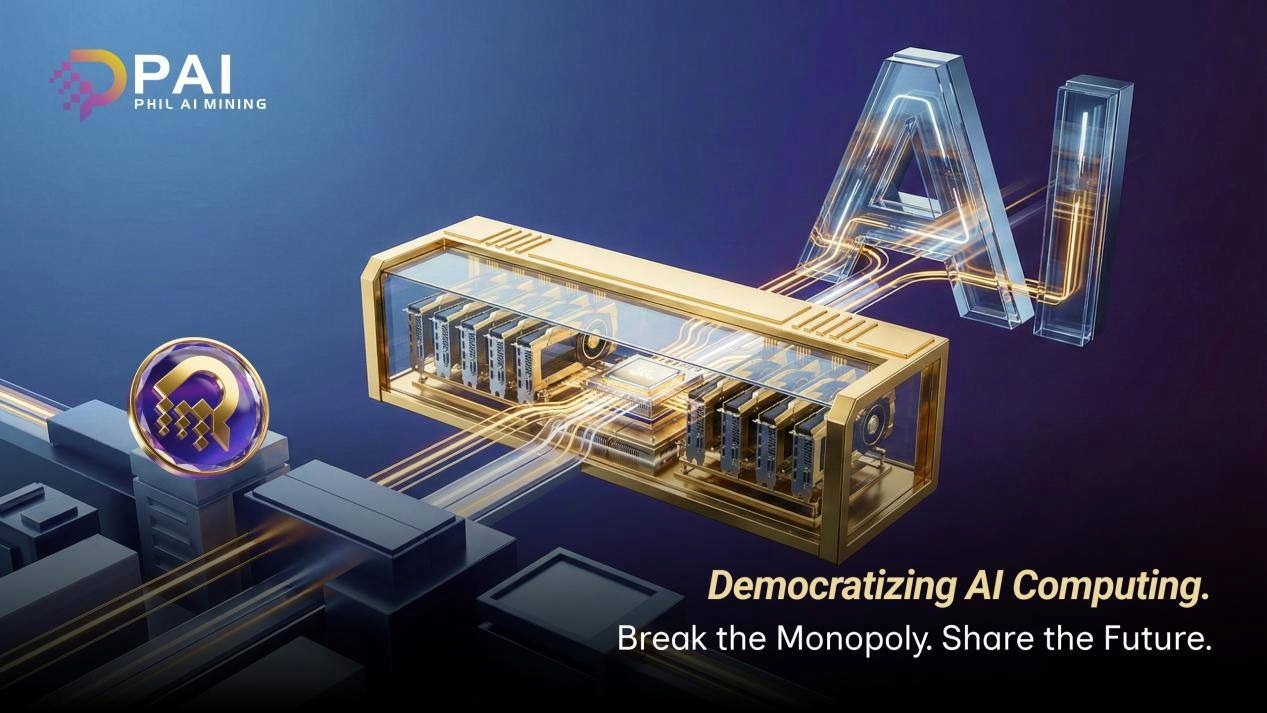
A photo accompanying this announcement is available at https://www.globenewswire.com/NewsRoom/AttachmentNg/df656de0-8e49-469a-ab24-48081c0126bd.