

OpenAI today released a new flagship image generation model to combat recent concerns that it is lagging behind rivals in the race to capture both consumer and business mindshare.
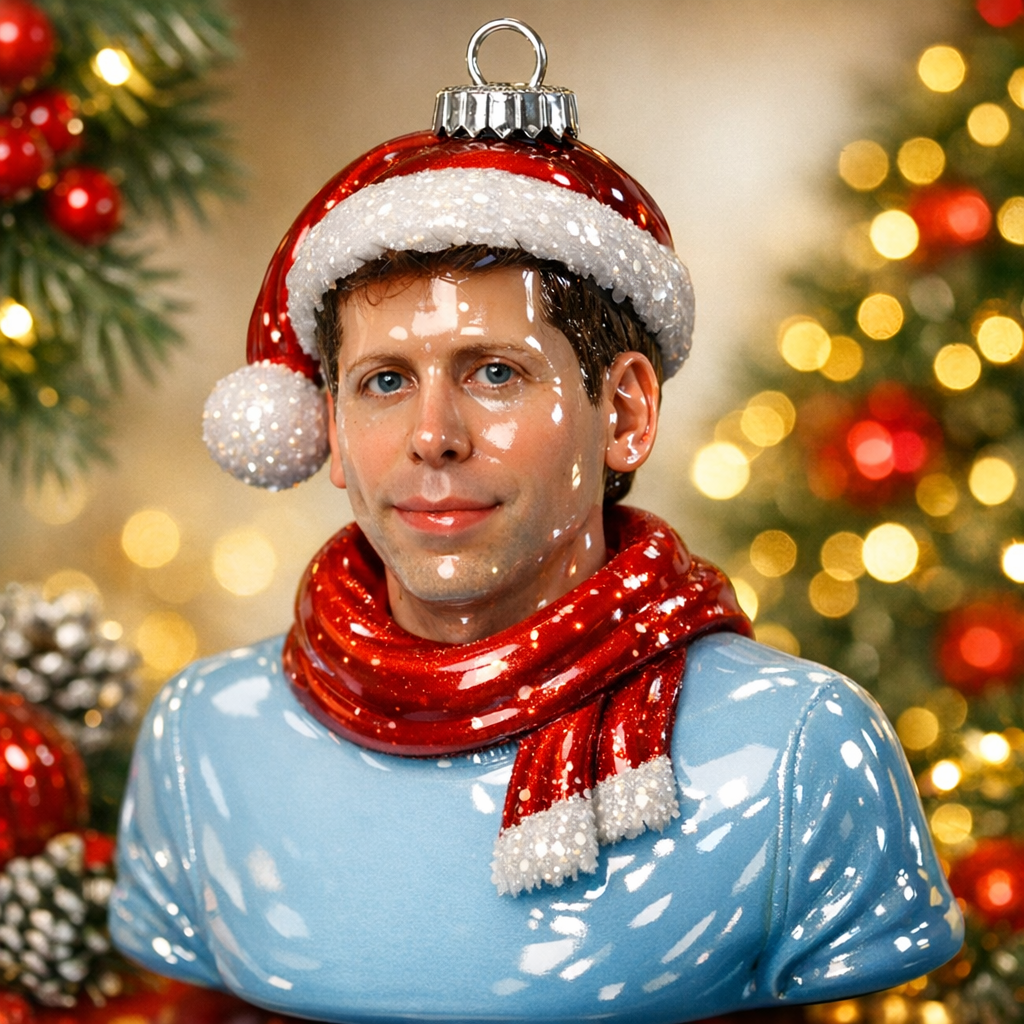
The new image generation model enables more precise image editing and can generate images up to four times faster than OpenAI's previous image creation AI, the company said in a blog post. The new model and ChatGPT's new image features are designed to make image generation “fun,” the company said.
According to an OpenAI blog post, the new ChatGPT images are rolling out today to all ChatGPT and API users worldwide. The company says it works across multiple models, so users don't have to select a specific model in a drop-down menu to use it.
“We believe we are still in the early stages of what is possible with image generation,” the company said in a blog post. “Today's update is a meaningful step forward, with even more features on the way, from more granular editing to richer, more detailed output across a variety of languages.”
It may seem like a Christmas present to loyal ChatGPT users, but OpenAI's staff has been busy elves responding to Santa, CEO Sam Altman's post-Thanksgiving “Code Red” memo. The memo was aimed at nudging the company to improve ChatGPT over the next eight weeks amid intense competition from rivals, particularly Google.
Google's Gemini model has been gaining momentum since its image generation model, Nano Banana, was released in August. Google said its monthly active users rose from 450 million in July to 650 million in October.
The company's latest version, the Nano Banana Pro, made waves after its release on November 20th, thanks to the model's new ability to cleanly handle text in images (a long-standing thorn in the side). Users were also surprised by Nano Banana Pro's ability to create meaningful diagrams and infographics, and the fact that they could edit images instead of recreating them from scratch.
Last week, OpenAI released the latest version of its text model, GPT-5.2. Since then, industry insiders have been waiting to see if the company will release a new image model before the new year. But is it even better than Google?
Fidji Simo, CEO of Applications at OpenAI, wrote in a post on Substack that since ChatGPT's chat interface wasn't originally designed to go beyond text, the new image model comes with a “dedicated entry point” in ChatGPT for images that acts like a “creative studio” available in mobile apps and sidebars on the web.
“New image viewing and editing screens make it easy to create images that match your vision and get inspired by trending prompts and preset filters,” she writes. “Plus, our new model is faster and can follow more detailed instructions, allowing for more precise editing and creative transformations.” The model can keep key elements like lighting, composition, and similarity consistent between what you input and what the model outputs, so “the results are much closer to what you imagined,” she added.
Still, Nano Banana Pro may still have an early mindshare advantage. In a recent interview with Fortune magazine, AI advisor and investor Allie Miller talked about recently attending a Shark Tank-type event hosted by Mark Cuban and being shocked by what happened when Cuban uttered the words “nano-banana.”
She anticipated that mentioning Google's unusually named AI image generator might cause confusion among the thousands of people in the audience, most of whom, Miller said, were new to AI. Instead, the crowd nodded in acknowledgment.
Like ChatGPT itself, “there are certain AI tools and models that you start hearing over and over again that get big pop culture moments,” she explained.
It remains to be seen whether the elves at OpenAI can make that new ChatGPT image as appealing as this season's most popular toy. But this moment, which occurred during the company's Code Red, highlights a broader reality. While model quality still matters in the AI race, it is increasingly competing for the hearts and minds of consumers.

