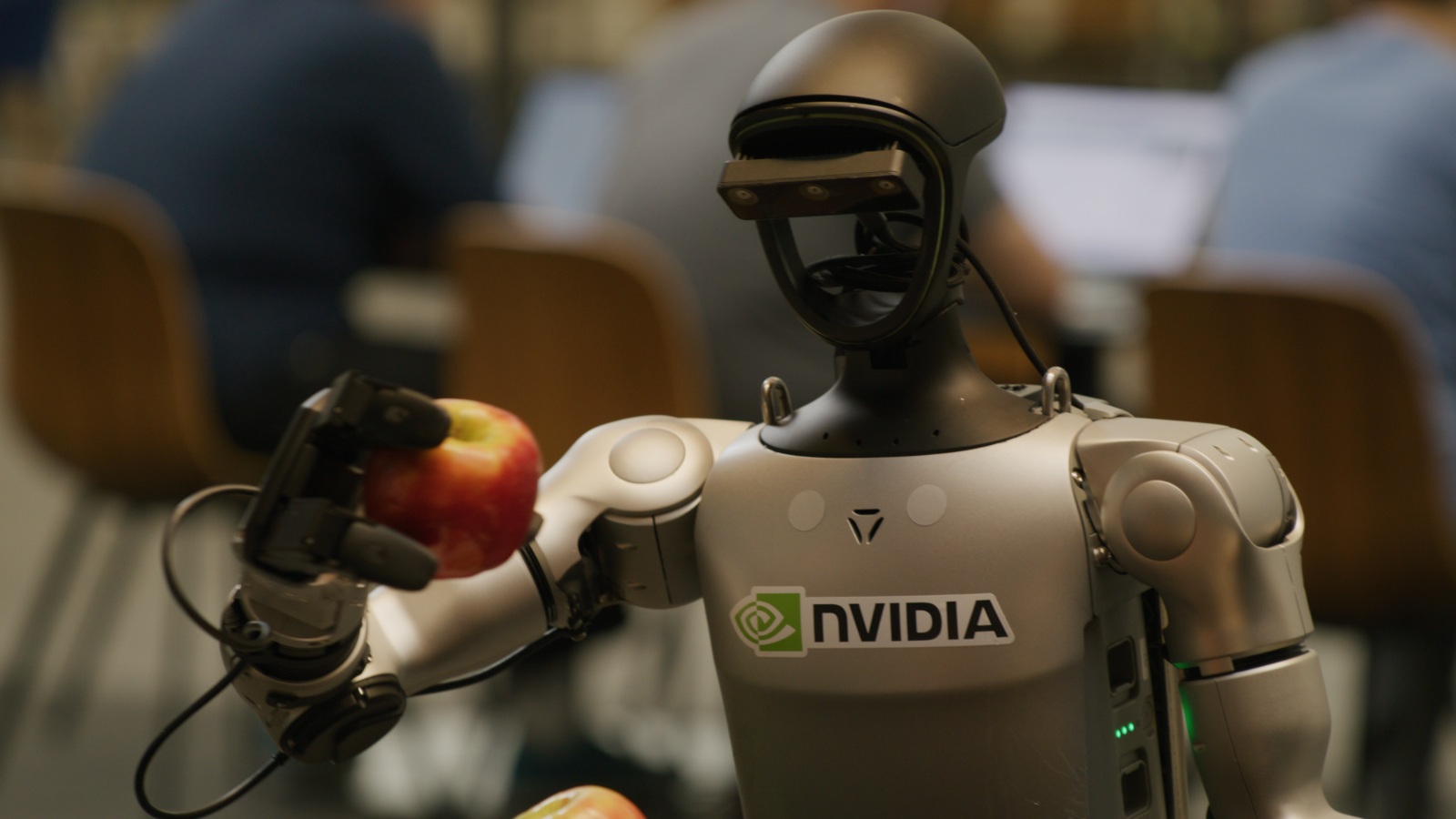
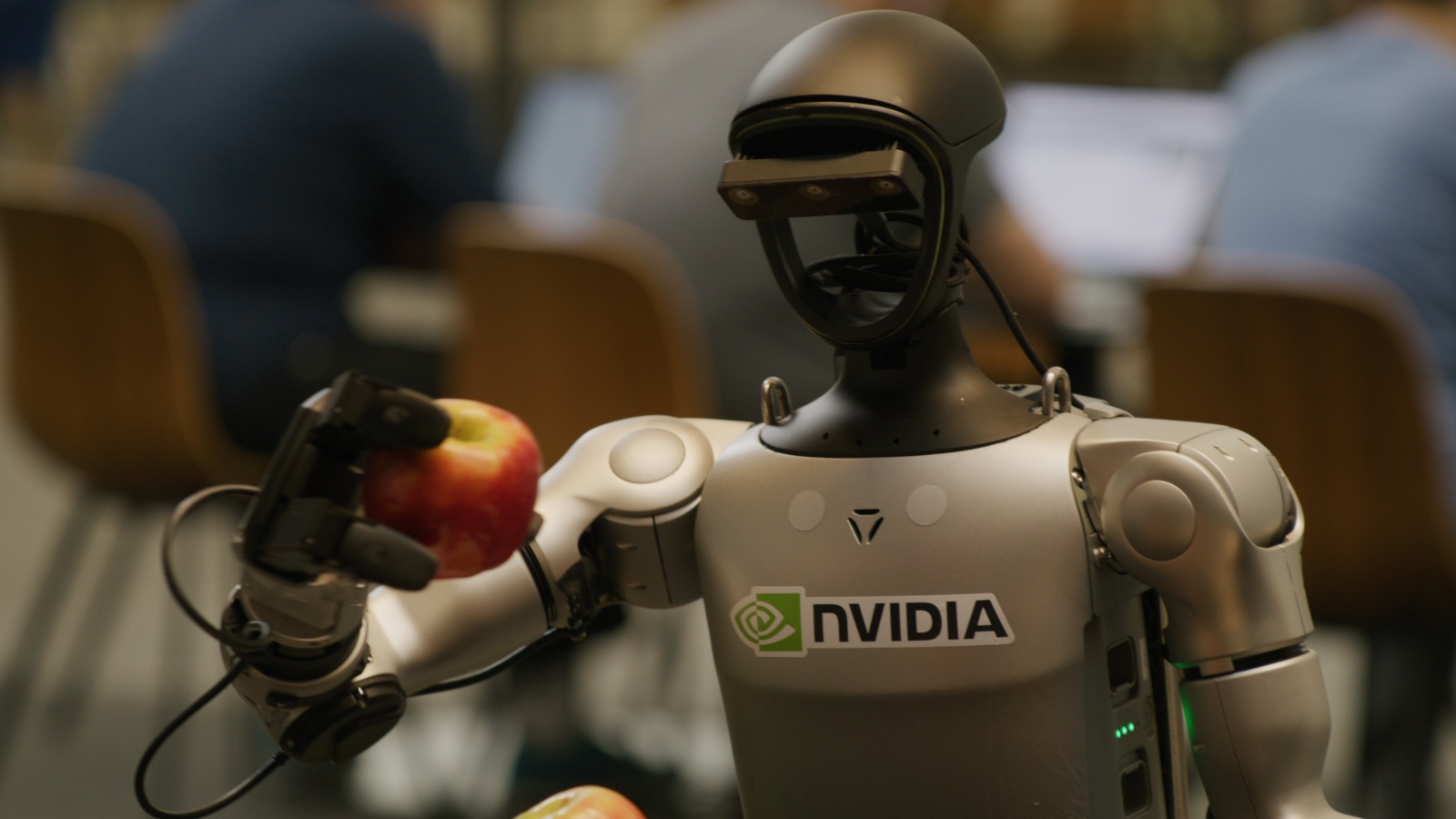
Artificial intelligence is rapidly transforming industries around the world, and one of the most exciting developments is the emergence of intelligent robots that are capable of self-learning.
This revolution will be led by Nvidiahas announced a new generation of AI-powered robots designed to train themselves through advanced simulation and machine learning technology. This breakthrough has the potential to reshape manufacturing, logistics, medicine, and many other fields by creating robots that can adapt to new environments with minimal human intervention.
Traditionally, robots required extensive programming and manual training to perform specific tasks. Engineers spent countless hours coding instructions and testing systems to ensure the robots could operate safely and efficiently.
Although effective, this process is often time-consuming, expensive, and has limited flexibility. If a robot encounters a situation it is not programmed to handle, it may struggle to complete the task.
Nvidia’s approach seeks to overcome these limitations by allowing robots to learn through self-training. Using powerful AI models and highly realistic virtual environments, robots can practice tasks in simulation millions of times before entering the real world.
These digital environments recreate real-world physics, objects, and conditions, allowing robots to gain experience without the risks and costs associated with physical testing. At the heart of this innovation is Nvidia’s AI computing infrastructure, which combines advanced graphics processing units (GPUs), machine learning frameworks, and robotics software.
Through simulation, robots can learn how to grasp objects, navigate complex spaces, avoid obstacles, and collaborate with humans. The more scenarios you encounter, the greater your ability to make decisions independently. One of the main advantages of self-training robots is scalability.

Robots can learn tasks in a virtual environment and share that knowledge across machines. This means that lessons learned by one robot can immediately benefit thousands of other robots. Such an approach could significantly reduce deployment times and increase productivity across the industry.
Manufacturing industries can greatly benefit from this technology. Factories often require robots to perform repetitive tasks while adapting to changes in product design or production lines. Self-training robots can quickly learn new procedures without extensive reprogramming, allowing companies to respond more quickly to market demands.
Similarly, warehouses and distribution centers can be equipped with intelligent robots that can handle diverse inventories and navigate constantly changing environments. Healthcare is another area where AI-powered robotics could have a major impact. Self-learning robots could assist medical professionals with their daily tasks, deliver goods, and support patient care.

These machines can continually improve their performance, making them potentially increasingly valuable in jobsites where precision and reliability are important. Despite the promise of self-training robots, challenges still remain. Safety, ethical considerations and the impact on the workforce require careful attention.
Developers must ensure that robots behave predictably and responsibly, especially when working alongside humans. Additionally, businesses and governments need to consider how automation will impact employment and workforce development.
Nvidia’s advances represent a significant step toward a future in which robots are more autonomous, adaptable, and capable than ever before.
By combining AI, simulation, and high-performance computing, the company helps create machines that can learn from experience just like humans. As these technologies continue to evolve, self-learning AI-powered robots could become the foundation of the next industrial revolution and drive innovation and productivity across the global economy.