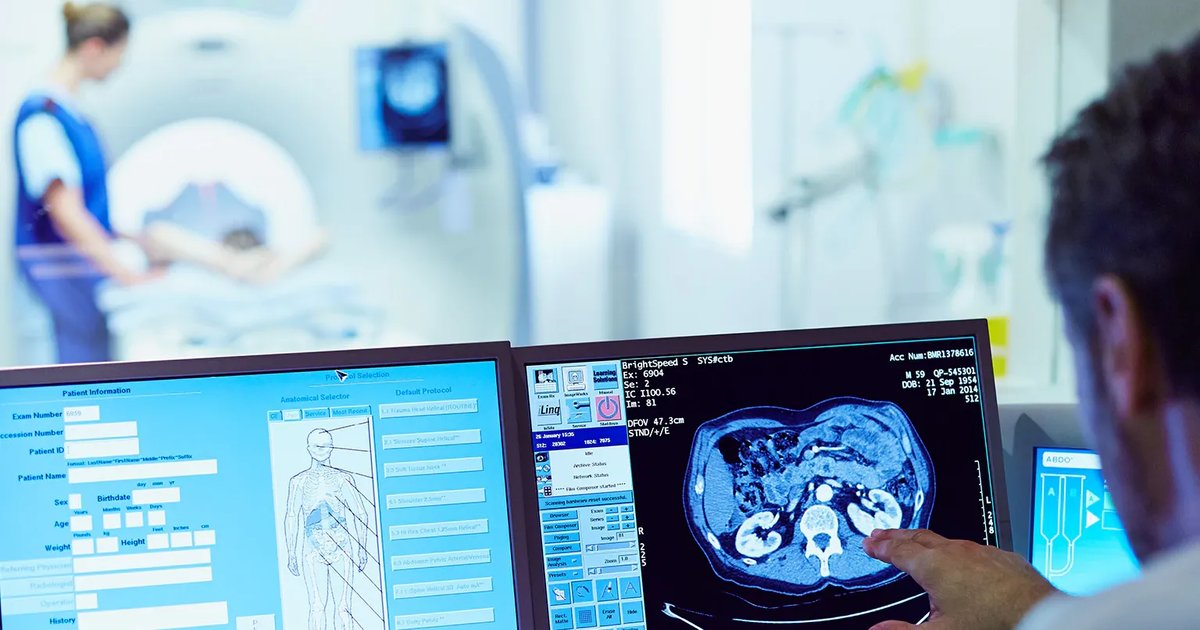
“HOPPR AI Foundry brings together secure infrastructure, curated datasets, fine-tuning tools, and advanced AI models to enable developers to build the next generation of imaging AI applications.”
The platform ensures compliance with international standards, including the Digital Imaging and Communications in Medicine (DICOM) standard for storing, transmitting, and printing medical images, and addresses critical regulatory requirements for healthcare organizations.
The platform’s Forward Deployed Services partnership model combines machine learning expertise with healthcare provider teams to facilitate the development of imaging applications tailored to specific clinical needs.
This collaborative approach helps bridge the gap between AI capabilities and real-world clinical implementation, ensuring that developed solutions can address real-world medical challenges.
The availability of these tools within a compliant infrastructure could reduce barriers to AI adoption in healthcare settings, where data security and regulatory compliance are often major challenges.
Healthcare organizations can develop and deploy advanced imaging AI applications without compromising the protection of patient data or violating healthcare regulations.
This integration expands the range of underlying models available to healthcare developers building AI applications for medical imaging.
A press release from NVIDIA suggests that the next generation of medical imaging AI will combine multimodal inference with the ability to generate high-fidelity clinical data, and that platforms like the HOPPR AI Foundry will enable developers to train and deploy medical imaging solutions with the performance and scale needed for medical innovation.
In their announcement, the HOPPR team suggested that medical imaging AI is entering a new era in which models can reason about images and generate new clinical data to accelerate application development.
The platform combines secure infrastructure, curated datasets, fine-tuning tools, and advanced AI models to enable developers to build imaging AI applications suitable for clinical environments.