The Naval Surface Warfare Center, District of Philadelphia, has begun testing artificial intelligence and machine learning models to determine whether signs of deterioration in submarine air compressors can be identified early, before failure occurs.

Don’t miss the Potomac Officers Club 2026 Digital Transformation Summit Tomorrow, April 22nd. Register now Hear high-level discussions about safe AI deployment.
NSWCPD engineers are evaluating an experimental model that analyzes vibration data from high-pressure air compressors that support critical functions on submarines, Naval Sea Systems Command announced Friday, noting that the goal is not only to detect failures, but to assess their progression and estimate the time to failure. However, calculating the remaining useful life of a component requires large datasets and further model development.
This project aligns with the U.S. Navy’s broader push to advance predictive maintenance through the Condition-Based Maintenance Plus initiative, which integrates traditional maintenance operations with AI-driven diagnostics and prognostics.
NSWCPD Technical Director Nigel Tice said: “Projects like this help us understand where AI adds value, where it is still falling short, and how we can align digital innovation with our core mission of delivering warfighting capabilities in both fleet acquisition and sustainment.”
How does NSWCPD train AI models to detect equipment failures?
To generate usable data, NSWCPD engineers built a controlled test environment and introduced obstacles such as air leaks, intake restrictions, and cooling issues. The team used a series of accelerometers to collect vibration signals and trained a model to distinguish between healthy and faulty conditions.
According to Colin Dingley, a machine learning engineer with NSWCPD, early tests show that the model can reduce thousands of vibration inputs to a small set of metrics that reliably identify common faults.
“Lab tests so far have shown real promise,” Dingley said, adding that next steps will focus on extending the model with more diverse datasets and testing its performance in operational conditions.
What other AI initiatives is NSWCPD pursuing?
The compressor project is part of a broader portfolio of AI and data-driven initiatives at NSWCPD. These include developing machine learning algorithms for power system health, digital twin models of shipboard systems, and remote monitoring capabilities for enterprises.
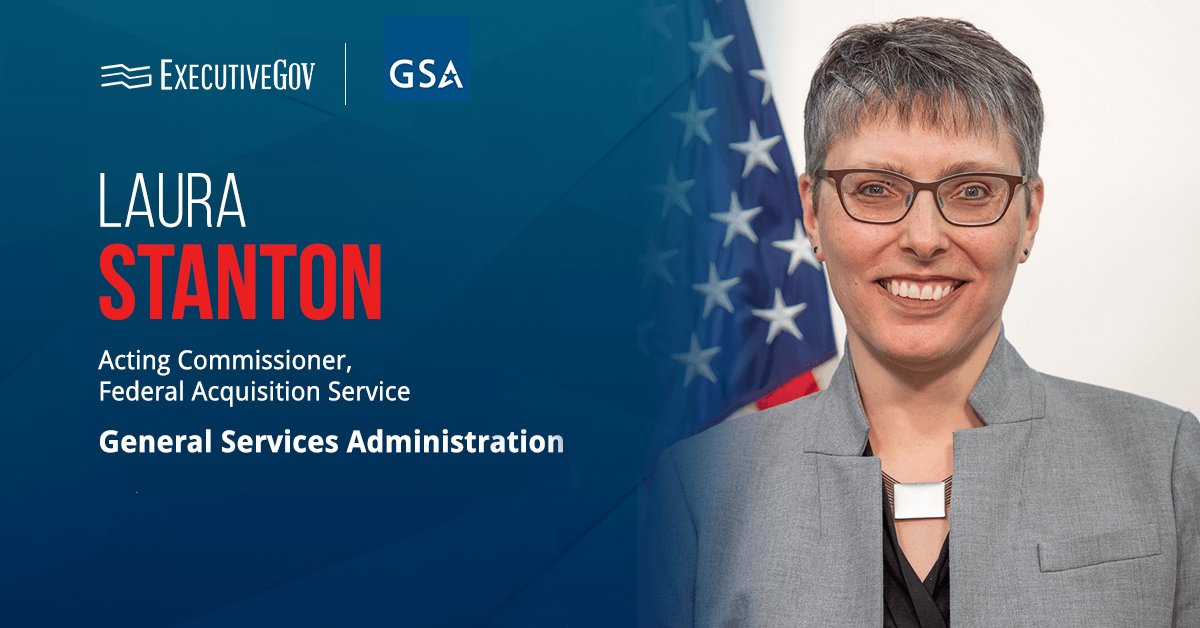
The Federal Services Administration has appointed Laura Stanton, deputy commissioner of the agency, as acting FAS administrator following the resignation of former Wash100 recipient Josh Gruenbaum, Federal News Network reported Friday. As FAS leadership changes, all eyes are on how the civilian agency will continue to advance its procurement priorities and modernization efforts. From AI adoption and cloud infrastructure to cybersecurity, workforce support, and enterprise-wide programs, these evolving priorities will be the focus of the 2026 FedCiv Summit. Reserve your seat now! In an email obtained by FNN, GSA Secretary Ed Forst said Stanton will serve in the role on an interim basis.
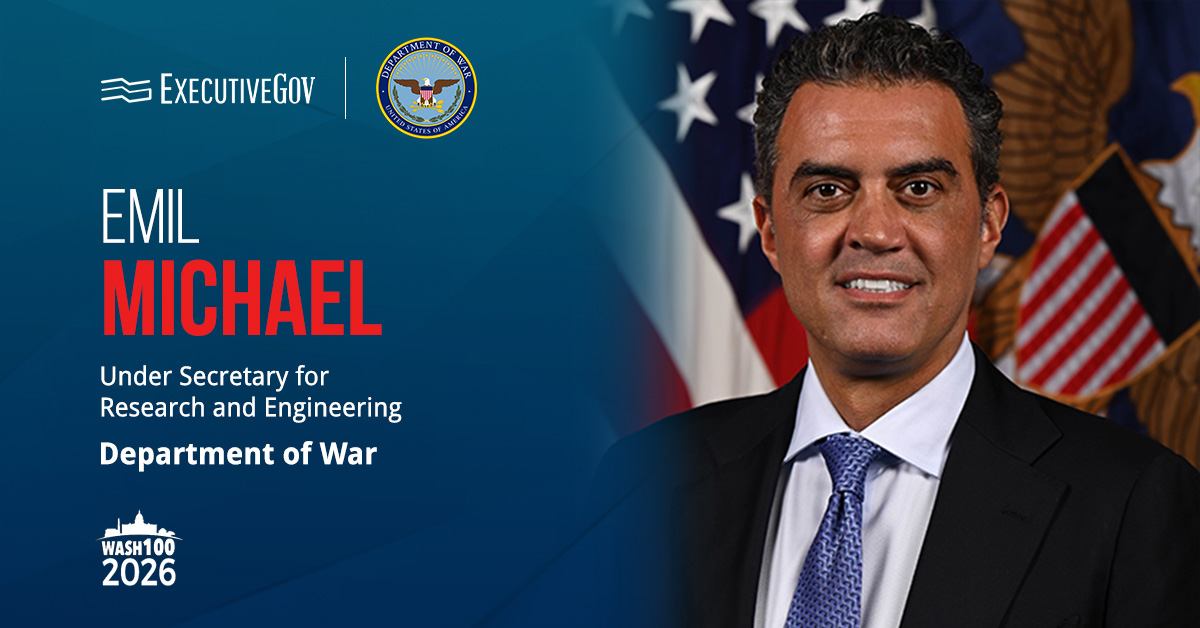
The Department of the Army is pursuing a redesigned Small Business Innovation Research and Small Business Technology Transfer Initiative following reauthorization of the program under the Small Business Innovation and Economic Security Act. DOW Chief Information Officer Kirsten Davis, a 2026 Wash100 honoree, will deliver the keynote address at the 2026 Digital Transformation Summit this Wednesday, April 22nd. Register now to hear Davis and other government leaders discuss emerging technologies and efforts to advance defense modernization. DOW said Monday that the effort is aimed at accelerating the delivery of advanced capabilities to warfighters while strengthening the defense innovation base.
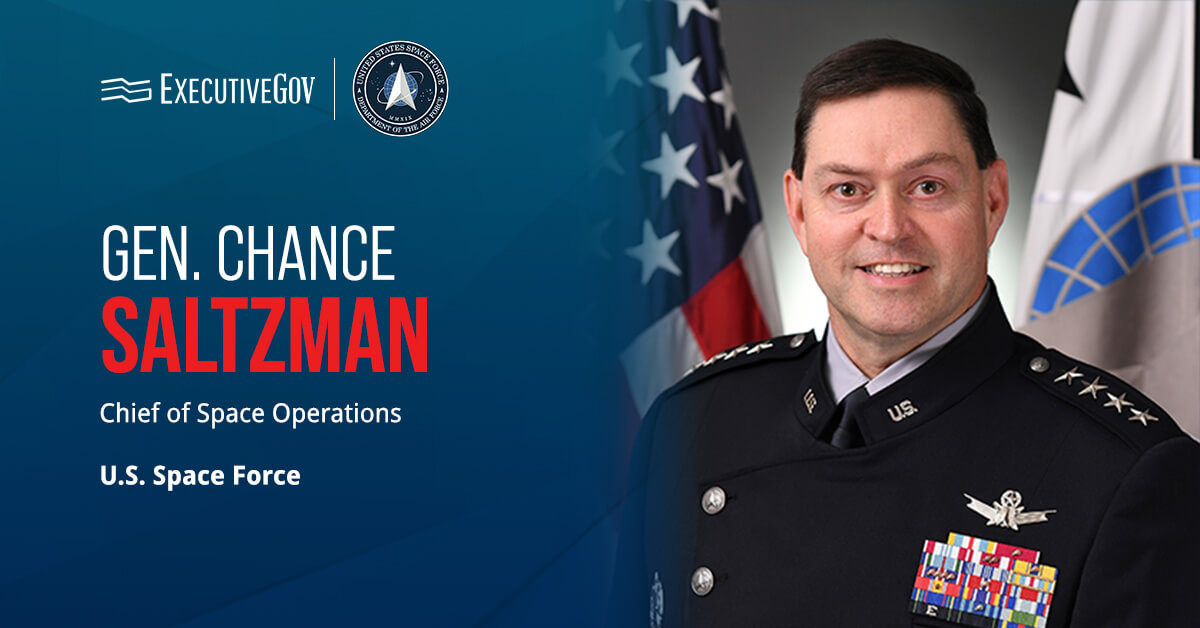
The U.S. Space Force plans to establish a Lunar Surface Coordination Office, an acquisition task force that will coordinate technology development and planning for operations on the moon, Breaking Defense reported Monday. The 2026 Aerospace Summit, hosted by the Potomac Officers Club, will be held on July 30th. The GovCon event will feature Air Force and Space Force leaders and industry executives to discuss advanced technologies and strategies shaping the future of aerospace operations. Reserve your spot now. What is the purpose of the Office of Cislunar Coordination?The new office will focus on organizing efforts across relevant government agencies